
TechBio
Future-ready biology

 Foreword
Big picture
Financing landscape
Driving innovation
The UK SME picture
Our impact
Join TechBio

 Foreword

Jane Wall
Managing Director, BIA
I am delighted to introduce our annual TechBio report, which not only charts the immense potential of the UK’s TechBio sector for economic growth but also grounds our current successes in robust, long-term data and a realism check of the ongoing challenges as it matures.
Between 2020 and 2024, our ecosystem firmly established itself as a global leader, attracting over £2.6 billion in total capital across venture and public markets. This success was anchored by £1.5 billion in VC financing and major public market activity from companies like Oxford Nanopore and BenevolentAI. This investment underpinned a high volume of innovative activity, with TechBio consistently accounting for over 40% of all UK biotech deals in some years. Landmark events, such as the £489.6 million acquisition of Exscientia, provided undeniable validation that UK science is creating world-class value.
The data also presents our key structural challenge: the scale-up gap. While our domestic ecosystem excels at the Seed and Series A stages, the limited number of Series B+ deals and the reliance on overseas capital for later-stage growth highlight the essential need to mobilise greater pools of domestic, late-stage funding. The journey from proof-of-concept to commercial endurance remains our defining challenge.
Whilst the incredible news of NVIDIA’s investment in the UK and Jenssen Huang’s promise that they “are doubling down to empower the UK to lead the next wave of AI innovation” are encouraging, we know at BIA that biology is challenging. The mutable nature of biological systems makes them challenging to model effectively and with additional regulatory and access protocols essential for patient safety and health economics, the barriers to progress for investors and funders can seem significant. Talk of ‘bubbles’ and ‘hype’ is inevitable, and AI is no magic bullet, however, there is little doubt that this technology will be the future of drug development, of biosolutions, of diagnosis, prevention and clinical implementation, and it will pay huge dividends to companies, investors and societies that embrace it.
This context makes the BIA’s strategic focus in 2025 more critical than ever and are responding directly to the need for scale and maturity:
- Our Data, AI and Genomics Advisory Committee (DAGAC) is focused on translating our scientific excellence into commercial scale by driving policy on UK data federation and access for SMEs, responsible AI regulation, compute power and genomics.
- The large, high-value funding rounds secured this year by companies like Isomorphic Labs, CHARM Therapeutics, and Relation Therapeutics are powerful indications that the market is responding to the need for larger, high-value funding rounds.
- Initiatives like the #BIGIMPACT campaign creating a talent pool and TechBio Boost focussed on scaling TechBio are directly addressing the talent needs and supporting maturation of business models.
- We are continuing to champion the sector, to promote the incredible science, companies and opportunity to key stakeholders and policymakers, and are proud that TechBio’s central role has been officially recognised and incorporated in the Industrial Strategy – Life Sciences Sector Plan, Digital and Technologies Plan and the 10-year Health Plan published this year.
Key for the UK as a whole is that we have an opportunity to advance productivity and growth through the technological advances in artificial intelligence, life sciences and robotics that we celebrate in TechBio – if we are able to grasp this opportunity for the UK, if the government is able to continue on what it has promised in the Sector Plans through consistent implementation, then the potential will be truly transformative for the UK and beyond. As such the BIA will continue to call for health data infrastructure as a national priority, capital at scale, attracting world-beating talent and an improved commercial environment for life science companies in the UK.
 The big picture for TechBio

Leigh Brody
Investment Manager, AlbionVC
In 2025, TechBio is shifting from experimentation to execution. What began as an approach of merging data science, computation, and biology, is now crystallising into a scalable model for discovery and development.
We’re still in the early innings with emerging foundational models for biology (such as Evo 2 and DeepSeq) with the ability to generalise across applications using the same underlying technology stack is becoming tangible. This evolution is redefining how companies are built; from single-asset biotechs to horizontal platforms capable of addressing multiple diseases or modalities from one foundation.
Investment activity this year reflects that transition. AstraZeneca’s $555 million AI-CRISPR collaboration with Algen Biotechnologies and Isomorphic Labs’ $600 million raise demonstrate how large players and investors are committing to data-driven, model-centric biology. The NATO Innovation Fund’s investment in Portal Biotech and Eli Lilly’s initiative, TuneLab, to open its AI discovery platform to smaller biotechs highlight a new phase of collaboration of capital, infrastructure, and compute are being shared to accelerate innovation.
The UK is well positioned to lead this next phase. The ecosystem combines world-class science, a growing base of TechBio founders fluent in both technology and drug development, and access to unparalleled data resources such as UK Biobank and the NHS. The challenge now is not proof of concept, but proof of scale: building the infrastructure, capital depth, and commercial muscle to turn these scientific and computational strengths into global impact. TechBio in 2025 is no longer a promise; it is an emerging industry learning to execute at scale.
 The UK TechBio financing landscape
TechBio consistently commands a meaningful share of UK venture capital (VC) activity and has attracted several landmark investments and exits. Between 2020 and 2024, funding activity was concentrated in a small number of platform companies, while early-stage deal flow and grant funding signalled the emergence of a diverse innovation pipeline.
Key features of this period included:
- Robust VC activity, with TechBio accounting for up to nearly half of biotech deal counts.
- High use of innovation grant funding, highlighting the importance of public funding for early-stage development.
- High-value, maturing exit activity, with a landmark £490 million acquisition of Exscientia in 2024, underscoring strategic interest in AI-enabled drug discovery.
The sector remains well-positioned for continued growth, supported by UK academic excellence, government engagement, and strengthening investor appetite.
Venture capital financing
From 2020–2024, TechBio companies raised £1.5 billion in VC financing, representing a fluctuating but significant share of overall UK biotech investment.
While TechBio has typically accounted for 10–30% of VC value, its deal share often exceeded 40%, particularly in 2022–2023. This indicates a concentration of smaller, early-stage deals alongside a few capital-intensive rounds for scale-up companies.
The largest financings were concentrated in Oxford Nanopore and Exscientia, both of which completed multiple rounds exceeding £90 million, illustrating the scale of investment needed to advance AI-driven platforms. Meanwhile, the participation of Healx, Relation, and Lifebit points to a gradual diversification of funding across the TechBio sector.
Top Seed, Series A and Series B+ Deals (2020–2024)
Seed financings included Relation’s £40.6 million round in 2024, alongside raises by veMico and Eleven Therapeutics, reflecting steady early-stage activity. Series A deals were consistently in the £25–40 million range, with CHARM Therapeutics, Nucleome Therapeutics, and Chemify among the largest. Series B+ rounds were led by Exscientia (£182.9 million) and Oxford Nanopore (£90.3 million), with additional significant financings for Healx, Lifebit, and LabGenius.
While Series B+ rounds attracted substantial capital, only five deals occurred between 2020–2024 compared with 74 seed and 25 Series A deals. This pattern, seen across biotech more broadly, underscores the difficulty companies face in scaling and maturing towards the public markets.
Investor landscape
The UK TechBio investor base is underpinned by strong domestic participation and complemented by growing international involvement, particularly from the US. Between 2020 and 2024, over 600 investor participations were recorded across funding rounds.
Meltwind Advisory leads with 13 investments, followed by a group of early-stage UK funds, underscoring the importance of repeat domestic backers in shaping the sector. However, with later-stage rounds increasingly reliant on overseas participation, attracting greater international funding remains critical to scaling UK TechBio companies beyond the domestic investor base. It is also interesting to compare this investor list with that of the broader biotech sector in BIA’s main finance reports. It is overall a very different set of names, with only Meltwind and OSE common between them. This shows TechBio is in general supported by a different group of investors, many of whom are more commonly associated with broader tech investment.
The UK TechBio investor base is anchored by domestic funds at the early stages, but the mix becomes increasingly international as companies mature. US investors accounted for more than one-third of Series A deals, while most Series B+ financings were led by overseas capital. This mirrors the broader UK biotech market, where non-UK investors represented 79% of Series B+ financings in 2024.
Public markets
Public markets contributed only a limited share of UK TechBio financing between 2020 and 2024. Compared with the biotech sector more broadly, IPOs and follow-on financings were relatively scarce, reflecting the smaller pool of mature TechBio companies and the early stage of development across much of the sector.
TechBio IPO activity was concentrated in 2021, with Oxford Nanopore’s £524.2 million listing on the London Stock Exchange and Exscientia’s £221.7 million listing on NASDAQ. Both attracted international investors, signalling strong global interest in UK innovation, but no further IPOs have followed, which reflects ongoing challenges in public markets for all sectors.
Follow-on financing
Several companies accessed public capital through follow-on raises, most notably BenevolentAI (£135 million, AEX, 2022) and Exscientia (£116.4 million, NASDAQ, 2021), alongside multiple raises by Oxford Nanopore (£80 million in 2024; £70 million in 2023) and Arcturis Data (£27.5 million in 2021). These transactions demonstrate that a handful of established platform companies have been able to maintain investor confidence post-listing and continue to secure follow-on support.
UK TechBio companies face structural challenges in accessing public equity, often relying instead on later-stage private capital or strategic M&A as preferred exit routes.
Mergers and acquisitions
M&A activity in UK TechBio between 2020 and 2024 was limited in volume but strategically significant, with four disclosed transactions illustrating growing interest in AI-driven life sciences and healthcare platforms.
The acquisition of Exscientia by Recursion Pharmaceuticals for £489.6 million in 2024 represents the largest TechBio exit to date and underlines international demand for UK-developed AI platforms. Earlier transactions included Exscientia’s £42.6 million acquisition of Allcyte in 2021, strengthening its oncology pipeline, and PrecisionLife’s acquisition of GenoKey in 2021, which expanded its data-driven discovery capabilities.
While the number of deals remains small, these transactions demonstrate both inbound strategic interest from overseas buyers and consolidation within the domestic ecosystem. Strategic M&A is likely to remain a central exit pathway for UK TechBio companies, complementing limited IPO activity.
Grant funding
Grant funding provided an important source of non-dilutive capital for UK TechBio companies, particularly at the proof-of-concept and platform development stages. Between 2020 and 2024, a total of £42.2 million was awarded across 96 grants, with year-on-year fluctuations reflecting both policy priorities and the cyclical nature of public funding programmes.
Funding peaked in 2023, with over £15 million awarded across 23 grants, before falling back to £5.9 million in 2024. This volatility highlights the sector’s dependence on shifting public funding cycles. Nonetheless, grants continue to play a critical role in sustaining early-stage research and innovation, providing companies with essential runway ahead of venture capital investment.
Sector trends and outlook
- TechBio’s growth is driven by the intersection of AI, big data, and biotech, focusing on new treatment modalities, diagnostics, and health technology infrastructures.
- The UK remains a global leader for TechBio investments and company formation, leveraging strong academic and corporate R&D capabilities.
- Funding is concentrated in a small number of platform companies with scalable AI-driven discovery and healthcare tools.
- Challenges remain in scaling business models, attracting domestic capital, and achieving sustainable exits, despite growing M&A activity.
- Government initiatives, strategic investors, and ecosystem support are critical for strengthening the pipeline and commercial success.
Conclusions
The UK TechBio sector has established itself as a dynamic component of the life sciences ecosystem, with strong domestic foundations at the seed stage, increasing international participation in growth rounds, and landmark exits through both M&A and IPOs. Between 2020 and 2024, venture and grant funding provided critical support for company formation and early platform development, while later-stage growth has relied heavily on overseas investors, particularly from the United States.
This reliance on international capital mirrors wider biotech trends and highlights a key challenge for the UK: while the early-stage ecosystem is well supported by local investors and institutions, there remains a funding gap at the scale-up stage. The limited number of Series B+ deals and the scarcity of IPOs since 2021 demonstrate the difficulty UK TechBio companies face in sustaining growth and progressing to public markets.
Ensuring the long-term success of UK TechBio will require not only continued support for early innovation but also stronger mechanisms to retain and grow companies domestically. This includes mobilising larger pools of late-stage capital within the UK, expanding partnerships with global strategic investors, and creating conditions that make public listings a more viable option. By bridging the scale-up gap and diversifying sources of growth financing, the UK can better translate its world-leading research base into globally competitive TechBio companies capable of reaching commercial scale and public market maturity.
Methodology
TechBio refers to an approach to life sciences that makes significant use of AI, machine learning or modern computational and modelling approaches to enable new insights, discoveries and applications for life sciences. This is adding to the power of traditional “non-TechBio” biotech companies, and the approach is becoming increasingly widespread and integrated. In this report, we have included companies that are at the vanguard of adopting this mindset as “TechBio companies”, and we expect this group to grow as others adopt these methodologies.
In this report, TechBio companies are defined as those actively adopting these computational and data-driven methods within their core operations.
Companies were identified through in-house research to ensure they align with the definition and scope of TechBio. In total, 128 companies were verified by the BIA as meeting this definition.
Detailed investment analysis was conducted in-house by the BIA for companies for which data was available from Beauhurst and Pitchbook. All figures are based on announced and verified funding deals that occurred between 2020 and 2024.
 UK companies driving innovation
The UK TechBio ecosystem saw an exceptionally strong start to 2025, with venture capital investment heavily concentrated on AI-first platforms designed to transform every stage of the drug development lifecycle. The data shows strong global investor confidence, particularly in London and Cambridge-based ventures, which secured the majority of the largest deals.
Landmark mega-rounds and growth capital
The first half of 2025 was dominated by two significant mega-rounds, demonstrating the capacity of the UK to produce global-scale AI-driven companies.

Isomorphic Labs: Securing Europe’s largest AI fundraise
Isomorphic Labs, the London-based Alphabet subsidiary, completed a landmark £448.94 million Series A funding round led by Thrive Capital, with participation from GV and Alphabet. This financing, which put the company’s pre-money valuation at over £941 million, is dedicated to accelerating frontier AI research and development and advancing its next-generation AI drug design engine. The size of this round confirms the UK’s position at the cutting edge of applying foundational AI models to molecular and biological challenges.

CHARM Therapeutics: $80 million (£59.38 million) Series B for clinical acceleration
London-based CHARM Therapeutics secured $80 million (£59.38 million) in Series B funding led by New Enterprise Associates and SR One Capital Management, with notable strategic participation from NVIDIA. The funds will be used to advance the company’s next-generation menin inhibitor into clinical development. CHARM’s platform leverages 3D deep learning to target traditionally ‘undruggable’ disease targets, representing a significant technical de-risking for investors.

Lindus Health: £44.57 million Series B for clinical trial optimisation
Lindus Health raised £44.57 million in Series B venture funding and debt, led by Balderton Capital. The London-based ‘anti-CRO’ company will use the capital to further develop its proprietary AI- and technology-enabled platform for clinical trial delivery. This investment highlights the growing trend of applying TechBio principles not just to drug discovery, but also to streamlining and de-risking the costly and inefficient clinical development phase.
Strong investment in discovery and platform innovation
Investment remained robust across the early-stage pipeline, focusing on companies building new AI models for programmable biology and precision diagnostics.
Latent Labs secured a $39.87 million (£32.25 million) Series A led by Radical Ventures and Sofinnova Partners. The funding is earmarked to advance the development of its generative AI models for programmable biology. These models capture the fundamentals of biology, allowing partners to create new antibodies and advance genetic engineering with unprecedented control over molecular biology.
In Cambridge, Ensocell raised £10.5 million in venture funding for its platform focusing on Single-Cell Genomics and AI. The company specialises in using AI-based computational tools to identify novel disease intervention points, particularly in autoimmune, inflammatory, and fibrotic diseases.
Addressing the clinical end of the spectrum, C the Signs raised $8 million (£6.48 million) in later-stage funding led by Khosla Ventures. The investment will be used to accelerate the expansion of its AI platform for cancer detection, which analyses clinical data to identify patients with cancer at a curable stage, fast-tracking them to appropriate referrals.
Key trends and sector breadth
The 2025 deals underline several critical areas of TechBio maturity:
- From molecule to trial: Capital is no longer confined to just early-stage target ID; it is now flowing into clinical-stage (CHARM) and clinical trial process optimisation (Lindus Health).
- The rise of the AI tooling provider: Companies like Latent Labs and DaltonTX (£4.10 million Seed) are building the next generation of generative and predictive AI tools, securing significant funds to reshape the economics of R&D.
- Precision medicine and diagnostics: Funding for companies like C the Signs and Signatur Biosciences (£5.26 million Seed for a precision diagnostics platform) demonstrates continued investor interest in using AI and technology to enhance diagnostic capability and patient stratification.
- Geographic concentration: As in prior years, the vast majority of high-value deals are concentrated in the ‘Golden Triangle’ of London and Cambridge, reinforcing these cities’ roles as the epicentres of UK TechBio innovation.
TechBio showcase
We take a closer look at five incredible companies driving innovation in the TechBio space.
Case study

What does the company do?
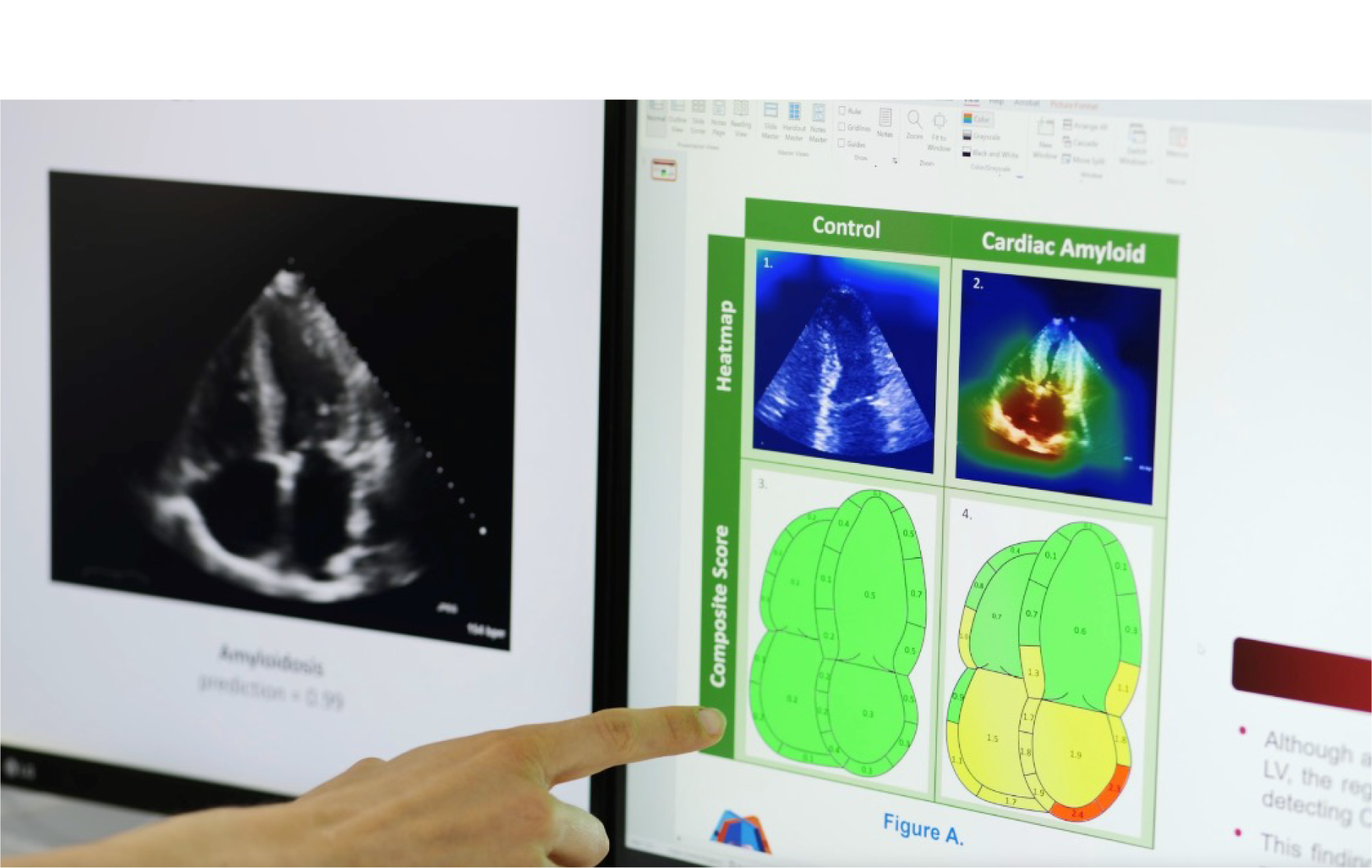
Ultromics, founded based on research at the University of Oxford, is a UK-based TechBio company transforming cardiovascular diagnosis through AI-powered solutions. Their cloud-based platform, EchoGo®, enhances echocardiographic analysis to help clinicians detect complex heart diseases earlier and more accurately using only a standard ultrasound scan. Developed in collaboration with the NHS and the Mayo Clinic, the company’s mission is to redefine how heart disease is diagnosed and treated globally. Ultromics is supported by leading investors and has secured adoption within major U.S. healthcare systems.

How does the technology work?
EchoGo® is built on years of clinical research, leveraging the analysis of hundreds of thousands of echocardiograms. It is the first FDA-cleared and Medicare-reimbursed AI solution specifically for detecting Heart Failure with Preserved Ejection Fraction (HFpEF) and cardiac amyloidosis. These conditions represent two of the most underdiagnosed forms of heart failure.
Traditional diagnostic methods rely heavily on subjective interpretation, often leading to significant rates of missed or delayed diagnoses:
- Up to 64% of HFpEF cases are reported to go undetected.
- Cardiac amyloidosis is frequently misclassified, potentially delaying essential treatment until symptoms are severe.
EchoGo® addresses these clinical limitations by using AI to extract hidden, objective disease signals from standard scans. It then generates real-time probability scores to support earlier, more confident clinical decisions and improve patient pathways.
How will it be used?
The EchoGo® platform is designed for seamless integration into existing clinical workflows, requiring no new hardware or disruption to hospital infrastructure. This cloud-based architecture ensures high scalability across health systems, hospitals, and smaller practices.
A significant commercial achievement is the platform’s full reimbursement under the U.S. Medicare programme, a crucial enabler for rapid and broad adoption across the U.S. healthcare system. Beyond clinical use, Ultromics is actively pursuing partnerships with pharmaceutical companies to support precision diagnostics within clinical trials, further expanding its global reach and therapeutic applications.
What are the opportunities and challenges?
Ultromics is exceptionally well-positioned to drive the early detection of heart failure and its various phenotypes. The primary challenge, however, remains the broader clinical acceptance of AI technologies. Adoption depends on continued education and the production of robust, real-world clinical evidence demonstrating superior value compared to established clinical practice. Ultromics is proactively mitigating this challenge by consistently generating clinical data and collaborating with key stakeholders to build clinical confidence and drive systemic change.
What is the future vision?
As the therapeutic landscape for heart failure expands, the accurate and timely identification of the right patients becomes critical. Ultromics envisions a future of personalised cardiac care, where diagnosis moves beyond generalised risk factors to embrace phenotypic precision. This innovation is redefining the future of cardiac care by enabling earlier, more effective interventions for patients who are often currently diagnosed too late.

Case study

What does the company do?
Genomics Ltd is a science-led global TechBio company founded in the UK. The company has spent the last decade building one of the world’s largest genotype-phenotype data resources alongside sophisticated proprietary analytical tools. Genomics Ltd operates in two core areas:
- Drug discovery and development: Accelerating the identification of novel treatments using an AI-enabled advanced genetic analytics platform.
- Population health: Enabling individuals to understand their personal risk of common chronic diseases through polygenic risk scores (PRS).
The company collaborates with leading life science and healthcare organisations, providing genetic insights to predict, prevent, treat, and cure diseases such as cancer, heart disease, and diabetes. The highly skilled multi-disciplinary team, which includes over 60 PhDs, leverages deep domain expertise in statistical genetics, computational biology, and data science to maintain a pioneering, technologically advanced approach. Genomics Ltd was recently named on the 2025 Sunday Times 100 Tech list.
How does the technology work?
Genomics Ltd’s technology is grounded in causal biology and enabled by secure cloud infrastructure, harmonised multi-omic datasets, and state-of-the-art proprietary analytics, powered by AI and machine learning (ML).
The core of the technology for drug discovery is the Mystra platform. Mystra reduces the time required for complex genetic research from months to minutes, significantly enhancing the efficiency of internal R&D. The platform maximises statistical power through continuous expert data engineering and meta-analyses. Users can perform advanced analytics such as:
- Advanced filtering: Rapidly filter the Dataset Explorer by phenotype, ancestry, or gene.
- On-the-fly analysis: Conduct downstream analyses including pairwise colocalisation, conditional analysis, and Mendelian randomisation.
- API access: Mystra offers programmatic access, allowing proprietary AI tools to connect directly to the underlying association data.
In the healthcare space, Genomics Ltd is a world leader in genetic risk analysis. Their polygenic risk scores (PRS) are highly validated and are a critical component of their Health Insights product, the first ever UKCA-marked and MHRA-registered test combining PRS with clinical risk factors. PRS analyses millions of genetic variants to estimate an individual’s personalised risk for common diseases (e.g., breast/prostate cancer, CVD, T2 diabetes). The company is the exclusive provider of genetic results for the flagship research programme Our Future Health.
How will it be used?
The platform’s applications are dual:
- Life sciences: The company holds significant collaborations in drug target discovery and development with major pharmaceutical companies, including Vertex and GSK. Drug targets validated using the Genomics Ltd platform are already advancing through pharmaceutical R&D pipelines.
- Healthcare: The Health Insights test is available in the UK and US through leading providers such as Bupa and will soon be available via Spire Healthcare. PRS is also used in pharmaceutical collaborations; for example, a partnership with Novo Nordisk focuses on creating obesity prevention tools and treatments.
Genomics Ltd has successfully implemented PRS in preventative screening for cardiovascular diseases within the NHS, as part of a clinical trial conducted in 2021, providing valuable experience ahead of the UK Government’s plans to implement a Genomic Population Health Management Service.
What are the opportunities and challenges?
The launch of the Mystra platform in 2025 presents a major commercial opportunity to provide statistical geneticists with the tools and infrastructure needed to fast-track research. Genetic insights that previously took years can now be generated in minutes. Data shows targets with human genetic support are more than twice as likely to succeed in clinical trials, positioning the platform as a key risk-reduction tool for pharma R&D.
The company also sees a significant opportunity in contributing to the NHS 10-Year Plan through preventative healthcare. Given that common chronic diseases consume 70–80% of NHS budgets, using genomic insights for early intervention can provide substantial benefits to patient health, the healthcare system, and wider economic productivity.
The primary barrier to broader adoption is market awareness. Once life sciences customers understand the platform’s value to their in-house human genetics teams, or once healthcare providers grasp the potential of genomics to drive preventative healthcare, the conversation rapidly shifts from awareness to implementation.
What is the future vision?
In life sciences, the company’s vision is to make human genetic evidence-based target selection and patient stratification the gold-standard default for drug discovery. By turning human genetics into a high-speed, integrated capability, the goal is to eliminate data bottlenecks and reduce costly late-stage failures for R&D organisations, ultimately leading to faster access to safer, more effective therapies for patients.
In healthcare, the belief is that genomics will be the key to personalised healthcare of the future. Broad adoption of PRS for common chronic diseases would enable millions of people to take proactive action, significantly improving longevity and quality of life.
Case study

What does the company do?
Recursion is a clinical-stage TechBio company founded in 2013 with a core mission to decode biology to radically improve lives. The company aims to bring safe and effective new medicines to patients faster and at a lower cost, primarily targeting areas of high unmet need, such as rare diseases and aggressive cancers. Recursion achieves this efficiency by integrating technological innovation across biology, chemistry, automation, data science, and engineering.
The company is recognised as a global leader in the integrated AI drug discovery space, notably having expanded its global footprint through the £489.6 million acquisition of UK-based Exscientia in 2024, as referenced in this report’s financing analysis.
How does the technology work?
Recursion’s technology is centred around the Recursion OS (Operating System), a comprehensive, full-stack platform combining large-scale automated wet-lab experimentation with advanced machine learning models. The platform’s efficacy is driven by three critical components:
- Massive, fit-for-purpose data: Recursion systematically generates and aggregates one of the industry’s largest biological and chemical datasets (over 65 petabytes). This structured data is purpose-built to capture high-dimensional biological relationships essential for training foundation models and synthesising complex biological insights.
- Powerful compute: The supercomputer, BioHive-2 (developed with NVIDIA), is one of the most powerful wholly owned and operated in the biopharma industry. This resource enables the rapid training of specialised machine learning models and iteration on the company’s “World Model,” driving a virtuous cycle between computational prediction and automated lab validation.
- Expert talent: The team is distinguished by its “bilingual” talent—technologists and life scientists who operate on equal footing to maximise impact at the intersection of biology, chemistry, and computation.

How will it be used?
Recursion’s integrated approach is designed to radically reduce the failure rate and associated high costs of traditional drug discovery. The Recursion OS platform has yielded a rapidly advancing portfolio of potential medicines, both internally and through partnerships with leading pharmaceutical companies. The company has demonstrated that it can advance potential new medicines to the clinic at half the cost and three times the speed of industry averages.
The system addresses multiple areas of drug discovery that are major drivers of failure:
- Biology: Identifying completely novel disease targets and therapeutic pathways. For example, the platform enabled the program REC-1245 (a small molecule drug for solid tumours) to progress from target discovery to IND-enabling studies in just 18 months, finding an effective target (RBM39) with reduced toxicity compared to the well-known target CDK12.
- Chemistry: Using Generative AI for precision molecule design to minimise toxicities. For instance, REC-617 was designed to inhibit the cancer target CDK7 with optimal properties (faster absorption, shorter half-life) to minimise common gastrointestinal side effects. This process required the synthesis of only 136 novel compounds, significantly accelerating development.
- Clinical trials: Leveraging AI to simulate trials and predict patient response, thereby ensuring precision medicine and optimising outcomes.

What are the the opportunities and challenges?
The primary opportunity for Recursion lies in fundamentally changing the drug discovery failure rate, where 90% of potential medicines currently fail in clinical trials. The company asserts that reducing this failure rate to even 80% would be twice as good as the current industry average, unlocking enormous value for patients and the industry. The holistic, unbiased, data-driven approach is key to achieving this shift.
A critical challenge is the increasing global demand for “bilingual” talent—individuals fluent in both the languages of life sciences and technology. This unique skillset is essential for bridging disciplinary gaps and driving innovation at the intersection of biology and computation, necessitating continuous investment in training and talent development.
What is the future vision?
Recursion foresees a profound shift in drug discovery enabled by the Virtual Cell—an AI-driven “World Model” that serves as a complex, predictive simulation of human biology and chemistry.
This vision redefines the role of the wet lab, which shifts from being the primary engine of discovery to a powerful validation tool. High-probability hypotheses are generated by the AI models (the Virtual Cell), and the laboratory’s main purpose is to rapidly confirm these predictions. This entire system, composed of core functions to Predict, Explain, and Discover, effectively inverts the traditional R&D funnel, significantly accelerating discovery and increasing overall R&D efficiency.

Case study

What does the company do?
SynLaia Innovations is a discovery-stage biotech start-up™ that pioneers tissue-scale drug discovery. The company aims to develop therapeutic solutions that address the full biological complexity of human tissues. While traditional approaches rely heavily on single-cell data, they often fail to account for the critical role of tissue mechanics in disease progression, particularly in hard-to-treat conditions like solid tumours and fibrosis.
SynLaia is building the MechanoMaps™ platform, which connects cell and tissue mechanics with the molecular drivers of disease. By integrating spatial transcriptomics and proteomics with mechanical insights, the platform identifies tissue-specific biomarkers and therapeutic targets. The company’s goal is to modulate cell and tissue mechanical states to enhance treatment efficacy and overcome resistance.
How does the technology work?
SynLaia’s platform combines two core modules: discovery and validation.
- The discovery module uses an AI/ML-enabled computational pipeline to analyse tissue biopsies. This pipeline infers the mechanical state of tissues at the cellular level and links this to localised molecular profiles. This strategy allows the company to identify novel disease drivers often missed by conventional single-cell methods. These insights are integrated with multimodal patient data to correlate mechanical signatures with disease progression and treatment outcomes.
- The validation module includes mechanically tuned bioengineered tissue models, which replicate disease-relevant mechanical environments, and in silico tissue simulations. These modules together enable the discovery and validation of tissue-specific biomarkers and therapeutic targets.
How will it be used?
The platform is initially being applied to solid cancers, beginning with pancreatic ductal adenocarcinoma (PDAC), a disease with very low response rates to current therapies. The immediate goal is to build a PDAC MechanoMap™ to improve patient stratification and identify new therapeutic strategies by targeting tissue mechanics.
By uncovering how mechanical states influence treatment response, the platform aims to enhance the efficacy of existing therapies and develop novel mechanics-specific interventions. This approach has the potential to unlock tumour-agnostic applications across oncology. The platform is tissue-agnostic, with plans to expand into other indications such as fibrosis and inflammatory diseases through future proof-of-concept collaborations. The company is actively engaging with clinicians and biobanks for sample access and exploring partnerships with therapeutic developers for validation and translation.
What are the opportunities and challenges?
SynLaia’s major opportunity lies in bringing tissue-specific insights to drug discovery, overcoming a key limitation of single-cell approaches. Diseases like solid tumours are often driven by alterations in tissue mechanics. The MechanoMap™ platform directly addresses this by enabling the discovery of biomarkers and therapeutic targets through the integration of spatial and mechanical data at a cellular level. This opens the door to improved patient stratification for existing therapies and mechanics-informed therapeutic development.
Key challenges include:
- The complexity of access to patient samples, which requires strong clinical partnerships and ethical approvals.
- The high costs associated with generating spatial multi-omics data and building bioengineered tissue models.
- The significant infrastructure and funding needed to scale both the computational and experimental components of the platform.
The company is mitigating these challenges through strategic partnerships and actively pursuing funding to support data generation and platform development.
What is the future vision?
The company anticipates a major shift in drug discovery toward tissue-specific, spatially resolved, and mechanics-informed approaches. Traditional single-cell methods are becoming insufficient for capturing disease complexity. Future trends include the integration of mechanomics with spatial multi-omics to uncover tissue-scale biomarkers and the use of AI-driven platforms for tissue-specific predictive modelling.
With the evolution in the regulatory landscape, such as the FDA’s recent plan to reduce mandatory animal testing in favour of advanced in vitro models and in silico approaches, SynLaia’s platform is poised to play a central role in preclinical validation. The emergence of foundational AI models that simulate cellular behaviour will further necessitate the incorporation of cell-cell interactions and tissue mechanics, a space where SynLaia’s platform can provide critical data and insights.
Case study

What does the company do?
Relation is a pioneering UK TechBio company developing transformational medicines by combining high-resolution biological insights from patient samples with machine learning in a tightly integrated, end-to-end platform.
Relation is a platform biotechnology company dedicated to curing complex diseases such as fibrosis, osteoarthritis, and neurodegeneration. It was founded on the principle that to effectively tackle disease, one must understand the complex causal relationships within human biology. The company focuses on developing novel therapeutic programs powered by its unique technology platform, simultaneously building an in-house pipeline and powering collaborations with global pharmaceutical partners.
How does the technology work?
Relation leverages a proprietary Lab-in-the-Loop model that creates a continuous feedback cycle between high-performance computation and wet-lab experimentation.
- Data generation: High-resolution biological measurements, including single-cell transcriptomics, functional genomics, and tissue profiling from patient samples, are generated.
- Computational insight: This multimodal data feeds into proprietary machine-learning models (including foundation models) that uncover deep, causal relationships between genes, cells, and disease phenotypes.
- Experimental validation: Computational hypotheses are rapidly validated in the lab, minimising risk. The resulting experimental data then loops back to refine and improve the AI models, creating a virtuous cycle that drastically accelerates the identification of new, druggable targets.
How will it be used?
Relation’s platform is being used to de-risk and accelerate the discovery phase of drug development. Its primary use cases include:
- Internal pipeline: Generating a pipeline of novel therapeutic programs aimed at complex, unmet needs like fibrosis and neurodegeneration.
- Strategic partnerships: Powering industrial-scale drug discovery collaborations with large pharmaceutical partners (such as the two recent partnerships with GSK), where its platform is deployed to generate and analyse functional disease data from patient tissue to pinpoint validated therapeutic targets.
What are the opportunities and challenges?
As a UK-based TechBio leader, Relation is part of a vibrant ecosystem but faces the shared challenge of the sector’s maturity phase: scaling interdisciplinary science. The biggest opportunity lies in its access to world-class talent in biology, computation, and engineering. The challenge is the relentless focus required to successfully integrate large, multimodal datasets while consistently ensuring translational rigour and direct patient relevance in its discoveries.
What is the future vision?
Relation is committed to pushing the boundaries of what is possible in data-driven medicine. By continuously investing in advanced AI architectures, such as foundation models for DNA and single-cell data, the company aims to unlock a new generation of therapeutics. Its future vision is to establish the Lab-in-the-Loop model as the industry standard, creating a biology-first, technology-enabled approach that fundamentally transforms drug development and improves outcomes for millions of patients worldwide.
 Access to data – the UK SME picture
Last year, the BIA highlighted that access to health data was a defining issue for SMEs, noting increased interest in using Electronic Health Records (EHRs), imaging data, and especially AI/Machine Learning across R&D. Our members also expressed a clear desire for simplified access to NHS data via a ‘one central UK custodian’ model.
In 2025, policy and regulation have directly responded to these needs, marking a significant step forward in building a supportive infrastructure for TechBio SMEs.
Building on foundations: The Health Data Research Service
In April the Prime Minister announced the establishment of a Health Data Research Service (HDRS). Backed by up to £600 million in co-investment between Government and the Wellcome trust, this service should streamline the process of applying for and accessing UK health data. Implemented correctly, such a service could revolutionise the UK data ecosystem. This announcement directly responded to our call for a single UK access point, and we’re glad to have contributed to this step change. We are already feeding into the development of the service and look forward to welcoming the new CEO when they start.
The HDRS will build on the network of regional Secure Data Environments (SDEs)—the government’s preferred model for secure data access. This progress directly addresses the industry’s need for a trusted, governed, and consistent way to access the NHS’s rich data assets.
In February 2025, the BIA, alongside the ABPI and ABHI, published a joint report, Unlocking NHS data for research, which was based on extensive industry consultation. This report provided a clear roadmap for NHS England, emphasising that the new SDE network must be user-centric and designed to meet the research needs of companies of all sizes. The report will be fundamental to the role out of HDRS.
Regulatory breakthroughs to support AI innovation
The demand for using AI and Machine Learning (ML) in drug discovery was the biggest trend identified in our 2024 survey, and 2025 has seen government action to ensure regulatory frameworks keep pace.
- The Data (Use and Access) Act 2025 (DUAA): This new legislation, which received Royal Assent in June 2025, provides a necessary update to the UK’s data regime. Crucially for research, the DUAA:
- Clarifies research definition: Explicitly confirms that “scientific research” includes commercial research, provided it is conducted with appropriate safeguards. This removes previous ambiguity that could deter industry participation.
- Improves interoperability: Grants the government new powers to enforce national information standards, compelling IT system suppliers (like Electronic Patient Record providers) to ensure different NHS systems can work together. This is a game-changer for TechBio companies relying on integrated, real-time data access.
- Regulatory Innovation Office (RIO) Action: The newly launched RIO has prioritised AI and digital in healthcare. Building on this mandate, the MHRA (Medicines and Healthcare products Regulatory Agency), supported by RIO, has expanded its pioneering AI Airlock programme. This regulatory ‘sandbox’ allows companies, particularly those developing complex AI-as-a-Medical-Device (AIaMD) products, to test their technology safely and work directly with regulators to navigate approval challenges. This kind of agile regulatory approach is vital for the UK’s burgeoning AI-driven SME sector.
BIA’s continued focus
The BIA remains committed to advocating for better data access for life science SMEs. We continue to work closely with the UK Cohorts, NHS England and government departments to ensure they deliver on their potential for industry. Our dedicated committee, launched last year, is actively engaged in policy development, ensuring that the necessary commercial and technical consistency is achieved across the UK’s data infrastructure.
 BIA and TechBio
BIA impact: Championing TechBio innovation in the UK
The BIA’s commitment to fostering a thriving TechBio ecosystem has translated into concrete policy action throughout 2025. The Data, AI and Genomics Advisory Committee (DAGAC), which launched in September 2024, has been pivotal in shaping the UK’s approach to the rapidly evolving landscape of data-driven life sciences.
By convening leading figures from academia, industry, and government, the committee has effectively amplified the voice of cutting-edge technologies and ensured the policy environment remains pro-innovation.
Key 2025 progress and focus areas:
- Data access: DAGAC has actively engaged with government and other stakeholders to improve data access policies, advocating for better access to high-quality health data—a vital resource for AI-powered drug discovery and personalised medicine. Our joint report Unlocking NHS data for research, led to the establishment of a new user group for the NHSE regional SDE network. We have also worked with the UK cohorts to help them understand the importance of engaging with UK SMEs. This is in addition to inputting into the development of Government’s new £600 million initiative to launch the Health Data Research Service (HDRS)
- Artificial intelligence: The committee continues to monitor the responsible regulation of AI, ensuring that a proportionate framework is developed that fosters, rather than stifles, innovation in the life sciences.
- Multi-omics and precision medicine: Building on the UK’s leadership in genomics, the committee has championed the advancement of multi-omics and precision medicine. In June we published a functional genomics explainer Functional genomics explainer: A strategic opportunity for the UK, which highlights the strategic opportunity the UK has in investing in this area.
This work builds upon the BIA’s ongoing efforts to:
- Showcase the transformative potential of genomics within healthcare.
- Advocate for improved data access policies that empower TechBio companies.
- Showcase the importance and variety of use of AI in life sciences.
The Data, AI and Genomics Advisory Committee continues its programme of work to shape the regulatory and business environment for TechBio. We look forward to reporting on the tangible policy outcomes driven by the committee in the year ahead. To find out more about this work and connect with others in the field, join the BIA TechBio community.
Closing the skills gap: #BIGIMPACT campaign update
The BIA’s TechBio community continues to experience a surging demand for professionals with expertise in Artificial Intelligence/Machine Learning (AI/ML) and data analytics. To address this critical need and sustain the sector’s growth, the #BIGIMPACT campaign has significantly expanded its reach and impact in 2025, successfully attracting next-generation digital talent to the biotech industry.
BIGIMPACT’s ongoing impact
- Inspiring new careers: The campaign website, www.bigimpact.org.uk, remains a valuable resource, providing comprehensive information on diverse career paths such as AI engineers, bioinformaticians, and data analysts.
- Engaging a wider audience: By leveraging a strong presence on social media channels like Instagram and TikTok, the campaign is successfully reaching younger and digitally-minded audiences who may not have previously considered applying their skills to the biotech sector. This outreach is essential to attract the necessary computational talent.
- Digital industrial placements: Building on the 2024 pilot programme, the BIA has continued to facilitate Digital Industrial Placements, offering students in data science, computer science, informatics, and mathematics the opportunity to gain essential work experience at biotech companies. This initiative is a vital mechanism for bringing cutting-edge digital skills into life sciences discovery and innovation.
TechBio Boost: A catalyst for growth
The TechBio Boost programme, a collaborative initiative between the BIA and KQ Labs, has continued to be a critical resource for scaling TechBio companies in London.
- 2025 cohort: The programme launched its new TechBio Boost 2025 cohort, continuing to provide Seed and pre-Series A companies with tailored mentoring, networking, and practical business skills development, focusing on scaling finance and building effective leadership teams.
- Demonstrated success: The value of the programme is evidenced by the success of the 2024 cohort. For example, participant SökerData has, since completing the programme, refined its business model, adopted a more strategic approach to market entry, and successfully built new partnerships while securing funding to accelerate R&D and commercialisation.
Looking ahead
The BIA is committed to the continued success of the #BIGIMPACT campaign, as part of our mission to drive innovation and be a catalyst for the industry’s growth. Through continued outreach and engagement efforts, we aim to bridge the talent gap within the TechBio sector and empower individuals to leverage their skills to contribute to breakthrough innovations in healthcare.
Join the #BIGIMPACT Campaign
Whether you represent a university, the media, or the biotech industry, discover how your organisation can contribute to shaping the future of biotech innovation. Explore our media pack for assets to share across your network. By working together, we can inspire, educate, and create opportunities for the next generation of digital talent in the biotech sector.
The future of TechBio
Over the summer, the BIA took the opportunity to pause and reflect on how far the UK TechBio community has come, and where it is heading next. We spoke with members and thought leaders across the ecosystem, from early-stage founders and pharma partners to investors and scale-ups, to test whether our understanding of the sector still reflects its direction of travel.
What we heard is that TechBio is entering a new phase. The early excitement that surrounded AI-led discovery and data-driven science in 2020–2022 has evolved into something more grounded. The sector is maturing. Today’s conversations are less about the promise of technology itself, and more about the realities of proving value, finding customers, and building sustainable companies.
Across every discussion, the question of business models stood out as the defining challenge for the years ahead. Stakeholders agreed that the UK remains rich in innovation, but the route from proof-of-concept to commercial success is still uncertain. Platform companies struggle to demonstrate value quickly, investors continue to debate how to price hybrid tech-biotech businesses, and founders often find that traditional funding models don’t fit the realities of long development cycles or slow sales processes. The sector’s future success will depend as much on commercial creativity as on scientific breakthroughs.
Despite these challenges, there was optimism about the UK’s position. London and the wider ecosystem continue to offer a unique blend of talent, data, scientific excellence and finance. Costs are lower than in the U.S., the community is more connected, and the UK’s reputation for science-based innovation remains strong. The opportunity now lies in translating that scientific strength into scale, ensuring that growth-stage companies can find the capital, partnerships and regulatory flexibility they need to thrive.
Participants also urged a broader understanding of TechBio itself. What began as a term largely associated with AI-enabled drug discovery now encompasses a wider range of activity: from diagnostics and lab automation to personalised medicine and health data infrastructure. This evolution reflects the increasing integration of technology with biology and the growing recognition that these tools touch every stage of life sciences innovation.
The publication of the Government’s Life Sciences Sector Plan (LSSP) in July 2025, setting an ambition to make the UK the leading life sciences economy in Europe by 2030, in combination with Government’s ambition on with AI, backed by recent investment in AI infrastructure lays the groundwork for this direction.
For BIA, this review has reaffirmed that we are on the right track, but it has also highlighted where we can go further. We will continue to act as a neutral convenor, connecting companies, investors and customers, and championing the UK’s strengths internationally. But we also recognise the need to speak louder and with greater clarity about what TechBio means today. In the year ahead, BIA will expand its thought leadership, produce richer content, and showcase examples of sustainable business models that demonstrate the UK’s global potential.
TechBio in the UK has grown from promise to presence. The next chapter will be about endurance, building the businesses, partnerships and confidence that turn scientific excellence into lasting impact.
 Join the BIA TechBio network
BIA’s TechBio UK and TechBioX events bring the community together — from start-ups and investors to established TechBio companies, big pharma, policymakers, and relevant supporting organisations.
If you’re a TechBio company looking for your tribe, or a biotech, pharma or investor looking to tap into the potential, come along to our events, join the BIA TechBio community, join the BIA TechBio LinkedIn Group, and get in touch about becoming a member.
 Previous reports
TechBio 2024: UK leads innovation frontier
 The TechBio 2024 report from the BIA revealed the UK as a global leader in TechBio, drawing substantial investment and nurturing a vibrant ecosystem of talent and businesses. The report documented a growing prevalence of generative AI for designing new drugs and the use of multimodal models that combine different data sources for personalised medicine, highlighting the transformative impact of AI on life sciences. While the report maintained an optimistic tone about the potential for rapid progress, it also focused on crucial policy challenges, including the need for a well-trained workforce and equitable access to high-quality data. The BIA stands resolute in its mission to uplift the TechBio community, advocating for policies that ignite innovation and fuel growth to ensure the sector thrives in the pursuit of groundbreaking advancements in healthcare.
Uncover the latest trends, essential policy challenges, and the transformative impact of UK-based TechBio companies. Read the TechBio 2024 report.
TechBio 2023: UK driving the AI revolution
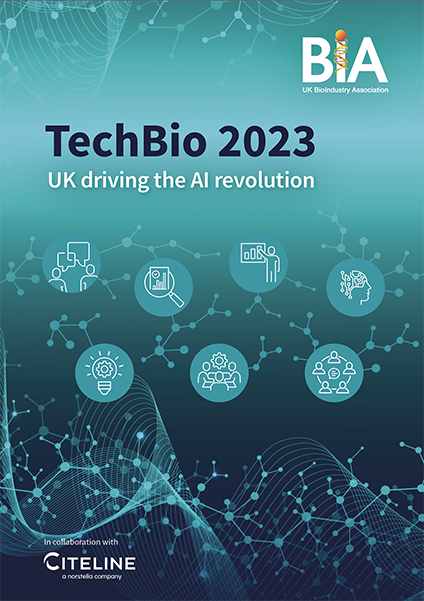 The TechBio report offers key insights into how the UK is leading the charge in integrating AI and biotechnology to revolutionise healthcare, drug discovery, and life sciences innovation. This report provides a deep dive into the current trends, opportunities, and challenges facing the TechBio sector, highlighting groundbreaking companies, like Brainomix, CardiaTec, and Serna Bio; emerging technologies, and the UK’s unique ecosystem fostering this growth.
The report also details the BIA’s efforts to address critical challenges such as access to health data for SMEs, nurturing digital talent, securing sustainable investment for scaling companies, and advocating for proportionate regulatory frameworks.
Explore the latest advancements in data sharing, inspiring case studies, and the future of TechBio. Read the TechBio 2023 report.
TechBio 2.0: Unlocking Data, Transforming Biology
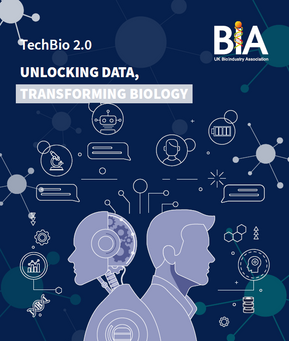 Showcasing the next generation of data-driven life science companies that use cutting-edge technologies to transform drug discovery and patient care.
TechBio companies combine cutting-edge techniques from both sectors to draw insights from a wealth of data, including data concerning patients, drug molecules, healthcare infrastructure and research and development. This data is not only being used to inform and transform drug discovery and patient care but, also addressing challenges faced by industry and agriculture, such as creating cleaner and greener chemicals and materials.
Read the TechBio 2.0 report for developments in data sharing, inspiring case studies and the future of techbio!
TechBio: How data-driven life sciences companies are transforming drug discovery and patient care
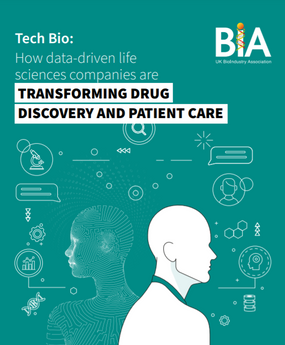 This explainer booklet gives an introduction to the exciting BIA member companies that are working at the interface of biotechnology and technology, and shows how they are already making an impact on drug discovery and patient care. Data-driven life sciences technology or tech bio is an area where the BIA is rapidly building its expertise and we will be working hard to bring together all elements of the biotechnology landscape to ensure that these companies have the right policy framework and the investment that they need to grow and succeed.
Please download the full TechBio report for case studies of incredible companies working at the interface of biotechnology and technology.