
TechBio
UK leads innovation frontier




 Forewords

Steve Bates OBE
CEO, BIA
I’m often asked what TechBio is, and I struggle to offer an easy definition. As this report demonstrates, it is not limited to one technology or business model. In 2024 I see TechBio as a state of mind – an approach emerging in companies large and small at the interface of data, AI, life science and innovation. And what’s clear is that the UK has unique assets and capabilities to grow world-leading companies in this extremely rich opportunity space.
This report highlights some of the key companies, deals and approaches we are seeing across the community that we are proud to represent.
It’s great that global players, like Eli Lilly, are attracted to and are investing in UK life science. Their acquisition of Aparito this year is in itself an interesting story of a UK TechBio scale-up. Established in 2014 as part of the Bethnal Green Ventures Accelerator, the now Wrexham-based business set up by female founder Dr Elin Haf Davies was part-funded by the Development Bank of Wales and received an initial return of 2.9 times on their £1.2 million equity investment on exit this year. I may be biased but I think providing quality jobs in north Wales through accelerating global drug development by digitising decentralised clinical trials is more important than getting a football club into League One with Hollywood backers.
This year, we’ve witnessed remarkable progress in TechBio, highlighted by the emergence of innovative companies like Isomorphic Labs and OutSee, demonstrating the UK’s strength in AI-driven drug discovery and genomics analysis. Landmark partnerships, such as AstraZeneca’s collaboration with Immunai to enhance cancer drug trials, further showcase the sector’s potential.
I’m glad to see that being organised as a community is starting to produce benefits to companies, not just with visibility and investment but also as a strong voice in the UK ecosystem.
A significant development this year has been the decision by the Secretary of State for Health, Wes Streeting, to direct NHSE to share GP data with UK’s nationally consented cohorts. This long-awaited change will allow UK Biobank and other research cohorts to access deidentified participant data, supercharging the potential of these valuable data assets. This is excellent news for innovators across the life science sector, and as our survey of members shows it is precisely these NHS data sets on which UK SMEs see the greatest value in working in the years ahead. We look forward to collaborating with UK Biobank to ensure that the data can be used by UK scaling companies, for the most innovative purposes, following their recent data access policy change so the country can reap the full economic benefit in terms of company growth as a result of taxpayers investment in it.
Our #BIGIMPACT campaign has attracted and engaged a talent pool of over 300 students interested in roles in this emerging sector – I encourage companies to engage with it to secure the talent you need to grow to scale.
As the TechBio sector continues to mature, we remain committed to fostering collaboration, supporting innovation, and addressing key challenges to ensure sustainable growth. Together, we can shape the future of healthcare and improve the lives of millions of people worldwide.

Bianca De Blasi
PhD in Computational Biology, Senior Data Scientist, Citeline
TechBio lies at the interface between a technology-first mindset and a biology-driven approach to transform healthcare and accelerate drug discovery. By harnessing the power of AI-driven technologies and multidisciplinary technology and science teams such as engineers, computer scientists, and biologists, TechBio companies can unveil diagnostic solutions and discover innovative treatments at a pace never seen before.
Over the past year, there has been a rise in partnership activity aimed at combining and leveraging AI-driven technologies and biochemical expertise to accelerate the drug development pipeline and time to market, across companies. For instance, the deal signed between Novo Nordisk and Valo Health will power the next-generation drug discovery and development processes for cardiometabolic diseases and beyond, through a team of interdisciplinary drug discovery scientists and engineers. New partnerships also allow the use of multidimensional datasets and platforms, as in the collaboration between Moderna and Immatics, which combines Moderna’s mRNA technologies and Immatics’ physiological and tumour tissue datasets to discover novel therapies.
In the past year, we have seen a shift from hype to reality, with adoption from deep learning to generative AI (GenAI) at scale, such as in the strategic partnership between Novartis and Isomorphic Labs, providing actionable insights by layering on proprietary data for sustainable competitive advantage. To this end:
- Multimodal models, leveraging various data sources, from text to images and videos, are the next frontier for identifying novel compounds and tailoring treatments in a personalised manner.
- Harnessing the underlying biochemical patterns of DNA sequences, gene expression, protein structure, drug interactions, etc., accelerates the drug development pipeline.
- GenAI is a catalyst for powering next-generation in silico clinical trials, yielding actionable insights for targeted studies and titrating treatment strategies.
At Citeline, we are committed to supporting the entire clinical trial lifecycle, accelerating the time to take a lifesaving or life-enhancing treatment from pipeline to patient, by harnessing the power of data patterns via AI-driven clinical analytics solutions. We are streamlining clinical trial design and execution strategies by:
- Extracting insights from structured and unstructured clinical trial data to assess compounds more holistically.
- Leveraging drug databases and real-world data (RWD), along with their interactions, to propel the identification of compounds and subjects who may benefit.
- Harnessing GenAI to redefine clinical trial workflows and accelerate the operational speed of execution, helping to optimize protocol design and investigator and site selection, thus accelerating trial timelines and positively impacting the drug development pipeline.
At Citeline, we are committed to supporting the entire clinical trial lifecycle, accelerating the time to take a lifesaving or life-enhancing treatment from pipeline to patient, by harnessing the power of data patterns via AI-driven clinical analytics solutions. We are streamlining clinical trial design and execution strategies by:. I would like to thank the BIA team for the opportunity to contribute to this report and highlight the value that TechBio community provides now and its impact in the future both in the UK and globally.
 The big picture for TechBio

Inga Deakin
Principal, Molten
In my view, in 2024, TechBio represents more of an approach than a defined sector, emerging at the intersections of disciplines like life sciences, medicine, data science, and commercial operations. The bioscience community, learning from the tech sector, has combined talent, tools, and methodologies to create new teams and novel approaches for addressing complex biological and medical challenges.
It is a validation of this approach that three of the Endpoints’ Top 11 Biotechs in 2024 featured AI in their concise 10-word descriptions. It is no longer optional for bioscience companies to consider how AI can contribute; data science is increasingly central to many new businesses. From within a generalist fund at Molten, it is clear that this shift is happening across all sectors. However, the sheer volume, diversity, and sensitivity of longitudinal patient and biological data pose unique challenges, necessitating the convergence of skills and tools. For example, generating and curating biological data at scale, multimodal analysis, and biological validation (wet lab and translational) remain bottlenecks. I am excited for emerging developments and tools to tackle these bottlenecks, as well a large scale private, public and collaborative efforts to create foundational models in various aspects of biology and chemistry.
Several large investment rounds in 2024, such as Xaira’s $1 billion raise, highlight the rise of AI-first pharma/biotech companies, focused on building large-scale screening/data platforms while advancing their pipelines. This raises the question of whether scale is necessary for success, or if overinvestment in infrastructure will outpace real clinical progress. Thus, the key asset in a “TechBio company” remains undefined. We are seeing more companies move towards validating their tech tools, insights, and data by developing their own assets, i.e., becoming biotechs. There are also opportunities for software-only companies serving pharma/life sciences, enhancing drug/product development and commercialisation. These companies can apply tech expertise in user experience, customer-centric design, and sales, with many potentially being founder-led, rather than hiring in management as is often the case in biotech. There are likely to be new infrastructure and services companies that are neither pure software or pure biotech. One of the core challenges for companies with a TechBio approach is to iterate on the business model, asset and teams required at different phases of growth, but herein lies opportunity to innovate.
We can expect further step-changes, akin to AlphaFold, that will uplift the entire industry. The question for investors and entrepreneurs is whether these breakthroughs will remain privately owned and developed or become open-source. Both models drive innovation, much like the early days of gene sequencing. With its world-leading tech talent, corporates, scientific hubs, UK Biobank, NHS, and government funding schemes, the UK is well-positioned to start and grow companies that adopt a TechBio approach.
 The annual state of TechBio
Authored by Bianca De Blasi and Patricia Giglio, Citeline.
TechBio lies at the intersection of technology and biology, where data-driven techniques, such as artificial intelligence (em)power life sciences to reach new heights, faster. This interdisciplinary field leverages technology to advance and accelerate various aspects of fundamental and translational biology, and healthcare. Examples include drug discovery, positively impacting the drug development pipeline and helping deliver lifesaving and life-enhancing treatments faster, from pipeline to patient.
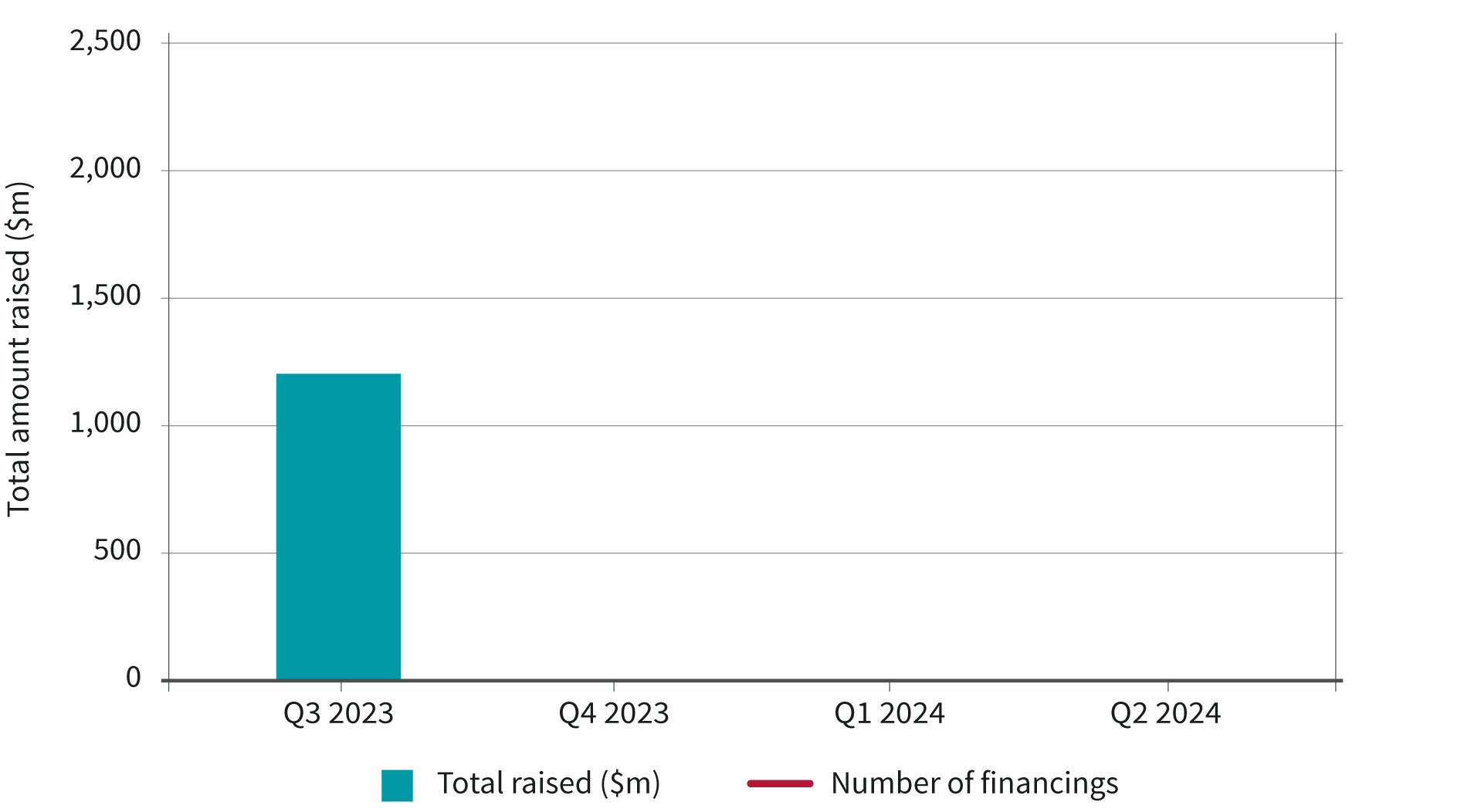
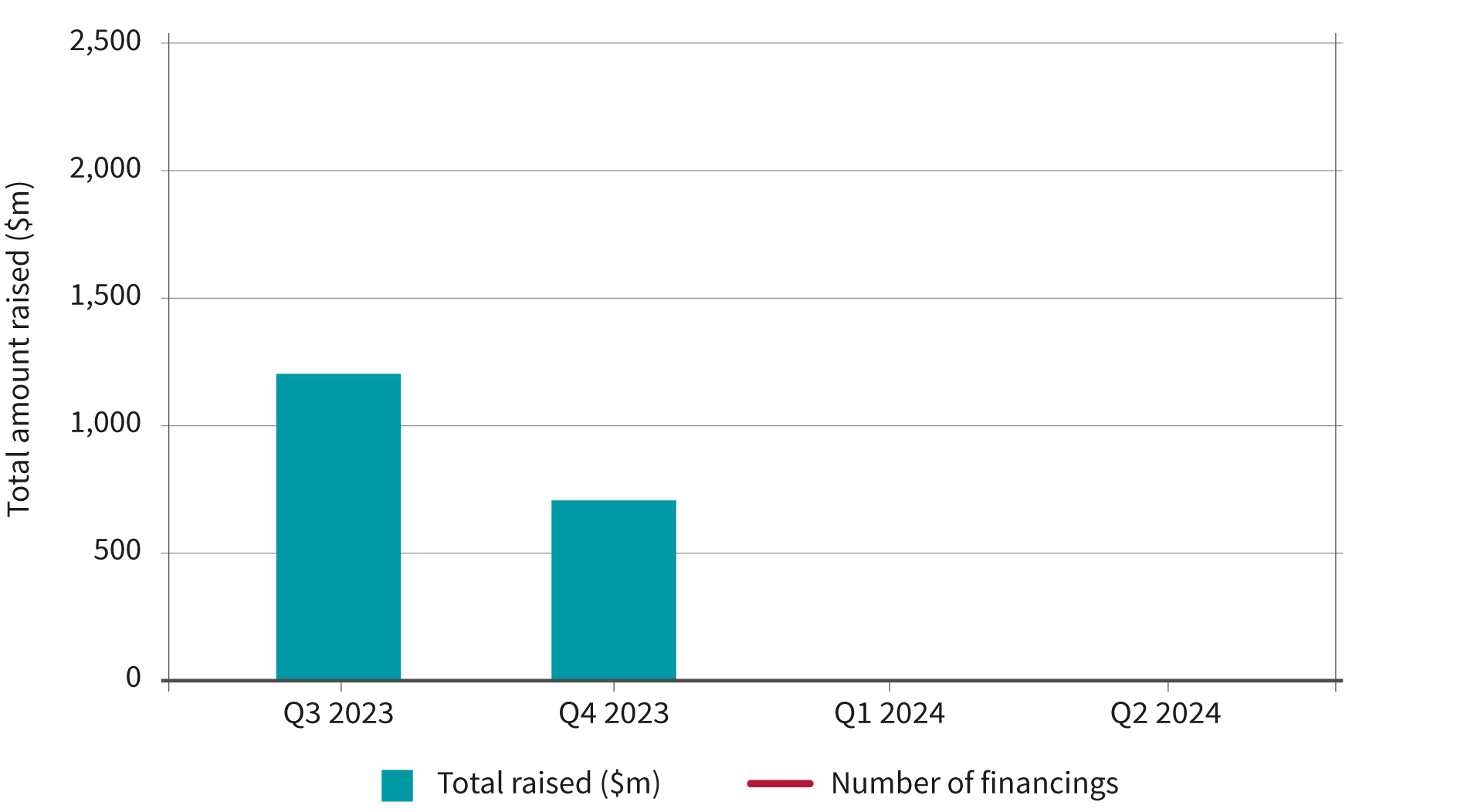
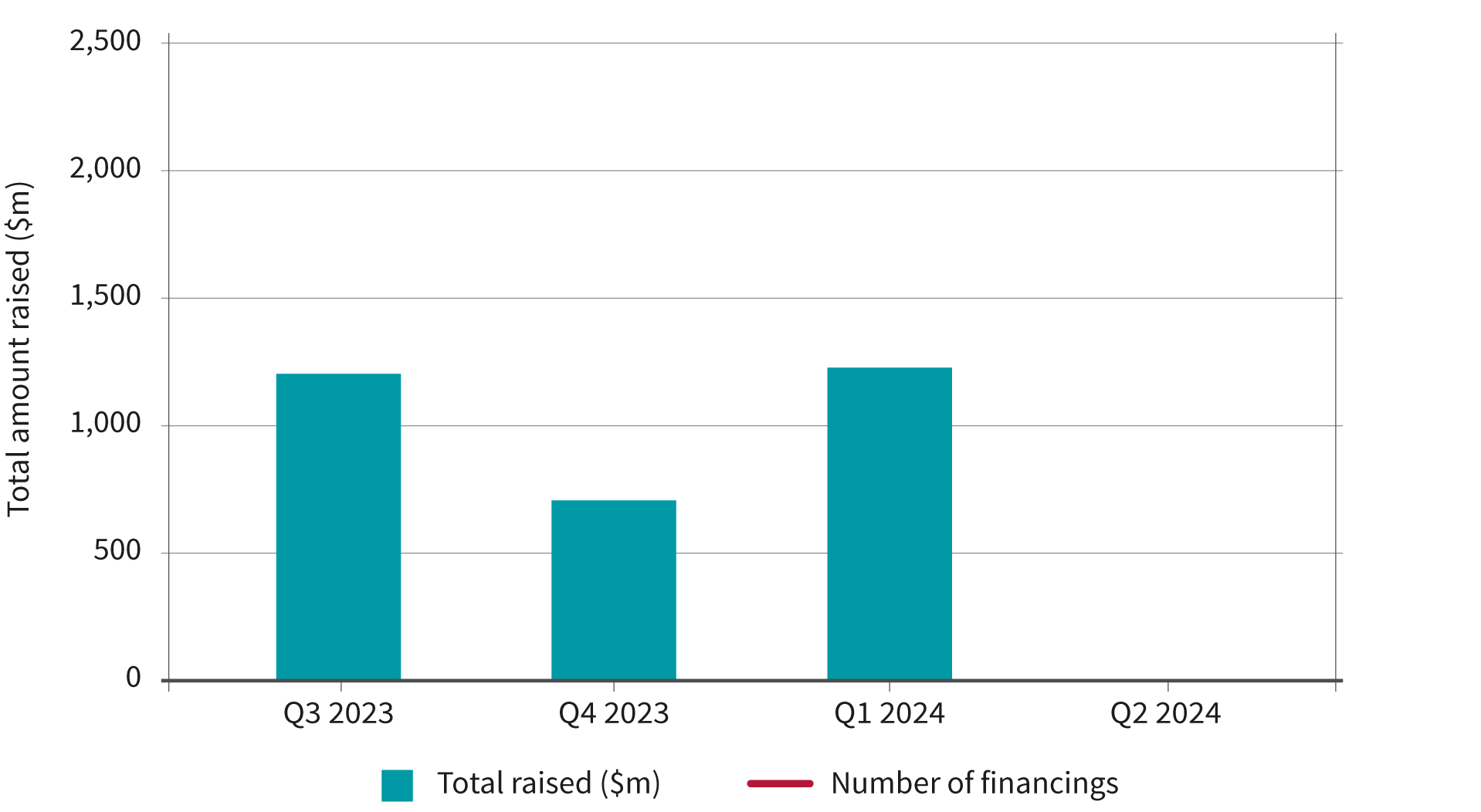
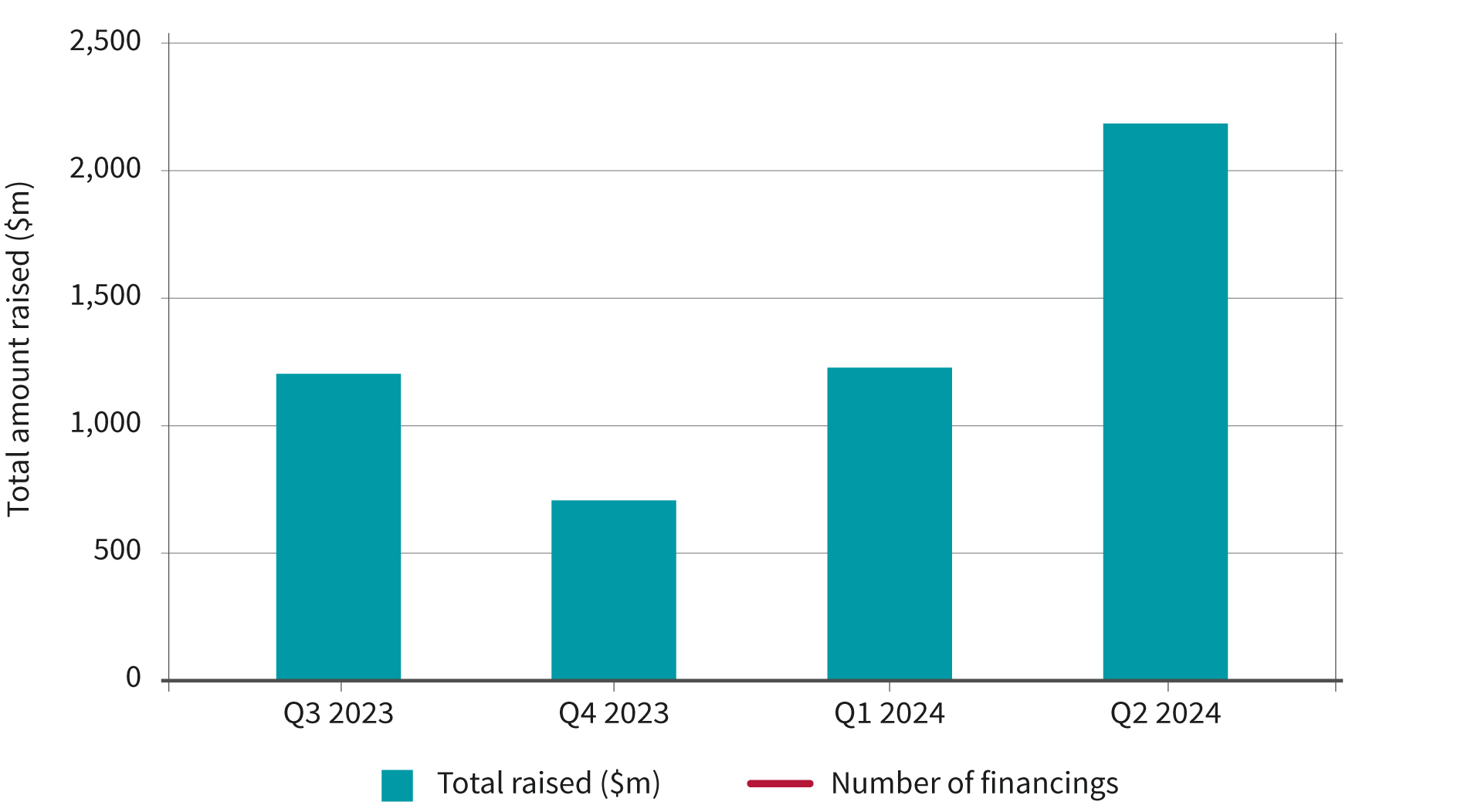
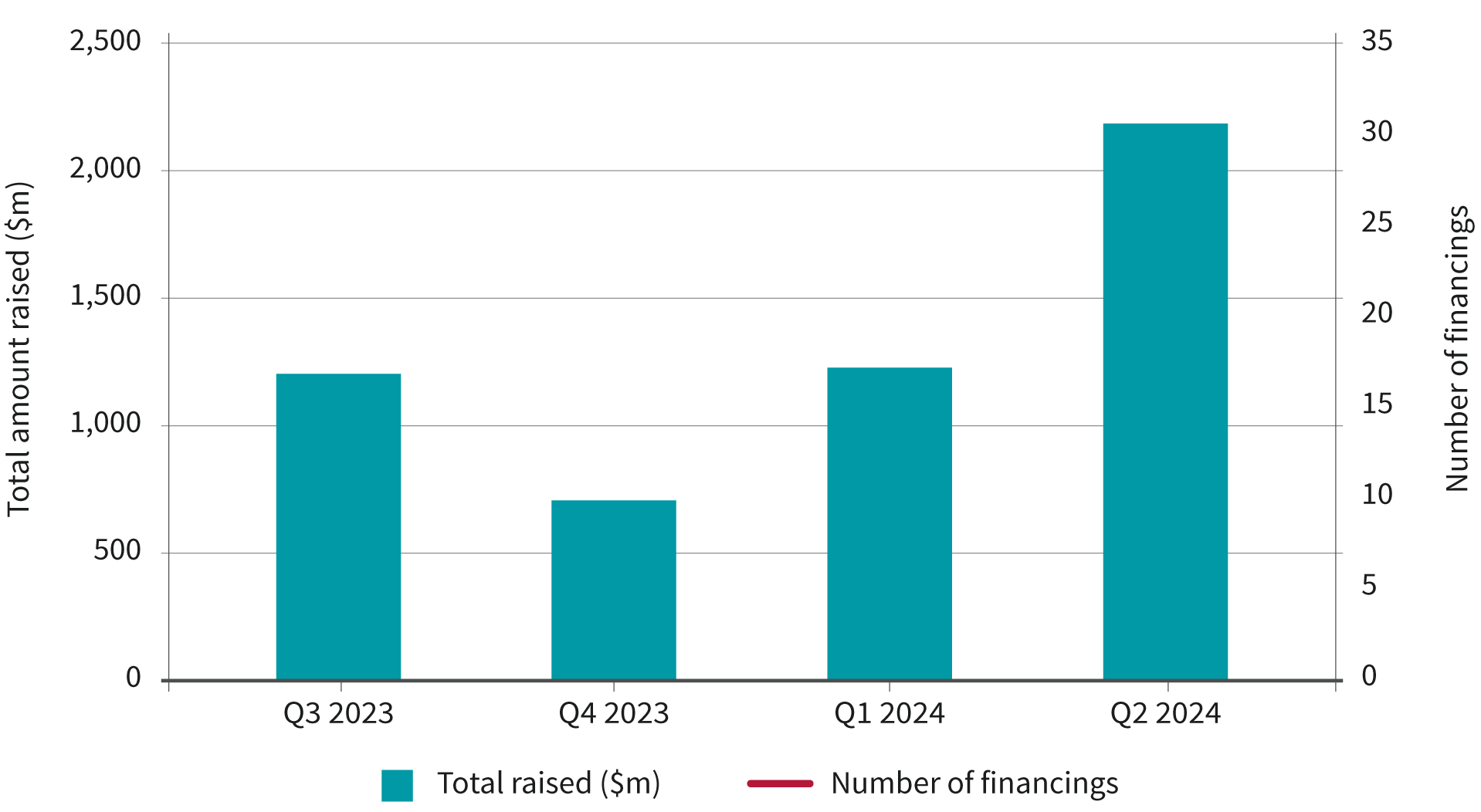
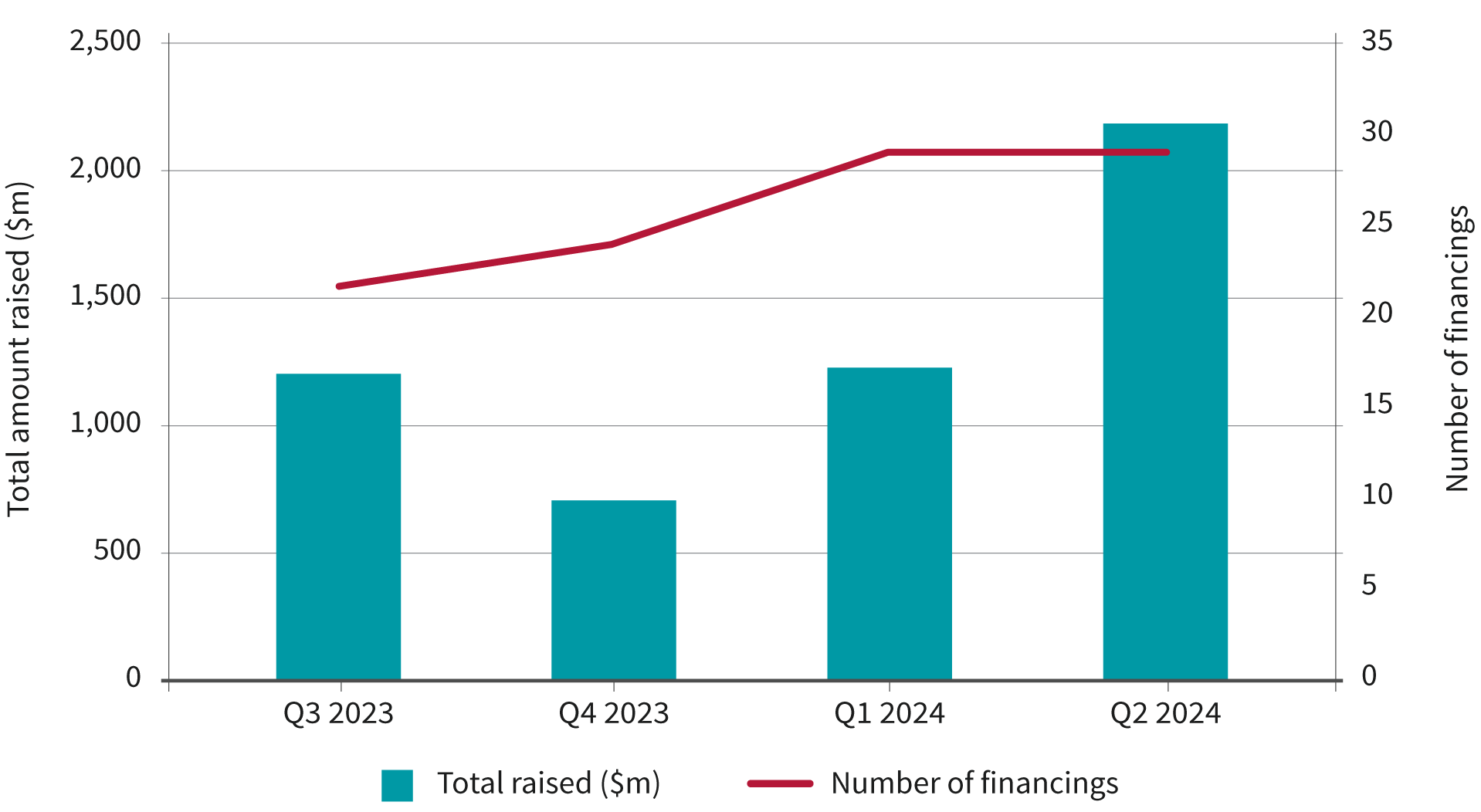
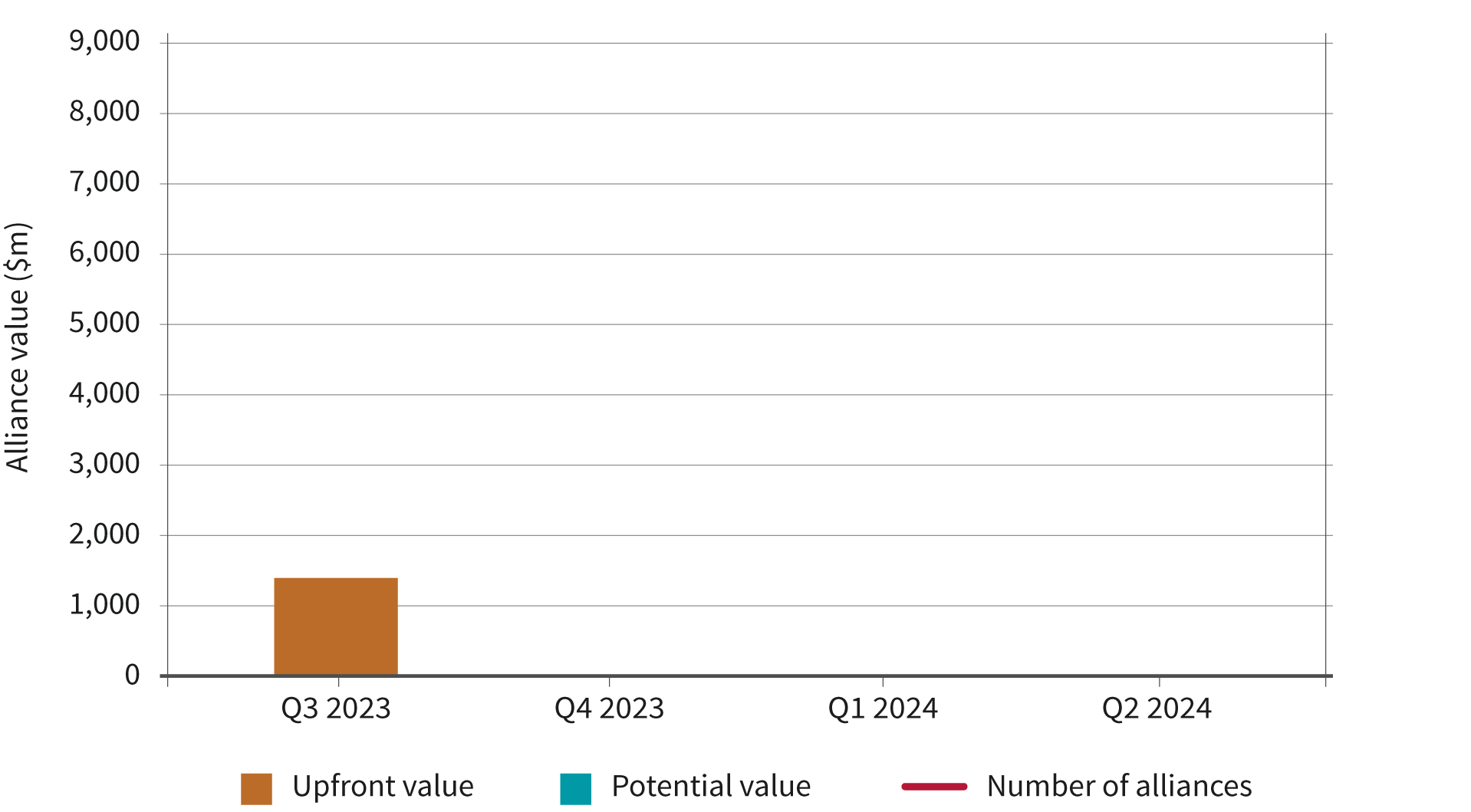
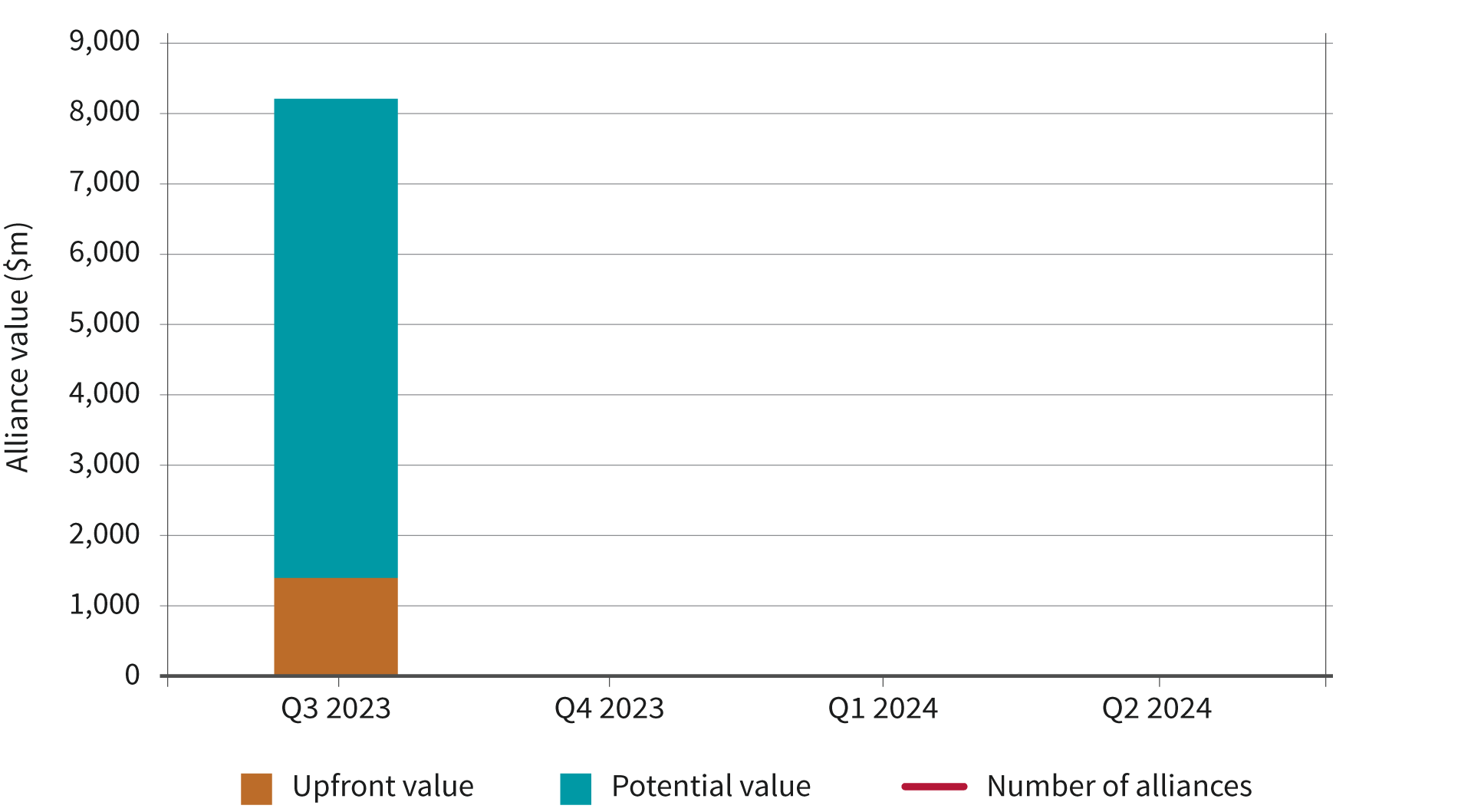
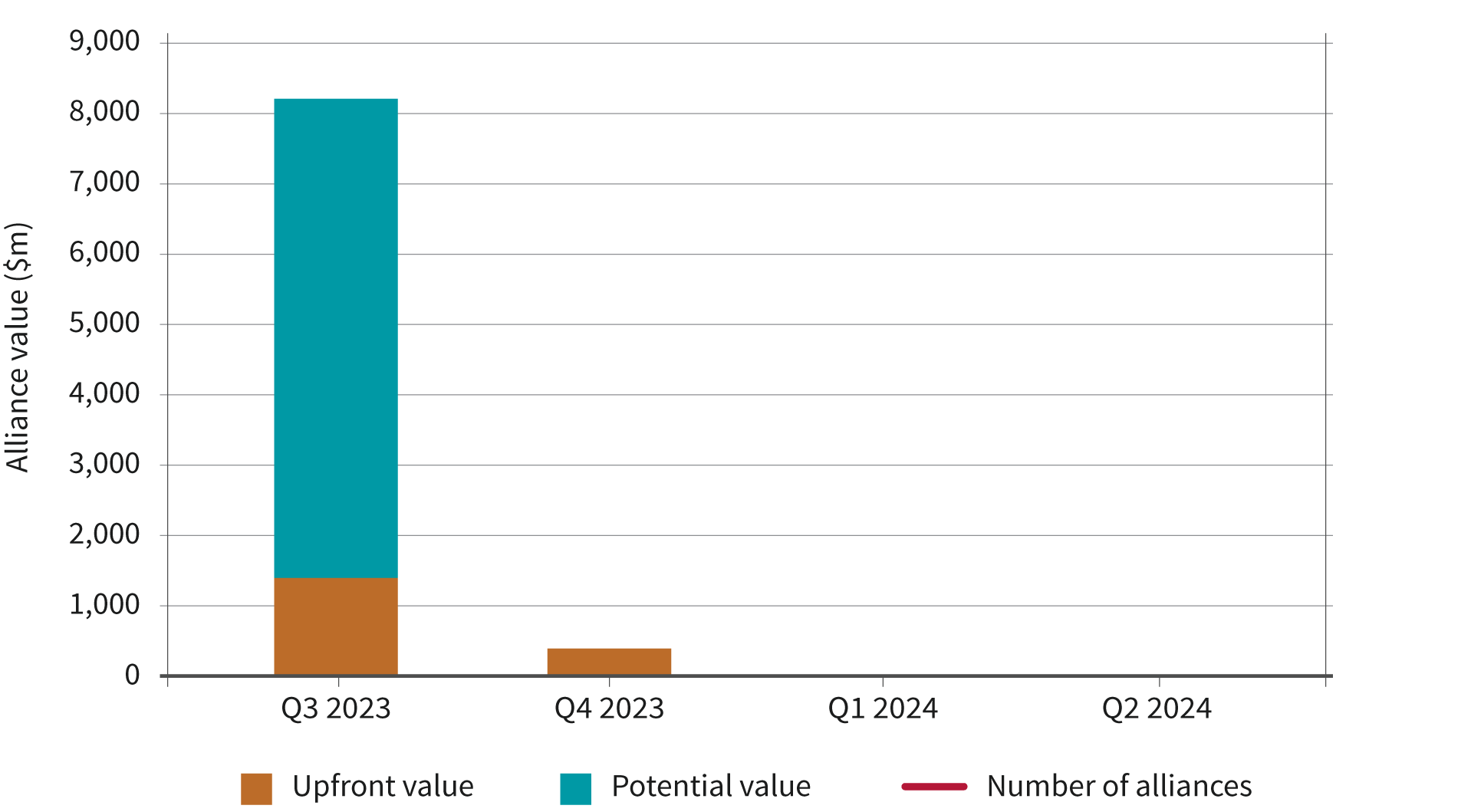
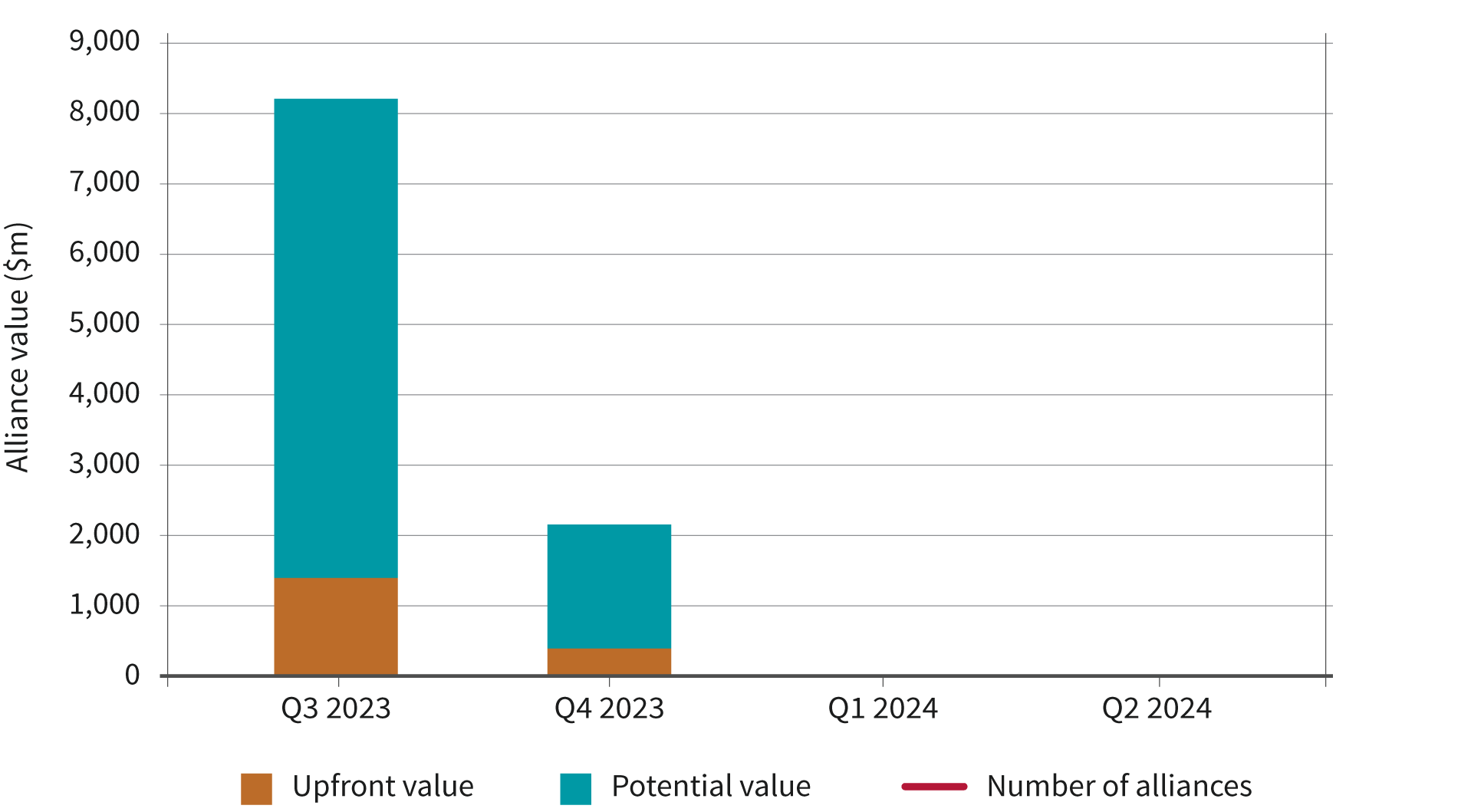
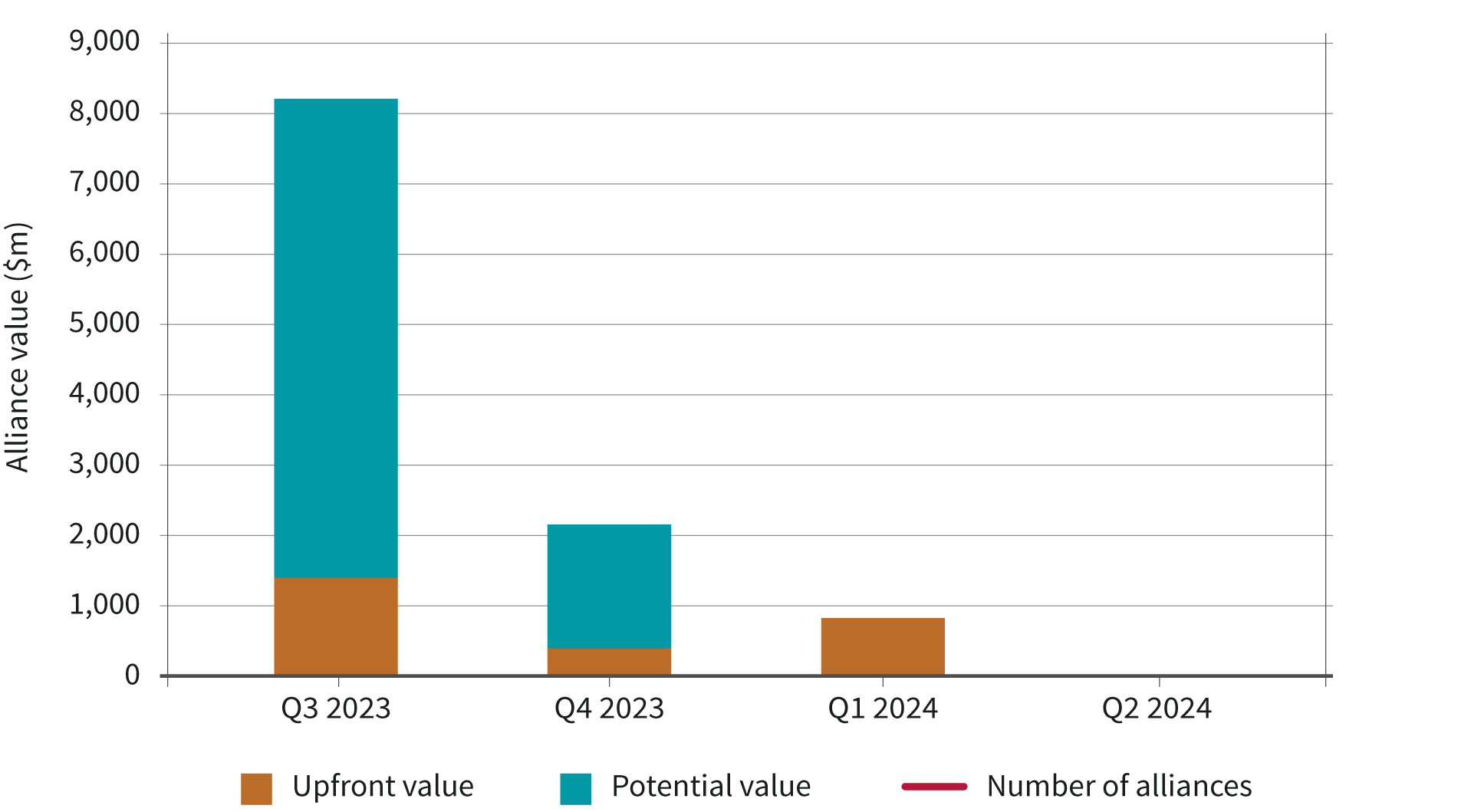
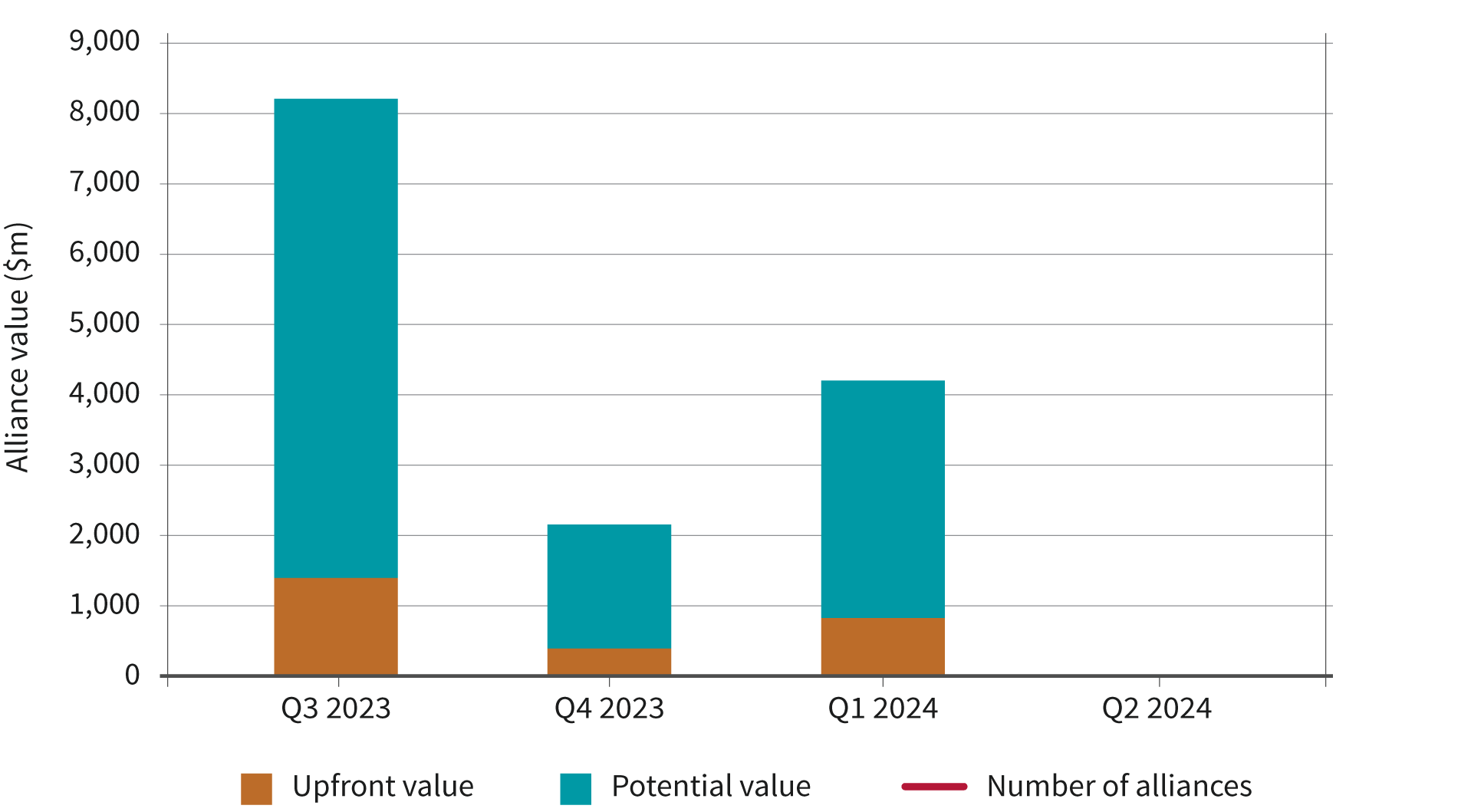
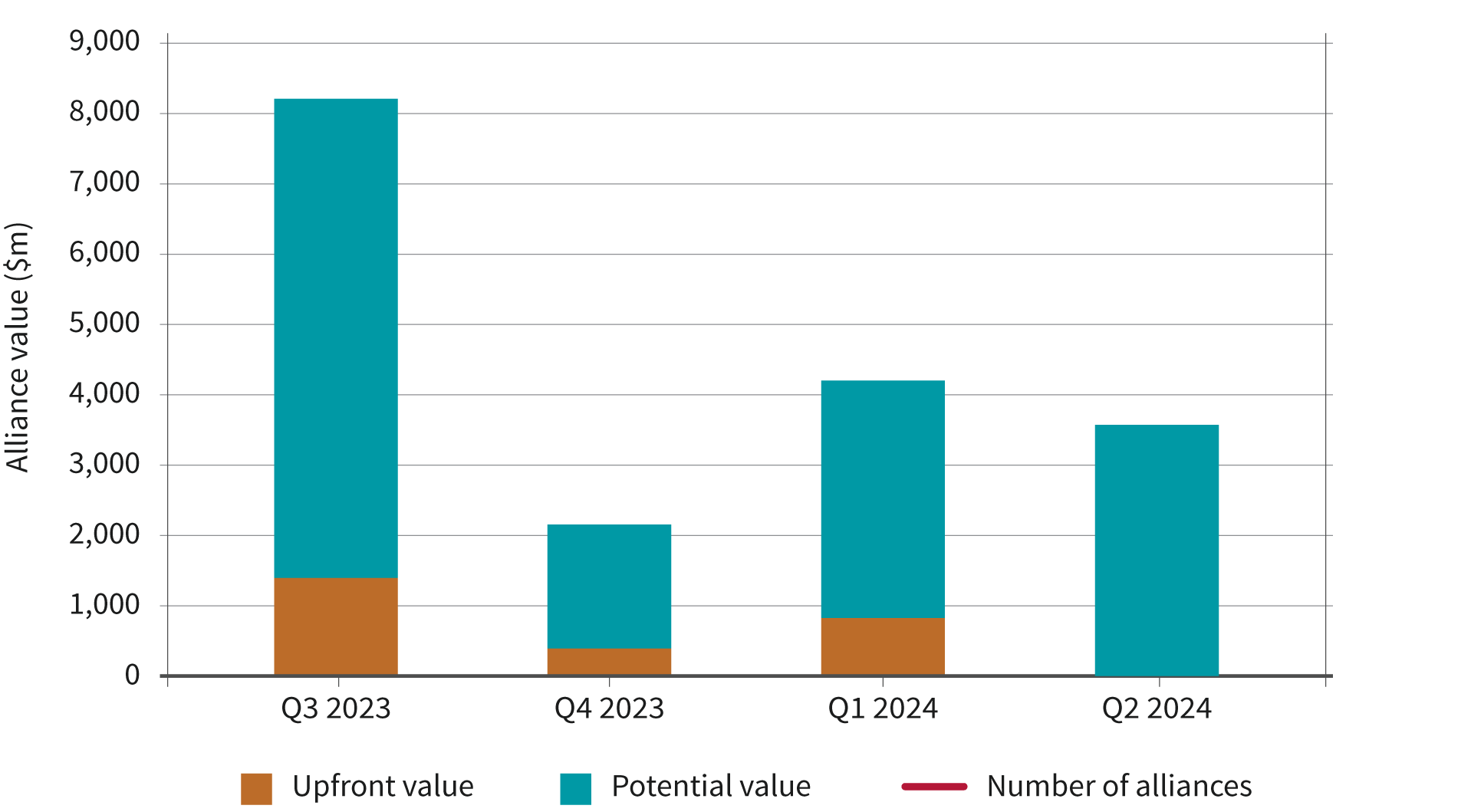
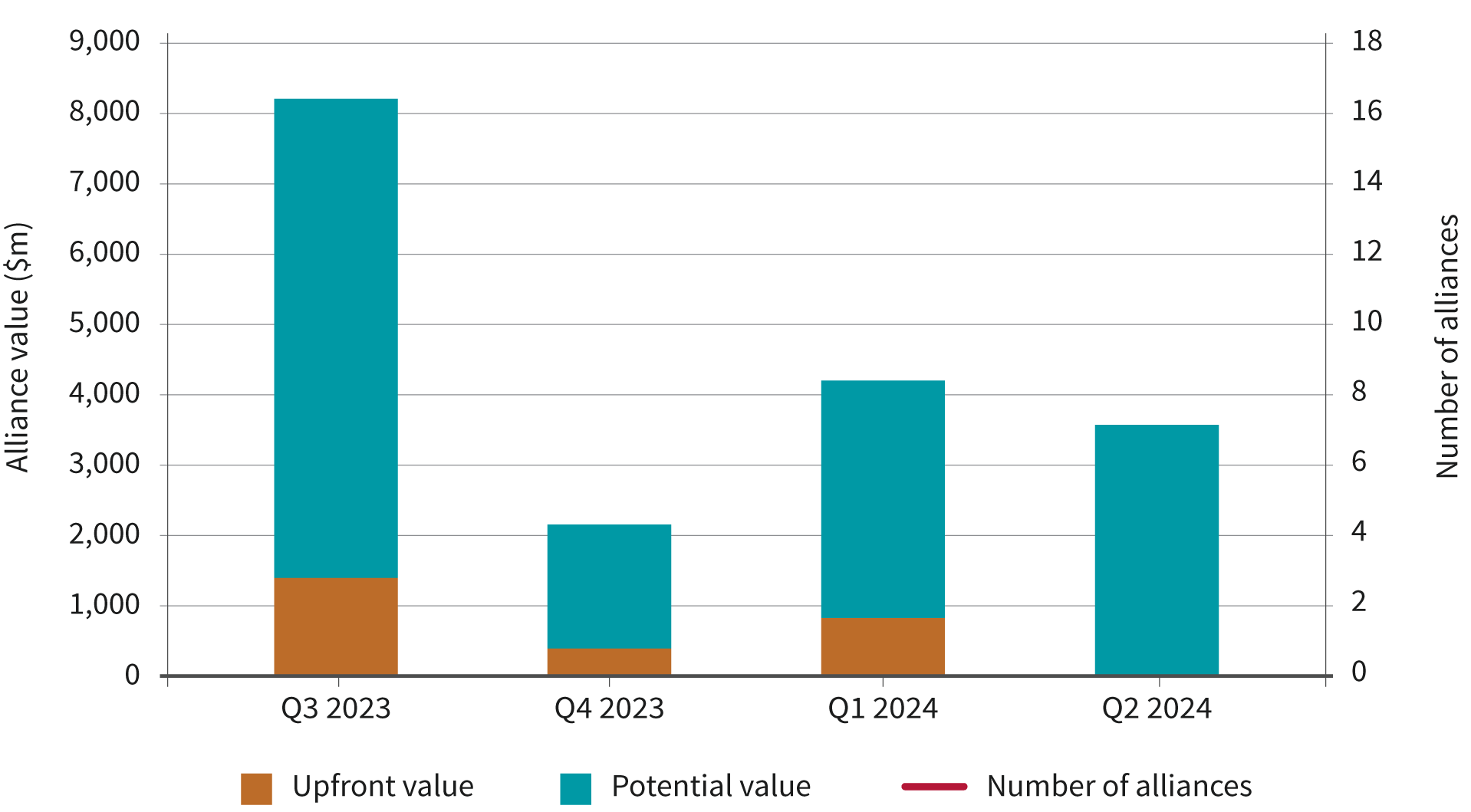
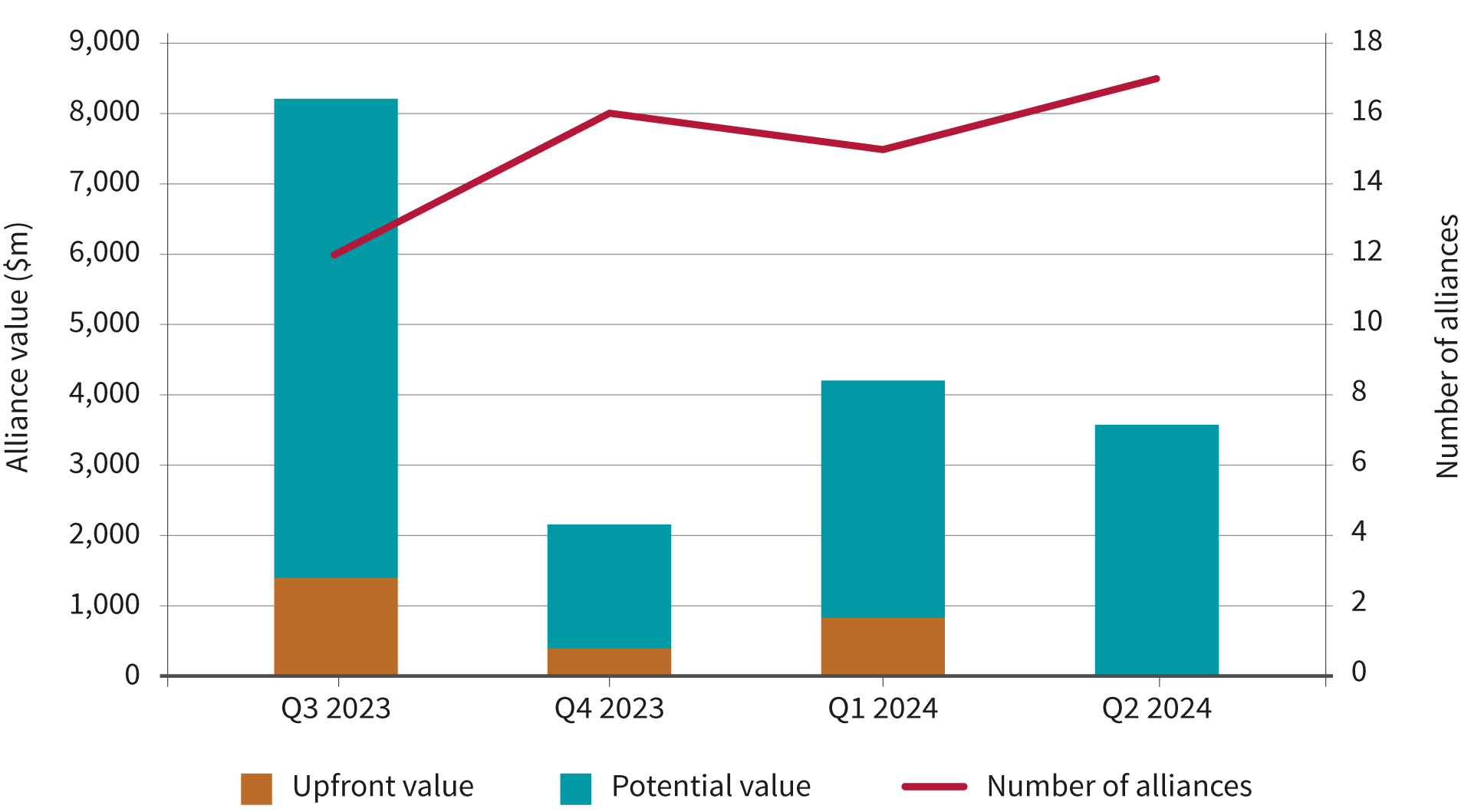
Figure 1. Growth in global TechBio financing and partnering activities
Source: Biomedtracker, July 2024
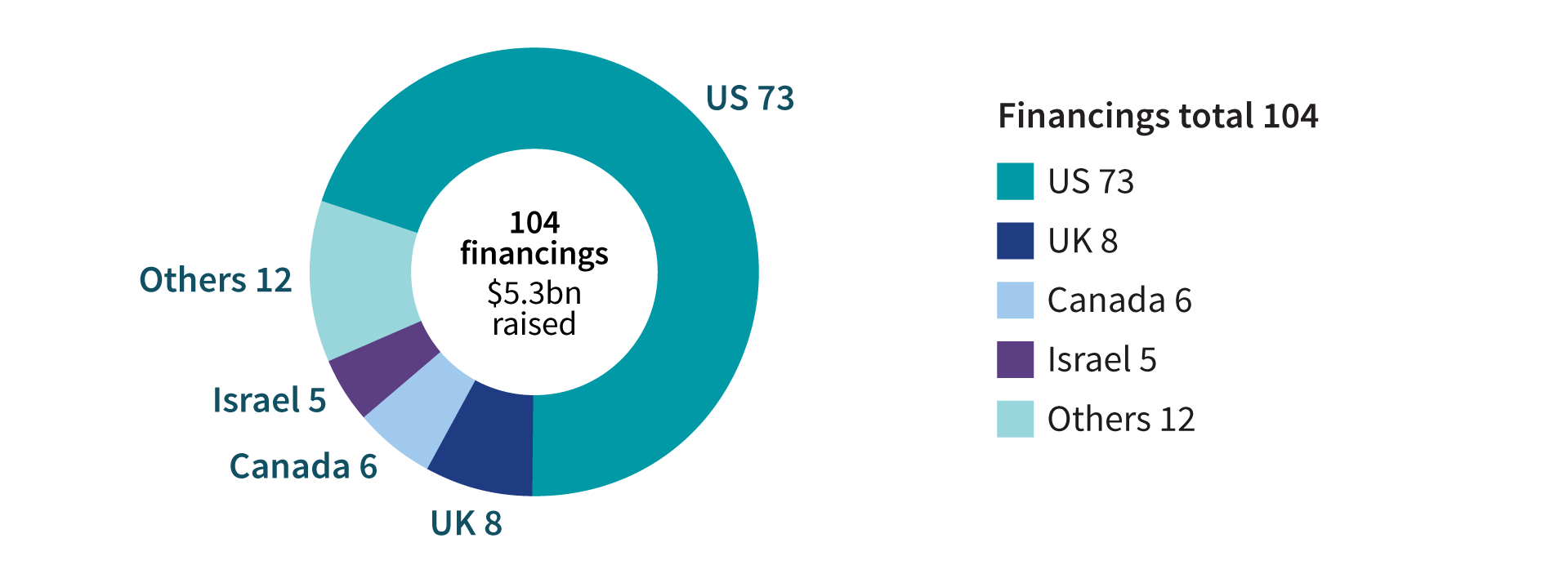
The number of financings among life sciences companies in the TechBio space trended upward from Q3 2023 before levelling off in H1 2024. An aggregate $5.3 billion was raised during that time, the greatest share occurring in the second quarter of this year accounting for $2.2 billion or 41% of the total. In the top financing, Xaira came out of stealth mode and launched in April 2024 with over $1 billion in seed funding. The start-up drug discovery company is focused on advanced machine-learning research, expansive data generation to power new models, and robust therapeutic product development. Xaira seeks to generate, integrate, and learn from vast multidimensional datasets that comprehensively characterise disease-relevant biology at all scales, from target identification and antibody design to clinical trial planning and patient selection.
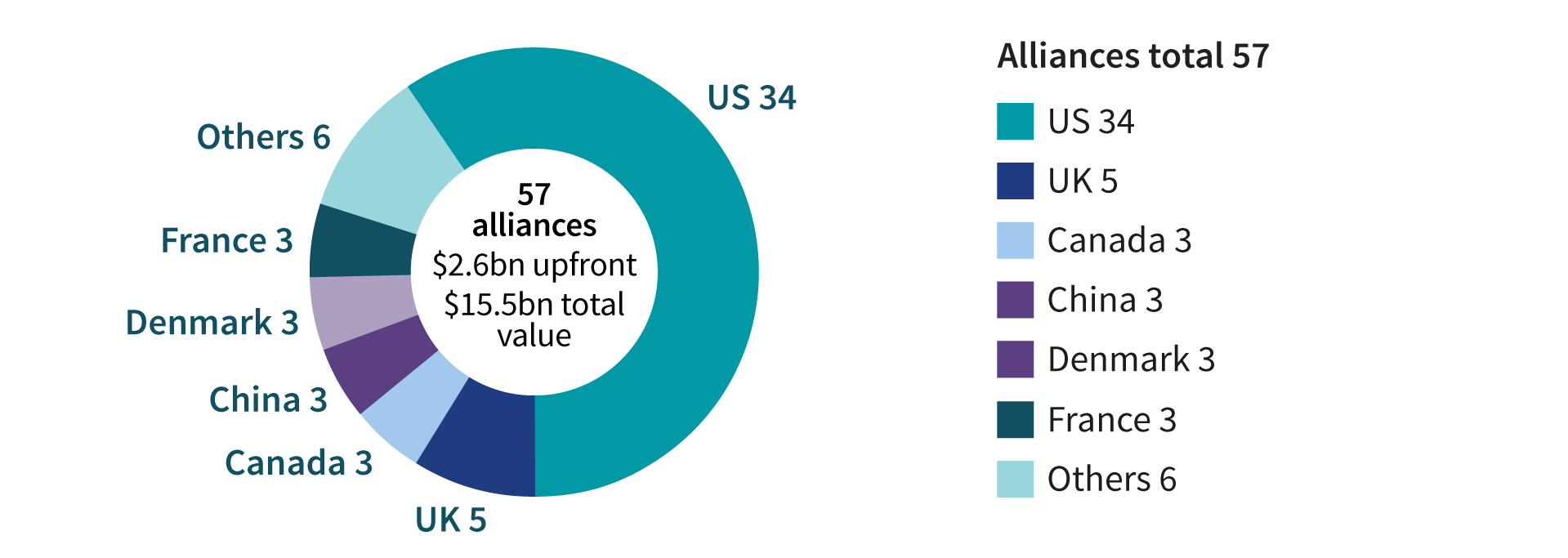
Overall, partnering activity was on the rise from Q3 2023 through Q2 2024. Deal values were highest in Q3 2023, followed by a marked decline in Q4 before gaining momentum in the first half of 2024. With a combined value of $7.6 billion, the top 10 TechBio partnerships from Q3 2023 through Q2 2024 make up 52% of the total. Contributing to the robust aggregate value were seven deals reaching the billion-dollar-plus mark, three of which occurred in Q3 2023.
In the largest deal, Novo Nordisk A and Valo Health teamed up in September 2023 with a $2.76 billion agreement to discover and develop novel treatments for cardiometabolic diseases based on Valo’s large human dataset and computation powered by AI. The collaboration between the two organisations leverages the capabilities of Valo’s Opal Computational Platform, including access to real-world patient data, AI-enabled small-molecule discovery, and Biowire human tissue modeling platform designed to speed up the discovery and development process.
Earlier that same month, Moderna and Immatics entered a $1.82 billion collaboration to discover novel therapies for cancer patients with high unmet medical need. The broad multi-platform alliance combines Moderna’s mRNA technology with customized information from Immatics’ wealth of tumor and normal tissue data included in the target discovery platform XPRESIDENT® and its bioinformatics and AI platform XCUBE™, spanning various therapeutic modalities including bispecifics, cell therapy, and cancer vaccines.
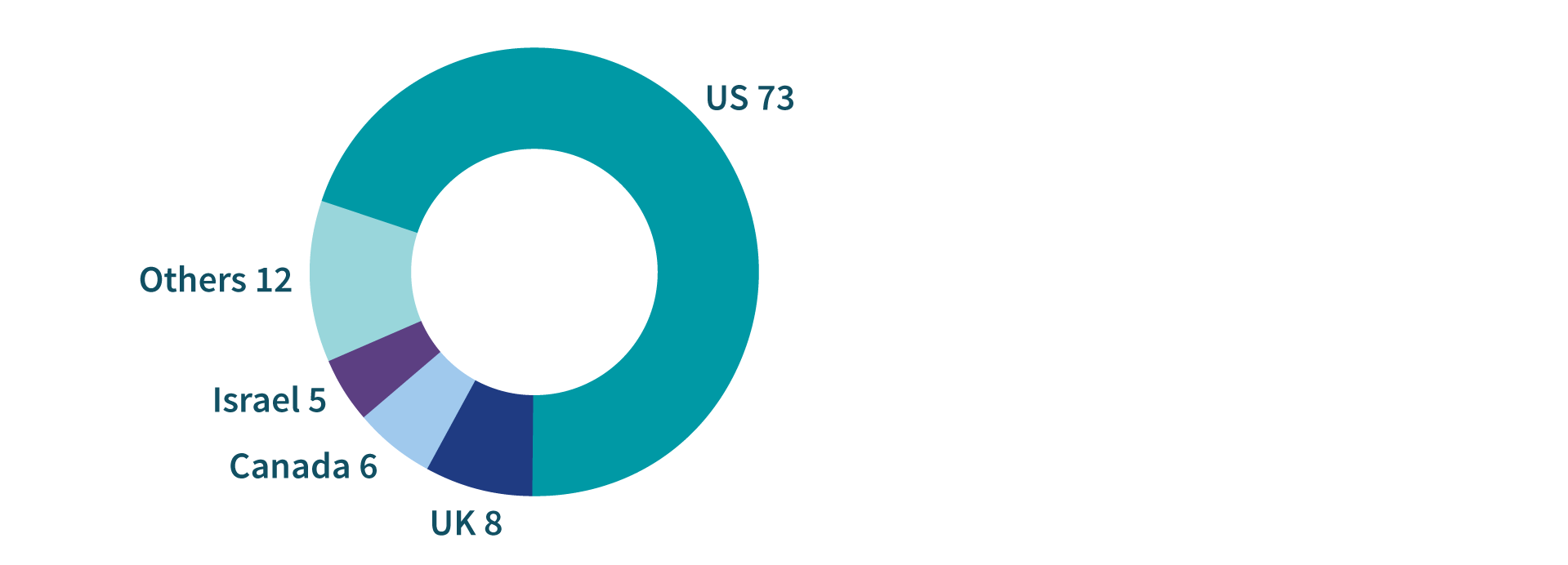
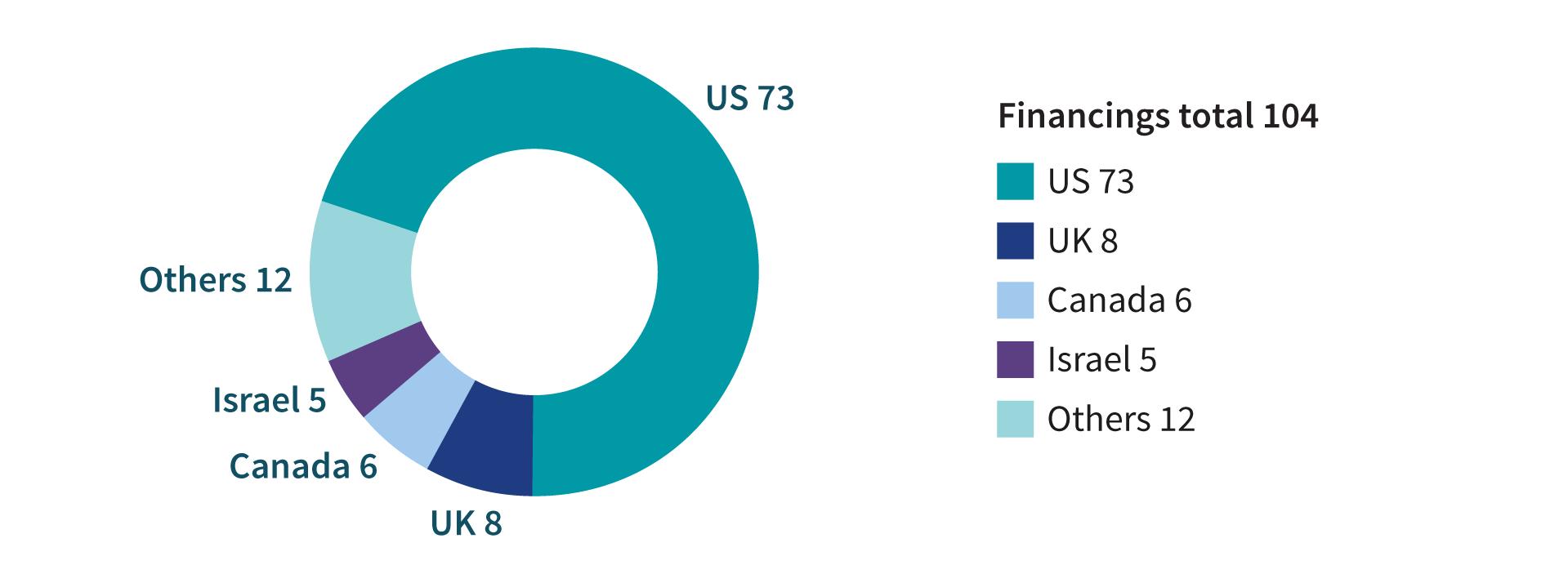
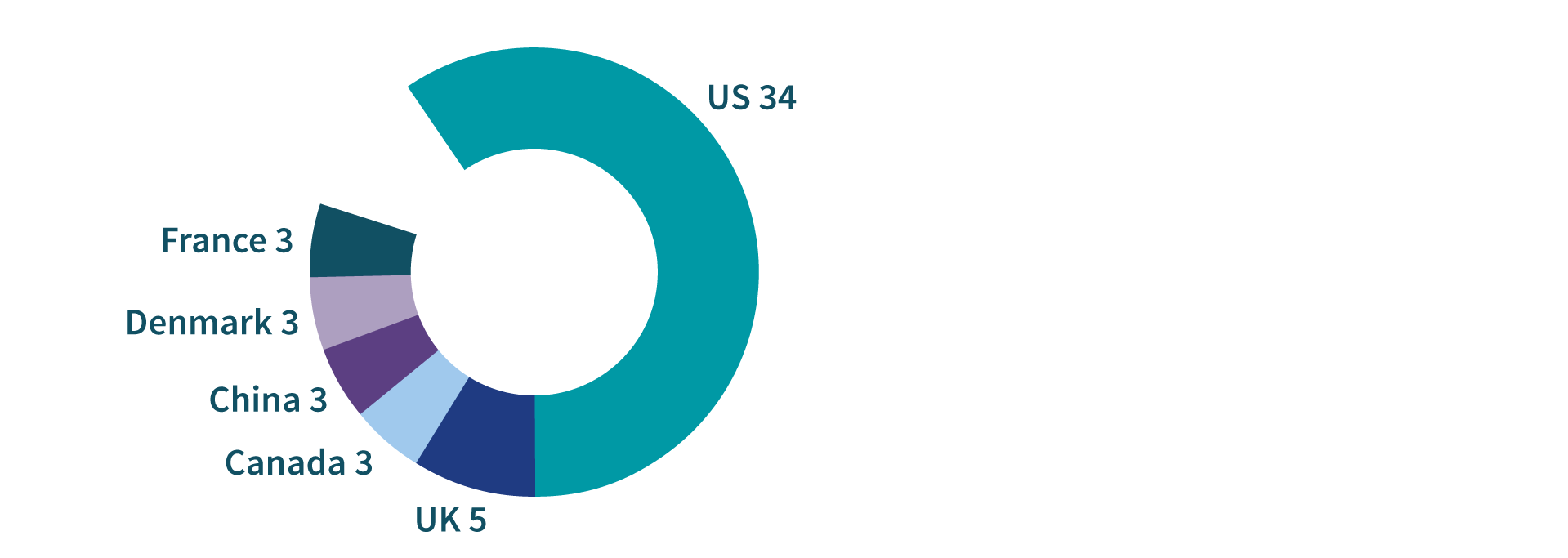
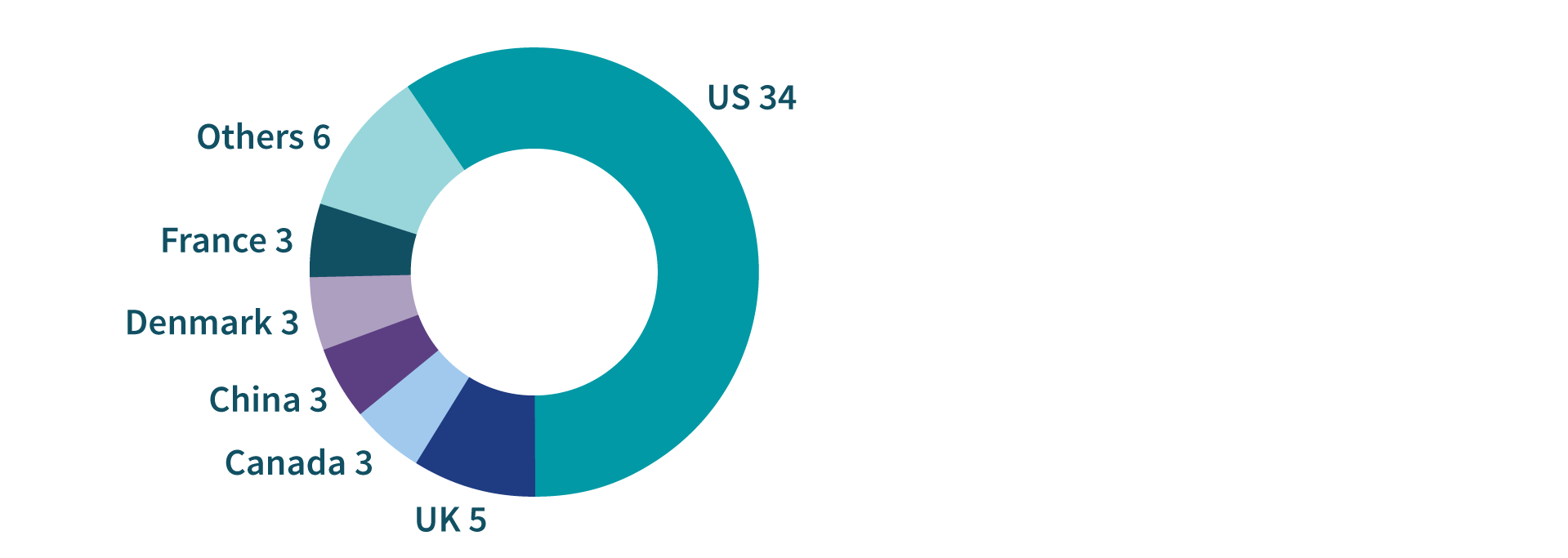
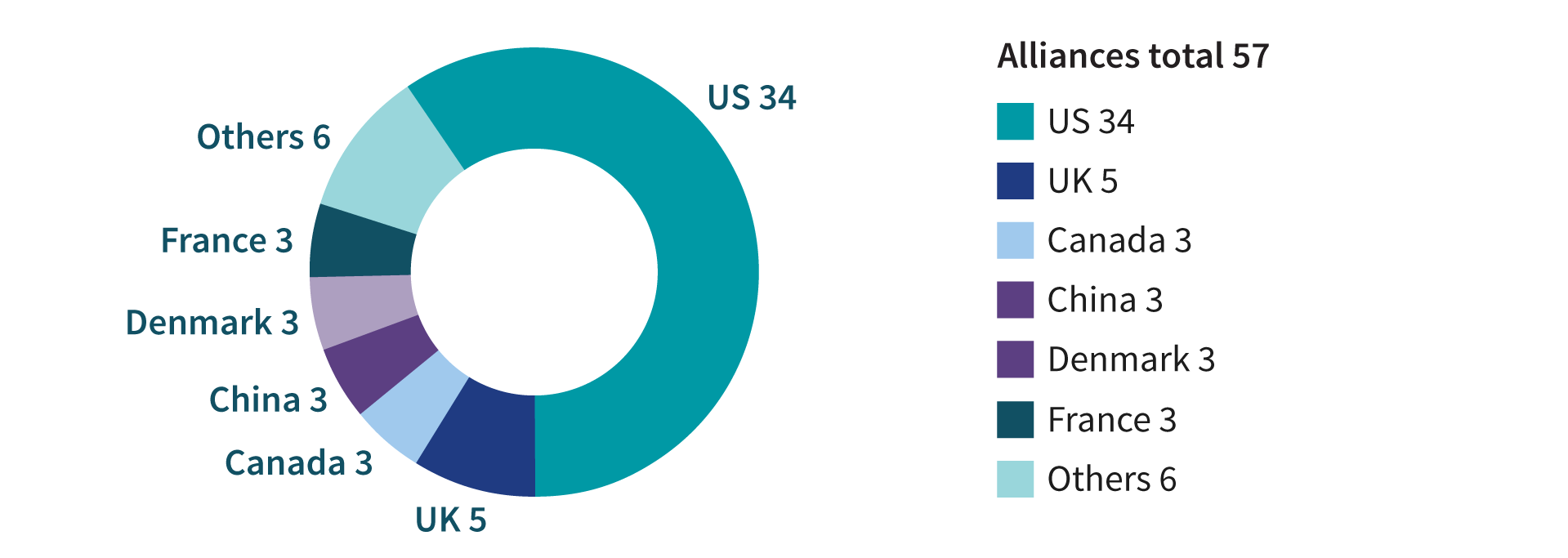
Figure 2. TechBio financing and partnering activity by geography, July 2023 to June 2024









Source: Biomedtracker, July 2024
 UK companies driving innovation
The UK TechBio ecosystem continues to evolve, with companies demonstrating significant growth and innovation in research collaborations. In 2024, we saw a surge in strategic partnerships, licensing deals, and internal drug pipeline advancements. Key milestones include:

AstraZeneca: Leveraging AI for optimised cancer drug trial
AstraZeneca has partnered with Immunai Inc. to leverage AI-powered immune system analysis for optimising cancer drug trials. The collaboration aims to enhance clinical decision-making by utilising Immunai’s platform to gain insights into the mechanisms of action of immunotherapies. AstraZeneca will pay $18 million to Immunai for access to their AI platform. The initial phase of the collaboration will focus on clinical decision-making, including dose selection and biomarker identification. AstraZeneca has the option to expand the collaboration further. This partnership aligns with AstraZeneca’s broader strategy of incorporating AI into drug discovery and development. By leveraging Immunai’s expertise in immune system analysis, AstraZeneca aims to accelerate the development of effective cancer therapies.

BenevolentAI: Partnering with Merck KGaA for AI-powered drug discovery
Concurrent with the BenevolentAI deal, Merck KGaA signed a second AI agreement with Exscientia plc focused on the discovery of novel small-molecule drug candidates across oncology, neuroinflammation, and immunology. The multiyear collaboration will utilise Exscientia’s AI-driven precision drug design and discovery capabilities while leveraging Merck’s disease expertise in oncology and neuroinflammation, clinical development capabilities, and global footprint.
Three potential targets have been identified as the initial focus of the partnership. The collaboration allows Merck and Exscientia to identify additional targets in oncology and immunology or other mutually agreed-upon disease areas. Should Exscientia identify additional targets for the collaboration, the company would be responsible for target validation in addition to drug design and be eligible for additional discovery milestones.
Under the terms of the agreement, Exscientia will receive an up-front cash payment of $20 million from Merck and will be eligible for discovery, development, regulatory, and sales-based milestone payments of up to $674 million ($113 million in the discovery stage alone), if all milestones for all three initial programmes are achieved. If Merck commercialises a therapeutic from one of the initial targets of the collaboration, Exscientia will receive tiered royalties on product sales ranging from mid-single digits to low double digits.

Exscientia: AI-driven drug design collaboration with Merck KGaA
Concurrent with the BenevolentAI deal, Merck KGaA signed a second AI agreement with Exscientia plc focused on the discovery of novel small-molecule drug candidates across oncology, neuroinflammation, and immunology. The multiyear collaboration will utilise Exscientia’s AI-driven precision drug design and discovery capabilities while leveraging Merck’s disease expertise in oncology and neuroinflammation, clinical development capabilities, and global footprint.
Three potential targets have been identified as the initial focus of the partnership. The collaboration allows Merck and Exscientia to identify additional targets in oncology and immunology or other mutually agreed-upon disease areas. Should Exscientia identify additional targets for the collaboration, the company would be responsible for target validation in addition to drug design and be eligible for additional discovery milestones.
Under the terms of the agreement, Exscientia will receive an up-front cash payment of $20 million from Merck and will be eligible for discovery, development, regulatory, and sales-based milestone payments of up to $674 million ($113 million in the discovery stage alone), if all milestones for all three initial programmes are achieved. If Merck commercialises a therapeutic from one of the initial targets of the collaboration, Exscientia will receive tiered royalties on product sales ranging from mid-single digits to low double digits.

Isomorphic Labs: Big deals in AI-powered drug discovery with Eli Lilly and Novartis
Isomorphic Labs, an autonomous subsidiary of Alphabet focused on AI-based drug discovery, penned its first major partnership in early 2024, signing a multi-target collaboration with Eli Lilly that could bring the 3-year-old company over $1.7 billion.
Isomorphic was formed based on Google DeepMind’s AlphaFold protein-folding technology, which was designed for single-chain protein prediction. The company is developing a next-generation AlphaFold that uses AI to generate predictions for a full range of biologically relevant molecules including ligands (small molecules), proteins, nucleic acids (DNA and RNA), and those containing post-translational modifications (PTMs).
Through the deal with Lilly, Isomorphic will utilise the company’s strengths in AI, data science, medicinal chemistry and deep disease expertise to discover small-molecule therapeutics against multiple targets. Lilly paid $45 million in cash up front and could hand over up to $1.7 billion in milestones, plus royalties up to the low-double digits.
Concurrently, the company signed a strategic research collaboration with Novartis to discover small-molecule therapeutics against three undisclosed targets. In this tie-up, Isomorphic contributes its AlphaFold technology platform, including the next-generation AlphaFold model, and access to massive computing power. The new iteration of AlphaFold — used to understand the underlying biological mechanisms of drug targets, build predictive and generative models, and rationally design novel therapeutics — expands beyond proteins to include small molecules and nucleic acids. Under the deal, Isomorphic will receive from Novartis a $37.5 million up-front payment, funding of select research costs, up to an additional $1.2 billion in performance-based milestone payments, plus any subsequent tiered royalties from mid-single to low double digits on net sales.
Fundraising (venture financing)

Baseimmune: Securing $11.3 million for AI-powered vaccine development
Baseimmune (uses proprietary deep-learning AI to predict future pathogen mutations to generate novel vaccines) raised $11.3 million (£9 million) in a Series A financing led by new investors MSD Global Health Innovation Fund and IQ Capital, with participation from existing investors including Hoxton Ventures, Creator Fund, Beast Ventures and Maki.vc. The company will use the funds to accelerate development of its three vaccine candidates currently in preclinical development for African swine fever, coronavirus, and malaria. The company will also use the new capital to further advance its technology, expand its team, increase the number of programmes in development, and accelerate new vaccine programmes.

CardiaTec: $6.5 million seed funding for AI-driven cardiovascular drug discovery
CardiaTec, a Cambridge University spinout pioneering AI-driven drug discovery for cardiovascular diseases, has successfully secured $6.5 million in seed funding. This investment will fuel the company’s efforts to build a vast dataset of human heart tissue, leveraging AI to identify novel therapeutic targets. By addressing a significant unmet need in healthcare, CardiaTec is poised to make a meaningful impact on the fight against cardiovascular disease. The company’s innovative approach and recent funding demonstrate the growing potential of TechBio in revolutionising drug discovery.

Causaly: $60 million Series B round for AI-powered biomedical research
AI-based biomedical research firm Causaly raised $60 million in its Series B round from investors including ICONIQ Growth (lead), Index Ventures, Marathon Venture Capital, EBRD, Pentech Ventures and Visionaries Club. The company’s platform reads and digests the entire volume of biomedical literature ever published, in seconds, which makes it possible for anyone to run deep searches and find answers to complex research questions that would take weeks, or even months, to discover with traditional keyword searches. The technology is being used at scale by teams of researchers in diverse workflows from target identification to biomarker discovery, with customers including Gilead, Novo Nordisk, Regeneron, the Food and Drug Administration, and the National Institute of Environmental Health Sciences.

ExpressionEdits: $13 million seed funding for AI-powered protein expression optimisation
ExpressionEdits (optimising protein expression using AI and proprietary intronisation technology) raised $13 million in a seed financing round co-led by Octopus Ventures and redalpine, with participation from BlueYard Capital, Wilbe Capital, Acequia Capital, Amino Collective, and Hawktail. The funding will accelerate candidate selection for preclinical studies and develop a pipeline of protein-based therapeutics. The primary focus for the pipeline will be recombinant proteins that have historically faced production and manufacturing challenges based on current technology. The company’s AI-powered platform integrates millions of biological data points with machine-learning algorithms, enabling automated optimisation of gene design.

IMU Biosciences: £11.5 million Series A round for immune-powered precision medicine
IMU Biosciences (focused on immune-powered precision medicine) raised £11.5 million ($14.6 million) in a Series A round led by European tech VC Molten Ventures and included LifeX Ventures. Proceeds will be used to advance the company’s CytAtlas platform, foster new strategic partnerships and projects, conduct cutting-edge, large-scale immune research, and expand its operations. IMU Biosciences uses the CytAtlas platform to power the future of translational research and clinical practice, from diagnostics to drug development and treatment response, and with application across multiple high-growth areas, including immune-oncology, cell therapy, autoimmune disorders, and transplantation.

LabGenius: $43 million Series B funding for AI-powered antibody discovery
LabGenius, a drug discovery company, has secured $43 million in Series B funding to advance its AI-powered platform for antibody discovery. The company’s innovative approach addresses the critical challenge of on-target, off-tumour toxicity in therapeutic antibodies. By using machine learning to optimise antibodies across multiple key factors, LabGenius aims to develop novel and effective treatments for solid tumours.
This funding round is a significant milestone for LabGenius, attracting investment from leading venture capital firms. The additional capital will enable the company to expand its platform capabilities, progress its pipeline of multispecific antibodies, and further solidify its position as a pioneer in AI-driven drug discovery.
TechBio innovation showcase
We take a closer look at five incredible earlier-stage companies driving innovation in the TechBio space.
Case study

What does the company do?
Tailor Bio is a cancer drug discovery start up. Their vision is to make precision medicine a reality for deadly cancers that have chromosomal instability (CIN). CIN is a genomic phenomenon present in up to 80% of all cancers. Cancers with high levels of CIN have particularly poor patient outcomes and significant unmet medical needs. At Tailor Bio, they are developing a pan-cancer precision medicine platform to discover new drugs to treat cancers with CIN, as well as matched diagnostics to identify the population of patients most likely to respond.

How does the technology work?
Their technology is a TechBio platform that combines innovative AI/ML enabled computational technology with novel in vitro approaches for CIN drug discovery. They utilise genomic biomarkers of CIN to identify patient populations that have similar biological vulnerabilities. Tailor Bio utilise this insight to select better therapeutic targets for CIN drug discovery, along with the matched patient population that will respond to this treatment. These genomic biomarkers can be computed from a variety of different sequencing assays, and are the same biomarkers used from target discovery to clinical stratification.
How will it be used?
The biggest opportunity that Tailor Bio have, is to develop entirely tumour-agnostic targeted therapies from the outset of discovery. Since CIN is such a prevalent phenomenon in cancer (up to 80% of all cancers), using their knowledge of patient stratification biomarkers, by selecting the right targets, they can develop broader, tumour-agnostic therapies in oncology. One of their main challenges is maintaining a balance between asset development and partnerships. As a TechBio company with a platform, they have significant optionality in how to continue progressing and validating their technology.
When it comes to its own product development, Tailor Bio envision having to start with smaller patient populations within specific tumour types to demonstrate the utility of targeting CIN. Increasingly they are seeing that oncology treatments are becoming more biomarker-led and tumour-agnostic, and they believe that targeting CIN in a tumour-agnostic fashion is inevitable.
From an industry perspective, increasingly Tailor Bio see the TechBio stream consolidating into being a (therapeutic) asset-led business. The investment environment seems such that most TechBio companies are utilising their platforms to develop internal products, with partnerships and services deals being completed on the way, in order to validate technology or bring in revenue.
Case study
What does the company do?
Founded in 2021 based on research from the University of Cambridge, ExpressionEdits is a biotechnology company optimising protein expression using AI and proprietary intronisation technology.
ExpressionEdits’ proprietary intronisation methodology revolutionises gene design by mimicking the natural genetic landscape. By strategically incorporating multiple short noncoding DNA sequences known as introns into artificial genes, ExpressionEdits has achieved significant enhancements in gene expression which leads to better protein production.
How does the technology work?
ExpressionEdits has automated and optimised this methodology through the development of their AI-powered platform, the Genetic Syntax Engine. The Genetic Syntax Engine integrates millions of biological data points with machine learning algorithms, enabling automated optimisation of gene design. This transformative technology empowers ExpressionEdits to predict and redesign genes to unlock protein expression across therapeutic modalities.
How will it be used?
ExpressionEdits is building biology with nature’s mechanisms in mind to advance an internal pipeline of medically urgent therapeutic proteins that, despite having been identified as targets to treat patients, are currently unavailable due to protein expression and production challenges.
Using the Genetic Syntax Engine to enhance existing designs, ExpressionEdits aims to overcome these challenges, enabling the creation of promising therapeutics so far considered infeasible.
In parallel to their protein therapeutic pipeline development plans, ExpressionEdits is exploring the potential of their technology within gene therapy applications in collaboration with gene therapy innovators to drive the advancement of gene therapy optimisation, boosting potency and precision without altering core designs.
What are the opportunities and challenges?
This innovation is important as the industry is currently limited in their transgene design capabilities by traditionally available toolkit elements (e.g. promoters, codon-optimisation, UTRs), which each introduce their own challenges and which cannot, in many cases, fully resolve the issue of suboptimal protein production. The ExpressionEdits intronisation method is compatible with this pre-existing toolkit, bringing new, unexplored levels of control.
In addition to enabling the production of proteins not currently available due to protein expression challenges, this technology has the potential to:
- lower protein-based drug manufacturing costs by significantly improving protein production,
- remove issues relating to protein misfolding during production by improving expression without codon optimisation, which can have a detrimental impact on protein folding,
- reduce toxicity for viral gene therapy by reducing the viral load necessary to achieve therapeutic expression levels, as well as the requirement for multi-dosing,
- improve drug precision for gene therapy by unlocking the use of less active yet highly tissue-specific promoters.
Whilst the opportunities are extensive for this technology, the ExpressionEdits team recognise that keen focus is a strategic imperative for achieving success, particularly at this early stage.
What are the future trends?
The opportunities for this technology are significant, given the central role the transgene and emerging AI optimisation applications play in biotechnology.
ExppressionEdits believe that proteins designed with nature’s mechanisms in mind, and using advanced machine learning models trained on overwhelming data, will form the foundation of therapies and bioproduction in the near future.
Case study

What does the company do?
Aparito is a pioneering technology company specialising in clinical outcome assessments. Their innovative software platform, Atom5™, digitises and decentralises the clinical trial experience for patients. By enabling patients to capture clinical outcome assessments digitally, Aparito streamlines the trial process, reduces costs, and enhances patient engagement.
 Dr Elin Haf Davies, Chief Scientific Officer and Founder, Aparito
How does the technology work?
Atom5™ operates as a user-friendly app or web browser platform. Patients can easily access the platform and participate in clinical trials from the comfort of their homes. The technology is designed to capture various clinical outcome assessments, including primary, secondary, and exploratory endpoints, as defined in the trial protocol. These assessments are crucial for data analysis and answering the objectives of the study.
Atom5™ incorporates advanced features to enhance data accuracy and reliability. For example, the platform can integrate with wearable devices to passively capture physiological data, providing a more comprehensive understanding of patient health. Additionally, Atom5™ supports video-based assessments, allowing for more nuanced observations of patient symptoms and function.

How will it be used?
Aparito’s technology is primarily utilised in clinical trials, particularly in the rare disease space. The platform allows for global patient recruitment and participation, making it easier to conduct studies in remote areas. By reducing the burden of in-person visits, Atom5™ improves patient compliance and retention. The collected data is invaluable for researchers to analyse and understand the efficacy and safety of experimental treatments.
Beyond rare diseases, Atom5™ can be applied to a wide range of clinical trials, including those for life limiting illnesses, central nervous disorders and oncology. The platform’s versatility and adaptability make it a valuable tool for researchers seeking to accelerate drug development and improve patient outcomes.
What are the the opportunities and challenges?
Aparito’s acquisition by Eli Lily and Company represents a significant opportunity for growth and expansion. With Lily’s support, the company can reach a broader patient population and accelerate the development of innovative treatments. However, ensuring a seamless user experience for both patients and clinical trial site staff will be a must to achieve potential. Aparito continues to invest in enhancing the platform’s usability and accessibility, while also incorporating more advanced features like video-based assessments and wearable device integration.
One of the key demands facing Aparito is the need to address regulatory compliance and data privacy concerns. As a technology company operating in the healthcare sector, Aparito must adhere to strict regulations to protect patient data and ensure the integrity of clinical trial data. The company is actively prioritising robust data security measures to maintain compliance with relevant regulations.
What are the future trends?
Aparito envisions a future where clinical trials are fully digital and even more decentralised and patient-centric. They are focused on incorporating more passive data capture methods to minimise the burden on both patients and site staff. Additionally, the company plans to integrate with other clinical trial platforms and systems to create a more unified and efficient experience for all stakeholders. By staying at the forefront of technological advancements, Aparito is well-positioned to shape the future of clinical research.
In the coming years, Aparito plans to expand its product offerings and explore new applications for Atom5™. This may include developing specialised modules for specific disease areas or integrating with other digital health tools. By continuously innovating and adapting to the evolving needs of the healthcare industry, Aparito aims to remain a leader in clinical outcome assessments and contribute to improving patient care.
Case study

What does the company do?
Enhanc3D Genomics is a pioneering TechBio company focused on using 3D genomics to harness the full potential of the human genome, accelerating drug discovery and development. By mapping the three-dimensional structure of DNA within the nucleus, Enhanced Genomics provides valuable non-coding insights into gene regulation, disease mechanisms, and potential therapeutic targets.
The Turing Biosystems platform can integrate many kinds of omics data, such as genomics, transcriptomics, metabolomics, imaging, blood data and clinical data from patients, and connect what can be detected in this data with known biological mechanisms, entities and clinical knowledge.
 Watch this video to learn more
How does the technology work?
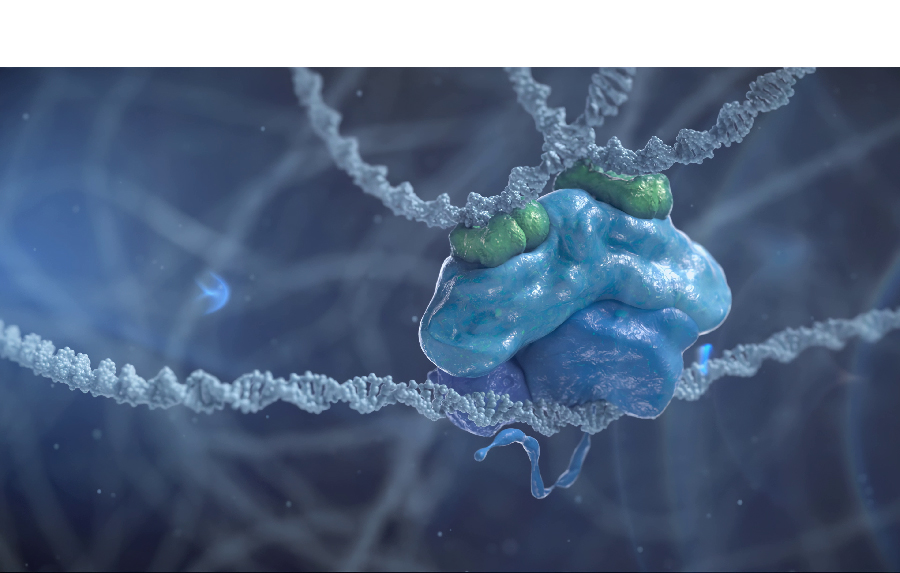
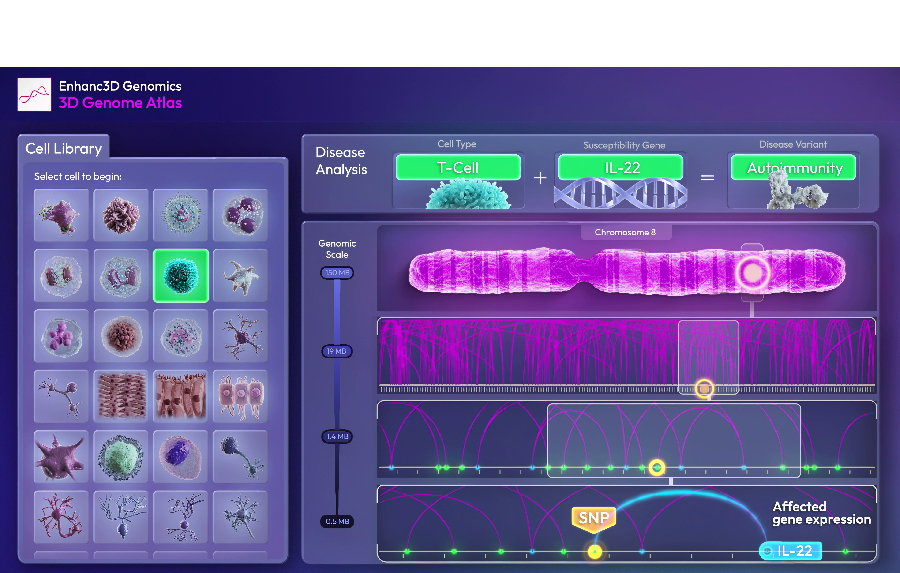
Enhanced Genomics’ proprietary technology, called Promoter Capture Hi-C, enables the creation of 3D genome atlases. These atlases provide a comprehensive, genome-wide, understanding of the interactions between genes and their regulatory elements, revealing crucial information about gene expression and cellular function. By analysing these interactions, Enhanced Genomics can identify genes involved in diseases and discover potential drug targets. Enhanced Genomics’ genome-wide hypothesis-free approach allows for the exploration and discovery of things you did not know you were missing.
How will it be used?
Enhanced Genomics’ technology has a wide range of potential applications in drug discovery and development. Some key areas include:
- Novel target identification: By analysing 3D genome interactions, Enhanced Genomics can identify previously unknown genes involved in diseases, providing potential targets for drug development.
- Target validation: The platform can be used to validate existing drug targets. elucidate mechanisms of action and assess therapeutic potential.
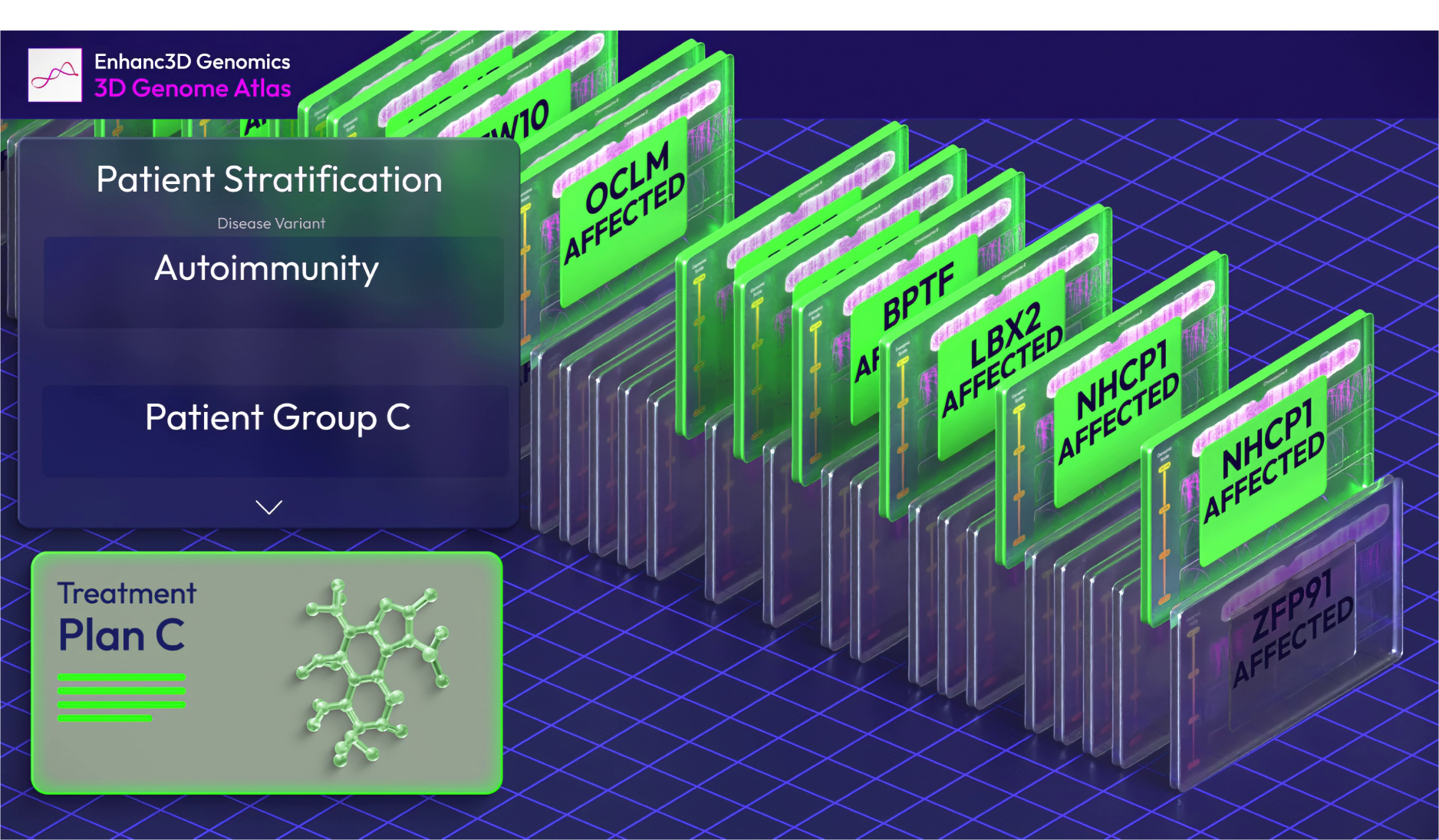
- Patient stratification: Enhanced Genomics can help to identify patient subgroups that are more likely to respond to specific treatments, enabling more personalised medicine.
- Disease mechanism understanding: By studying 3D genome interactions, Enhanced Genomics can gain a deeper understanding of the underlying biological processes involved in diseases.
What are the opportunities and challenges?
Enhanced Genomics faces both opportunities and challenges in its quest to revolutionise drug discovery. Key opportunities include:
- Accelerating drug development: The technology has the potential to significantly speed up the drug discovery process by identifying promising targets and validating their therapeutic potential.
- Personalised medicine: By enabling patient stratification, Enhanced Genomics can contribute to the development of more personalised treatments.
- Collaboration opportunities: The company can collaborate with pharmaceutical companies, academic institutions, and other research organisations to advance its technology and applications.
However, challenges also exist, such as:
- Data analysis complexity: Analysing 3D genome data requires advanced computational tools and expertise.
- Regulatory hurdles: Navigating regulatory landscapes to ensure the safe and effective use of the technology can be complex.
- Market adoption: Gaining widespread adoption of the technology within the pharmaceutical and biotechnology industries may require significant effort.
What are the future trends?
Enhanced Genomics is focused on expanding its 3D genome atlas and developing new applications for its technology. Future trends include:
- Integration with other genomic data: Combining 3D genome data with other genomic information, such as transcriptomics and epigenomics, can provide a more comprehensive understanding of cellular processes. 3D genomics introduces a new vertical, cutting through the layers of other omics data for deeper insights.
- Next-generation analysis pipeline: Utilising artificial intelligence to analyse large-scale 3D genome data can accelerate insights and discovery.
- Clinical applications: Enhanced Genomics aims to develop clinical applications of its technology, such as companion diagnostics for targeted therapies.
By addressing these challenges and capitalising on emerging trends, Enhanced Genomics is well-positioned to become a leading player in the field of 3D genomics and revolutionise drug discovery and development.
Case study
What does the company do?
OutSee has a unique technology for genomics analysis, called Nomaly, peer-reviewed and published in Nature Communications last year (Lu et al. Nature Communications, 2023). OutSee are initially applying the technology for target discovery but it also has clear applications in stratification for precision medicine. They are working on internal programmes for discovery in high-leverage disease areas for the technology and also partnering with big pharma whilst doing smaller projects with biotechs.
How does the technology work?
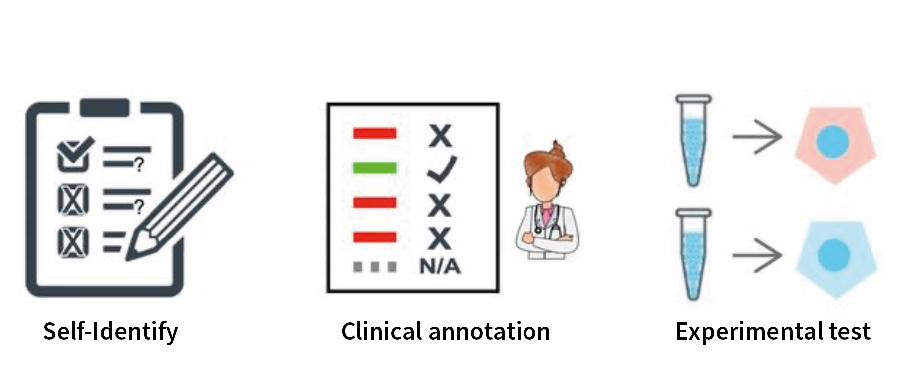
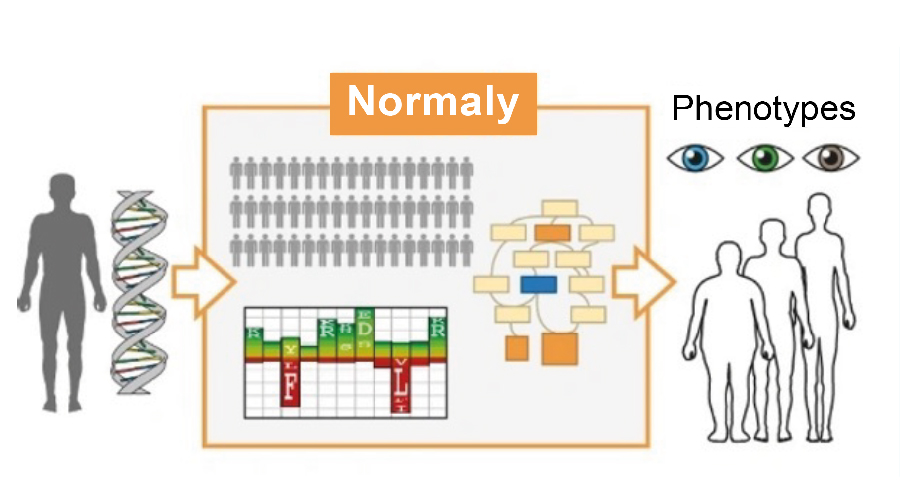
The technology uses an AI engine encoded with knowledge of molecular and cell biology to do blind predictions of disease and other phenotypes from a genome. By making predictions on many genomes and assessing when the predictions are correct, it outputs potential mechanisms that modulate disease, thus revealing therapeutic targets. Crucially, the methodology is not based on correlation, being predictive. Since it is a non-associative method, it can operate on much smaller genomic datasets and rarer variation, however, it works best on larger datasets. The predictive engine uses an array of AI statistical and machine learning methods (such as hidden Markov models, information theory, linear algebra and universal function) and is encoded with digital data on molecular, cell, pathway and disease but essentially not trained on known genetic variants.
How will it be used?
OutSee are accessing genomic datasets such as Genomics England, UKBiobank, FinnGen, plus other cohorts and as early adopters of Our Future Health. We have completed a pilot project for Astex Pharmaceuticals and have two more projects with Pharma under discussion. We will work both with Pharma and internally to uncover and validate new targets.
What are the opportunities and challenges?
The main opportunity is that we have a radically different technology to association-based methods, which have a lot of overlap with each other, where we have clear open space to explore with little scientific competition. There is the potential to have a massive impact globally on genomics and substantially increase the medical and scientific output from existing and future genomics datasets beyond the current state of the art.
Being so novel and well-differentiated, the main challenge for OutSee is communicating the technology and achieving adoption of our predictive approach within a field that is strongly focused on associative approaches in which a great deal has been invested.
What are the future trends?
Whilst the technology is already mature and being deployed, OutSee have two InnovateUK grants that will allow them to extend the technology in two key directions: non-coding DNA and somatic variation (including oncology). OutSee will also explore precision medicine applications on top of our target discovery activities.
 Access to data – the UK SME picture
Access to data is a key policy issue for TechBio companies. There are a variety of technical and governance challenges in accessing data that BIA is working to overcome.
But the line between life sciences and technology is blurring even beyond TechBio. As technology is adopted across the life science sector, it will become a foundation of all R&D activities. Health data is, therefore, a key enabler of innovation across the life science sector; companies use it for a multitude of purposes throughout the drug discovery and development pipeline. They also invest a lot of time and resources into applying for access to data. SMEs are disproportionately affected by data access challenges, due to their more limited resources. Given the significant work underway to improve access to health data, we wanted to highlight the SME landscape in the UK.
BIA surveyed SMEs in membership from across the sector to understand more about what they use data for, where they go for data, and how they expect this to change in the future.
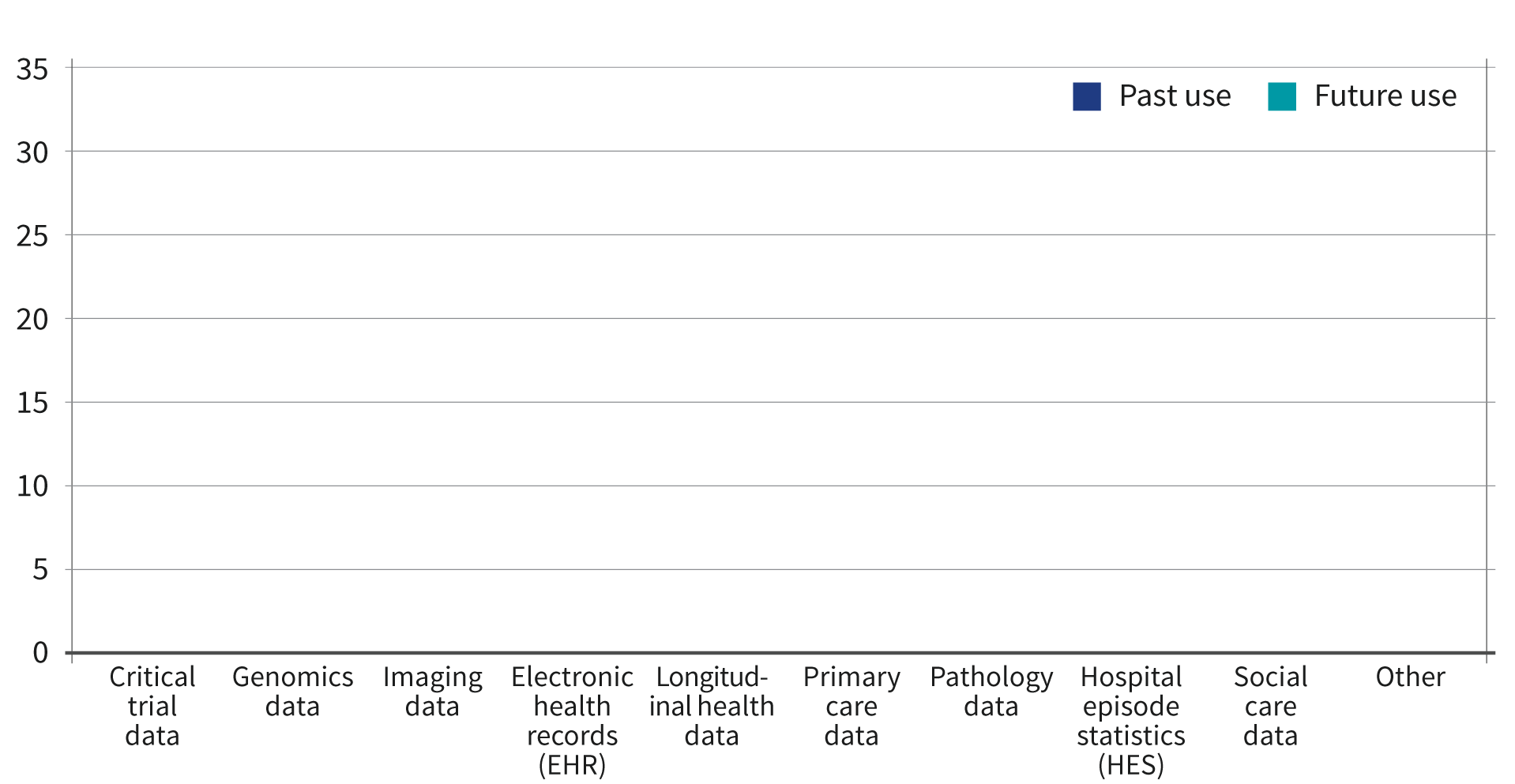
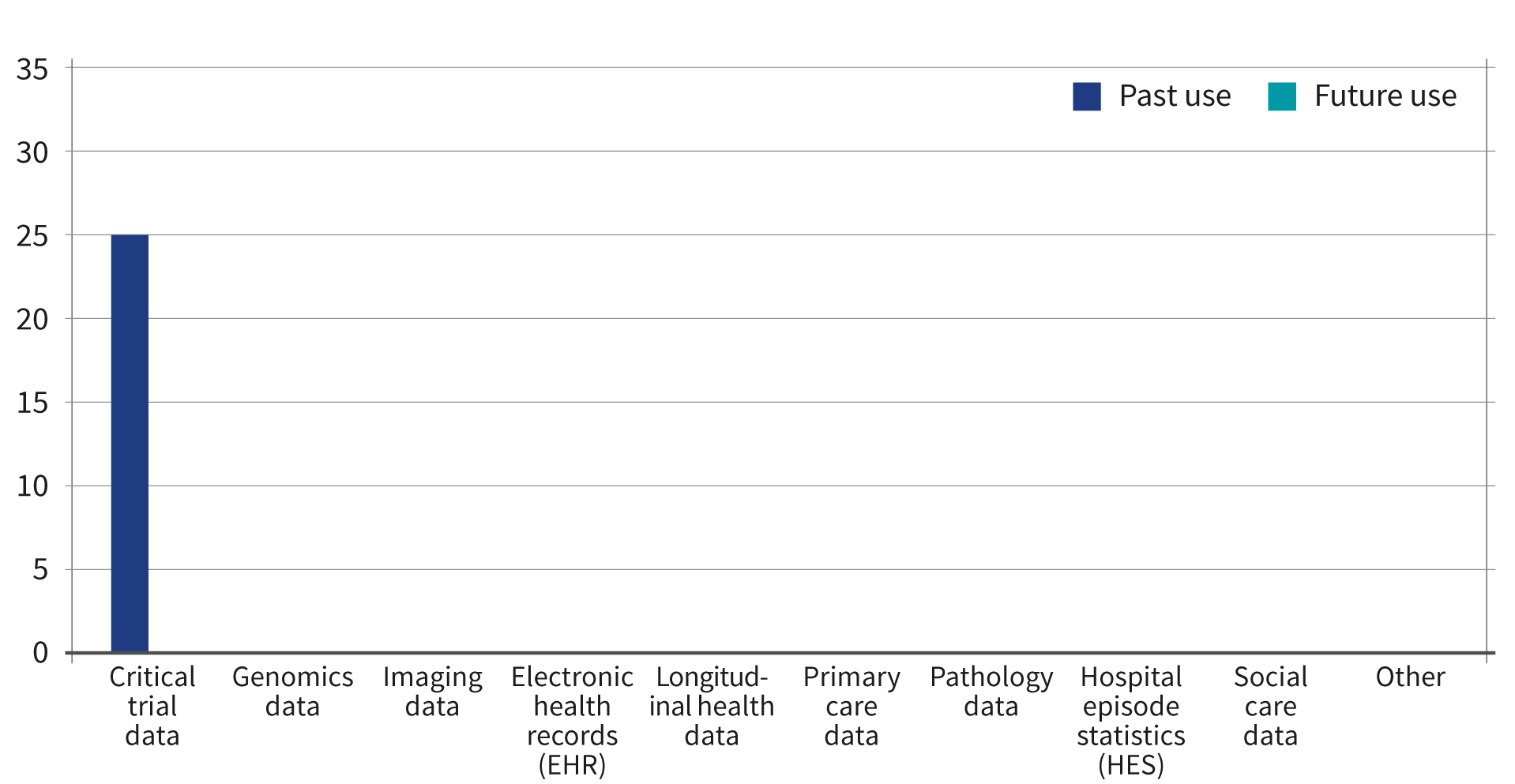
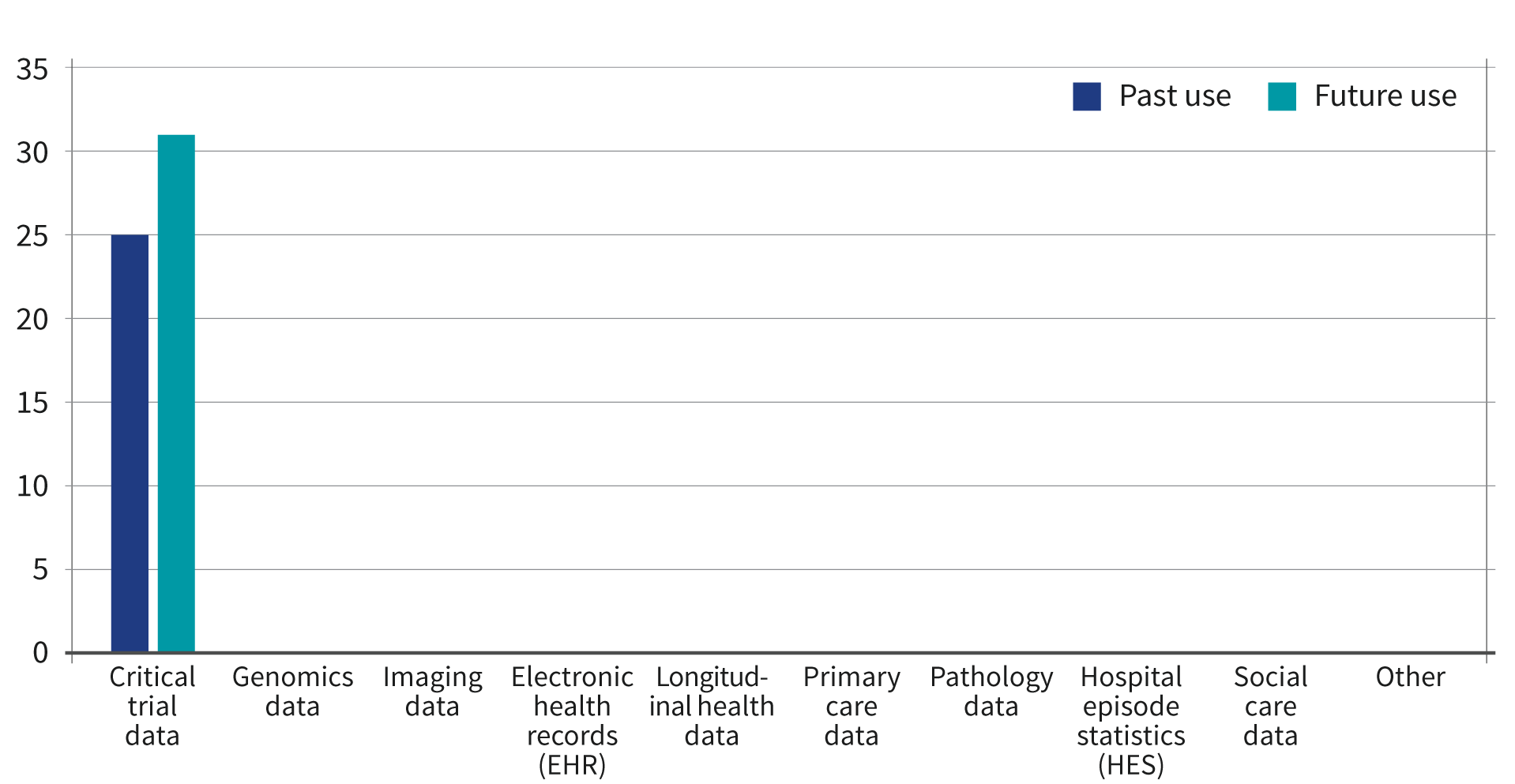
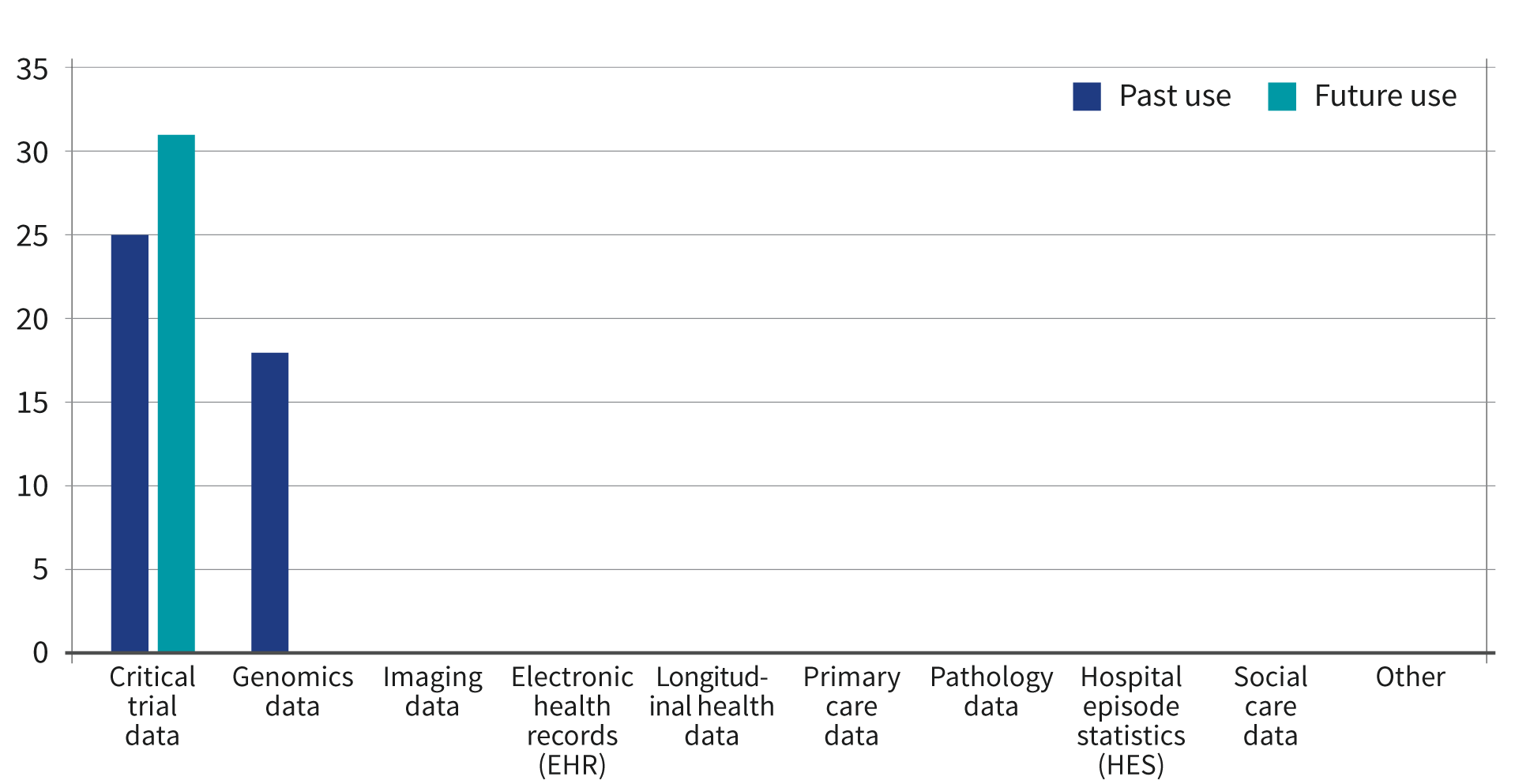
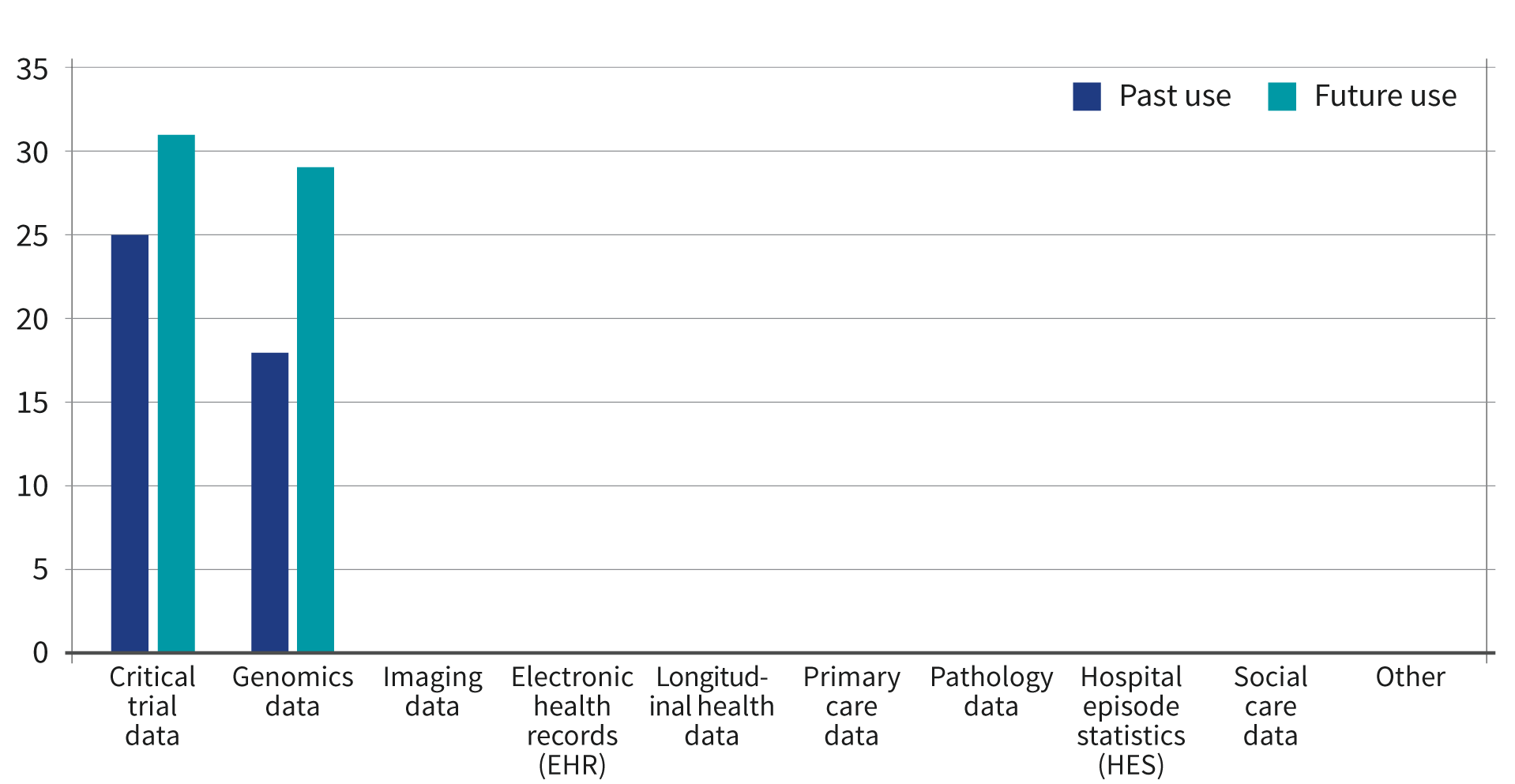
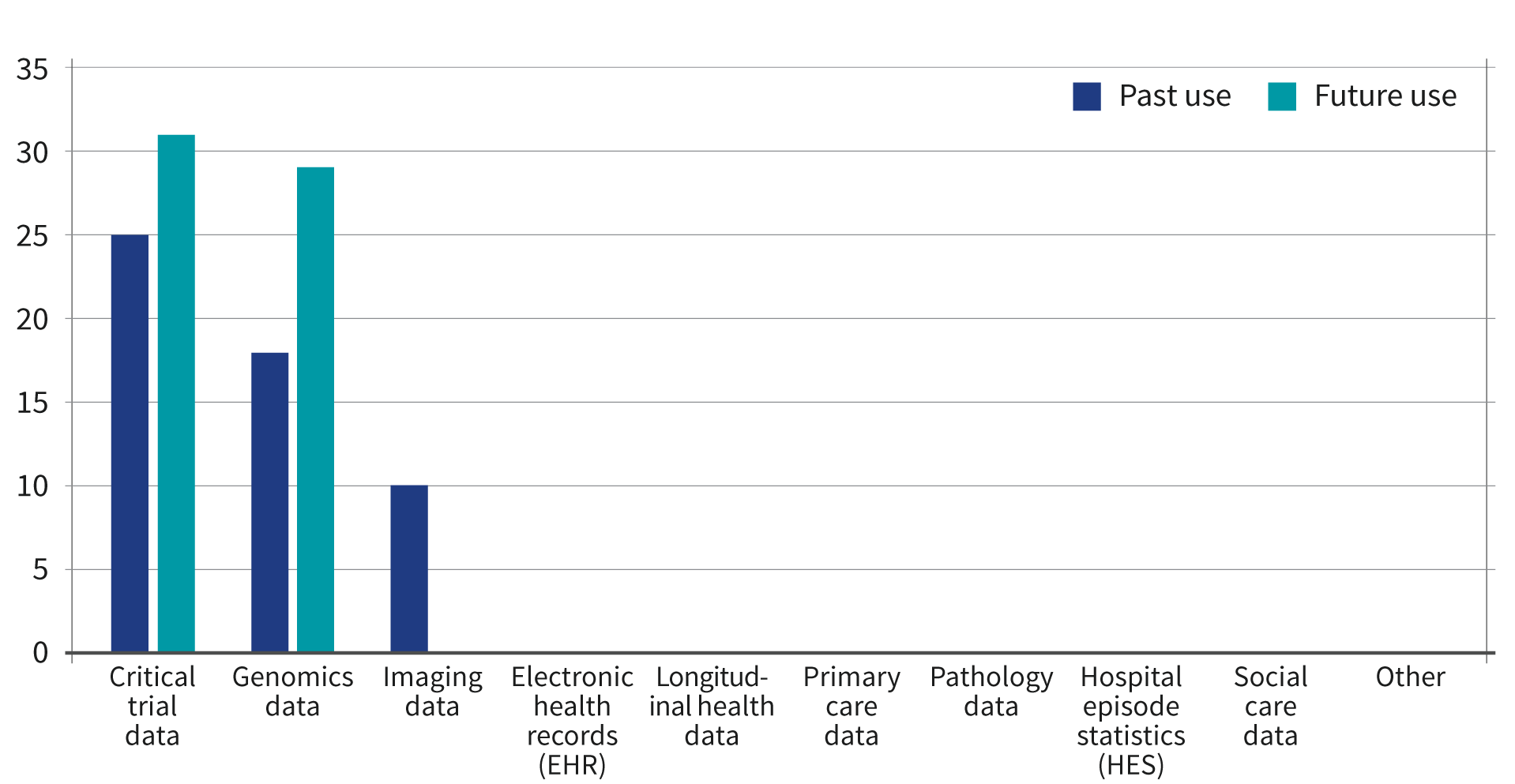
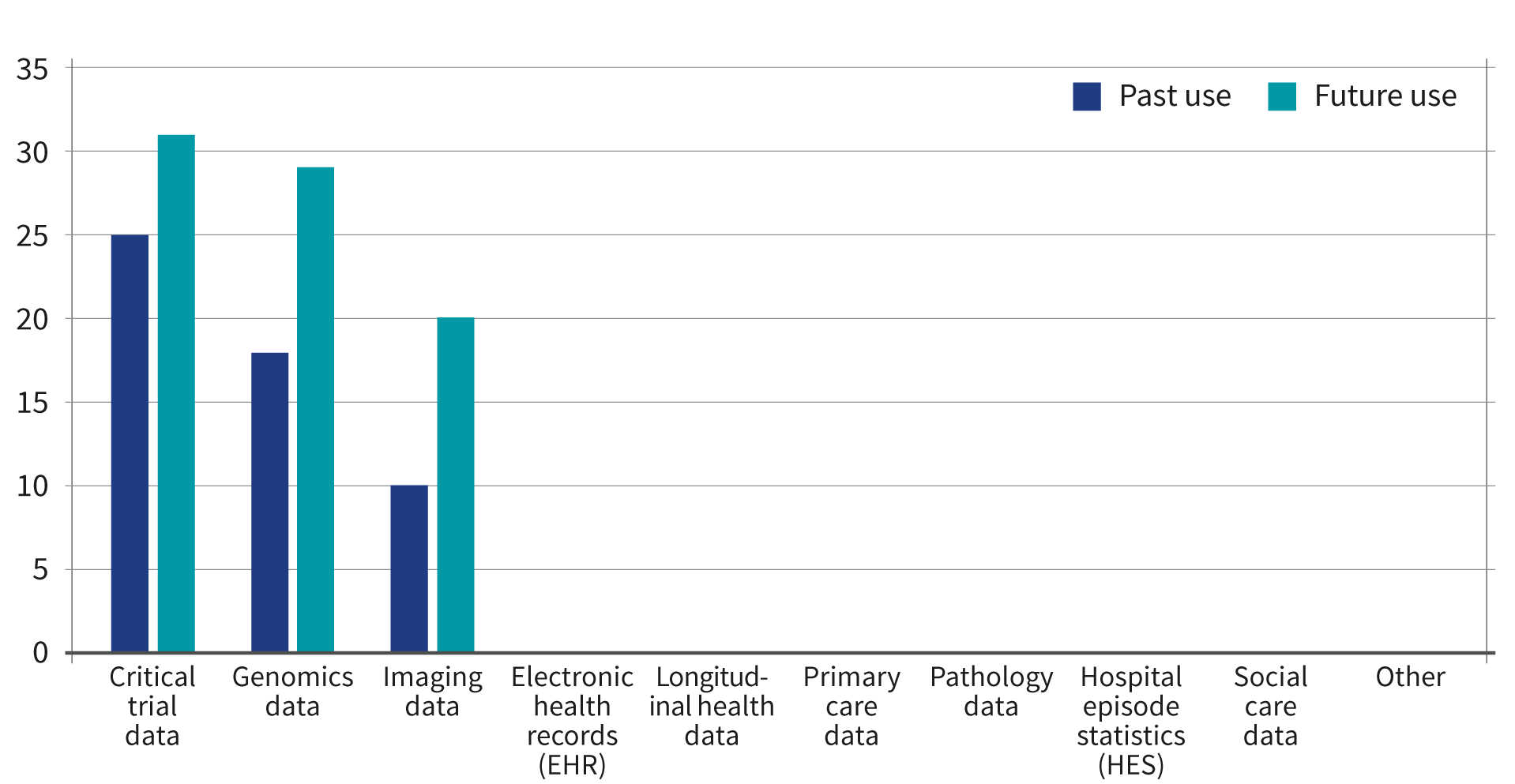
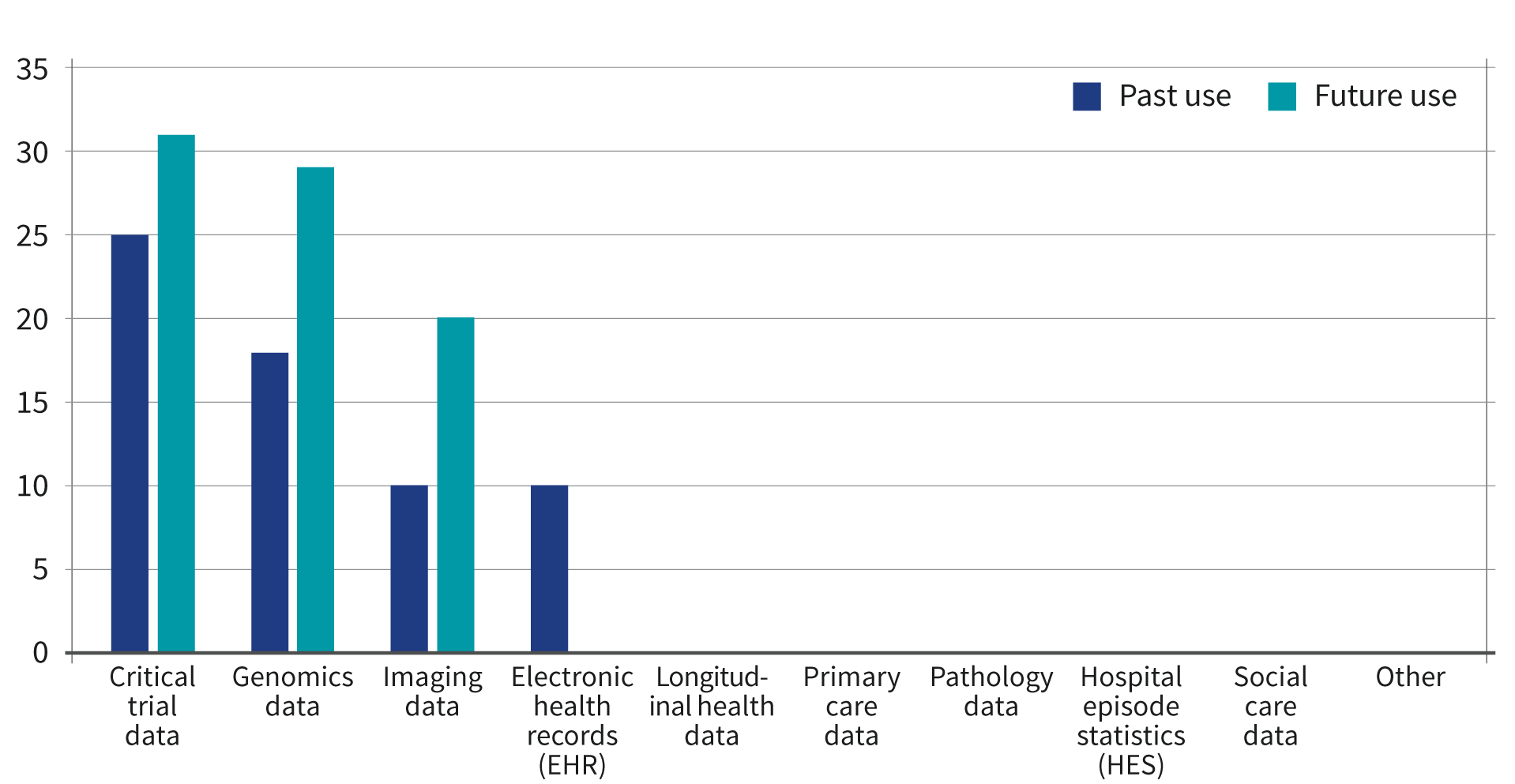
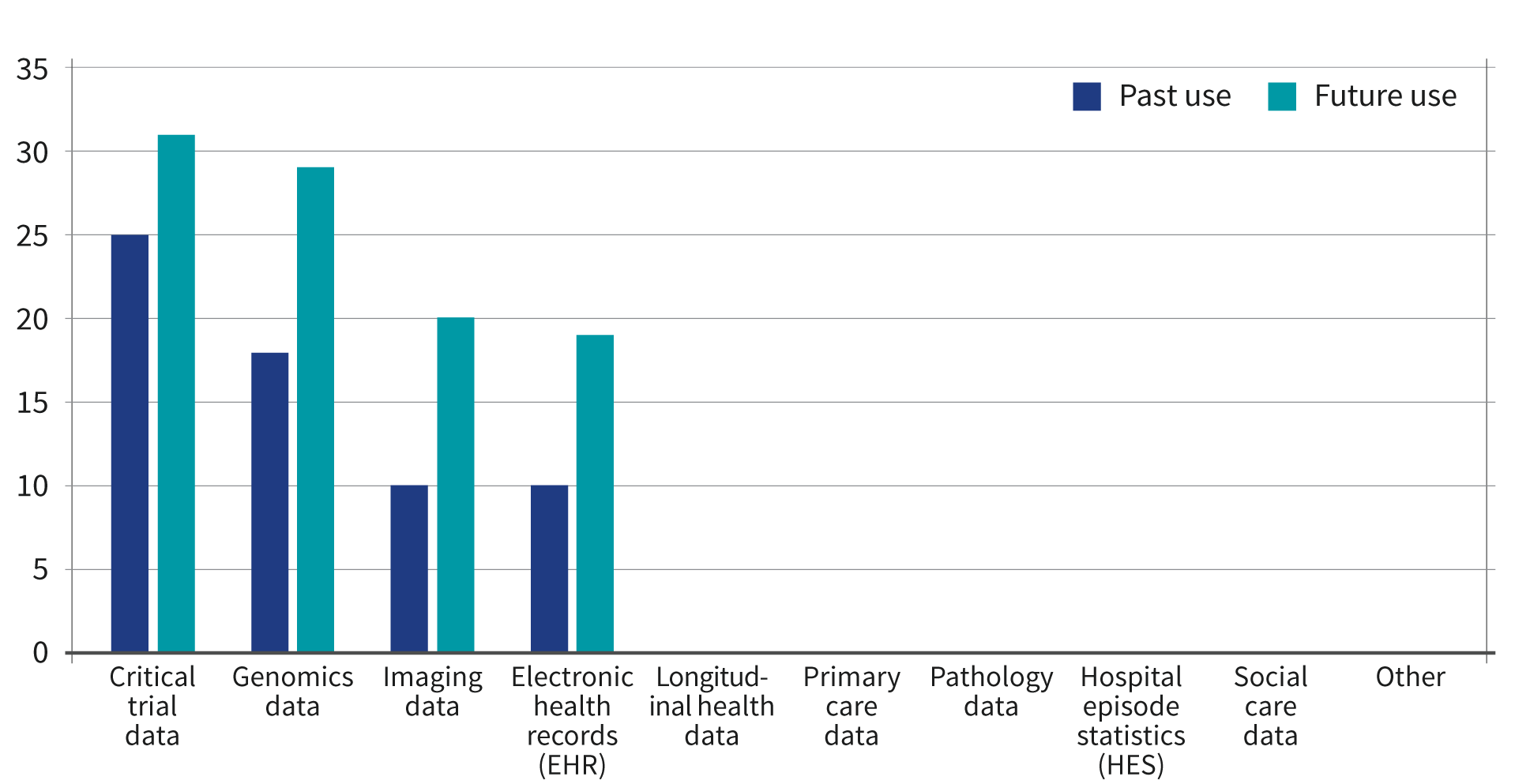
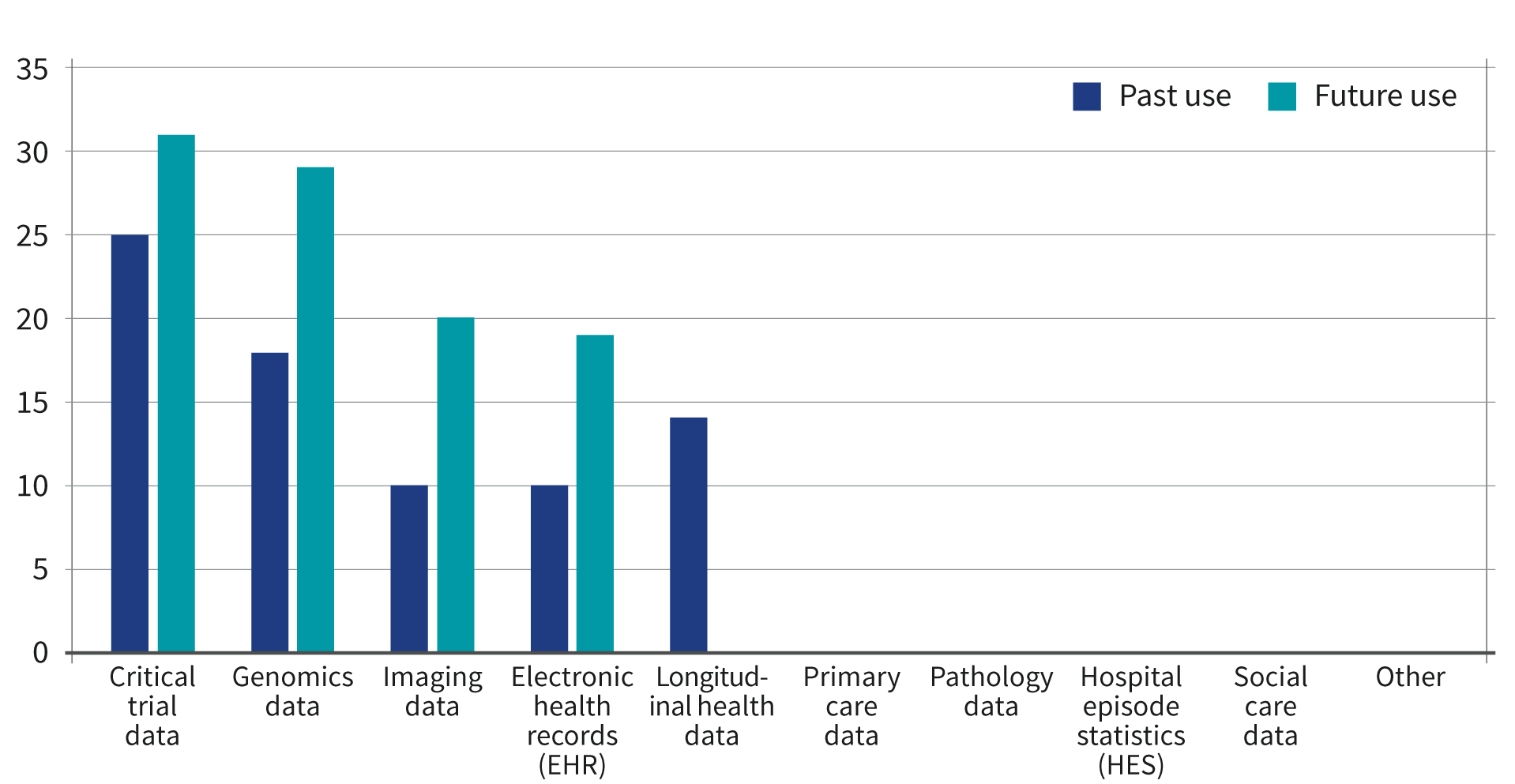
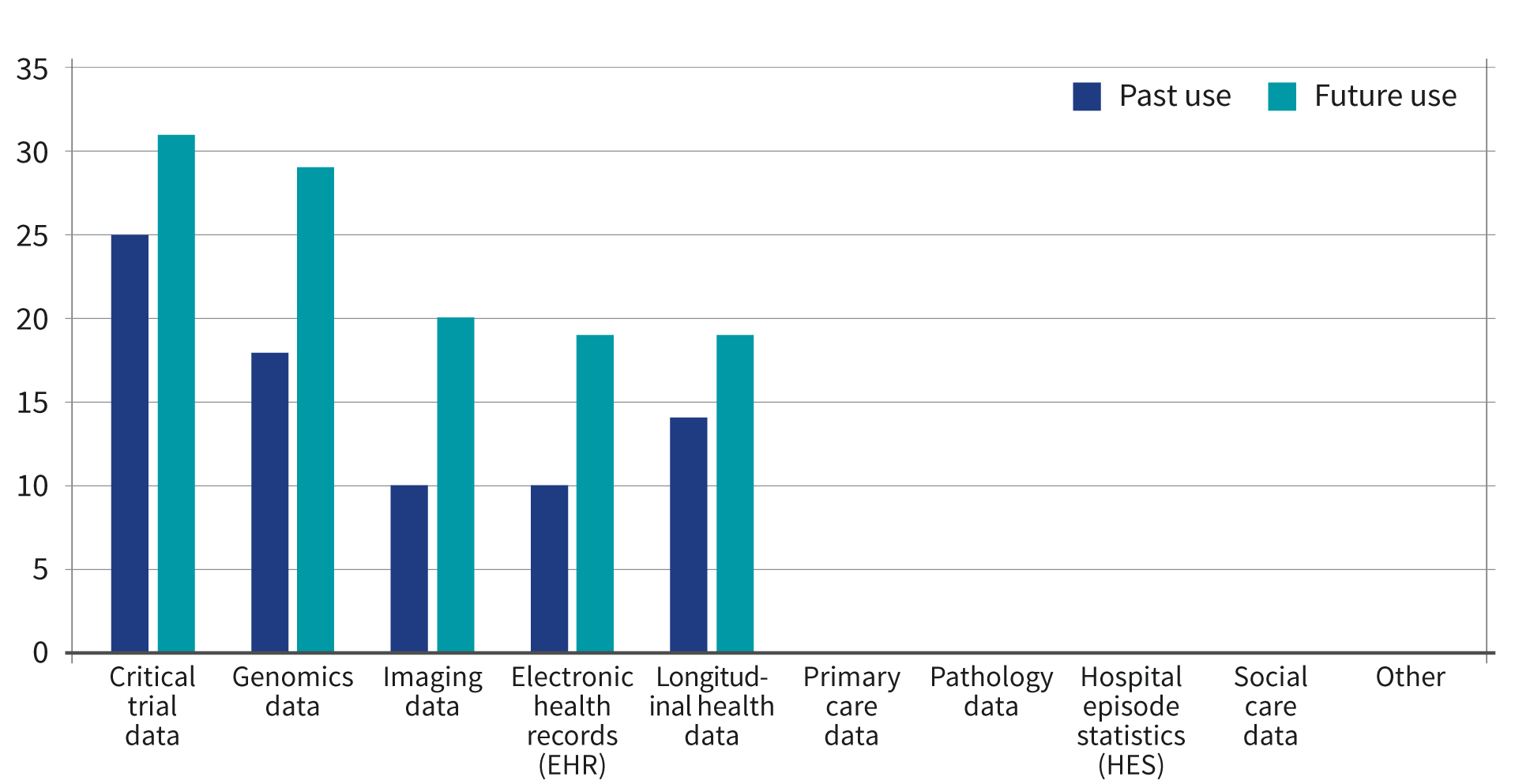
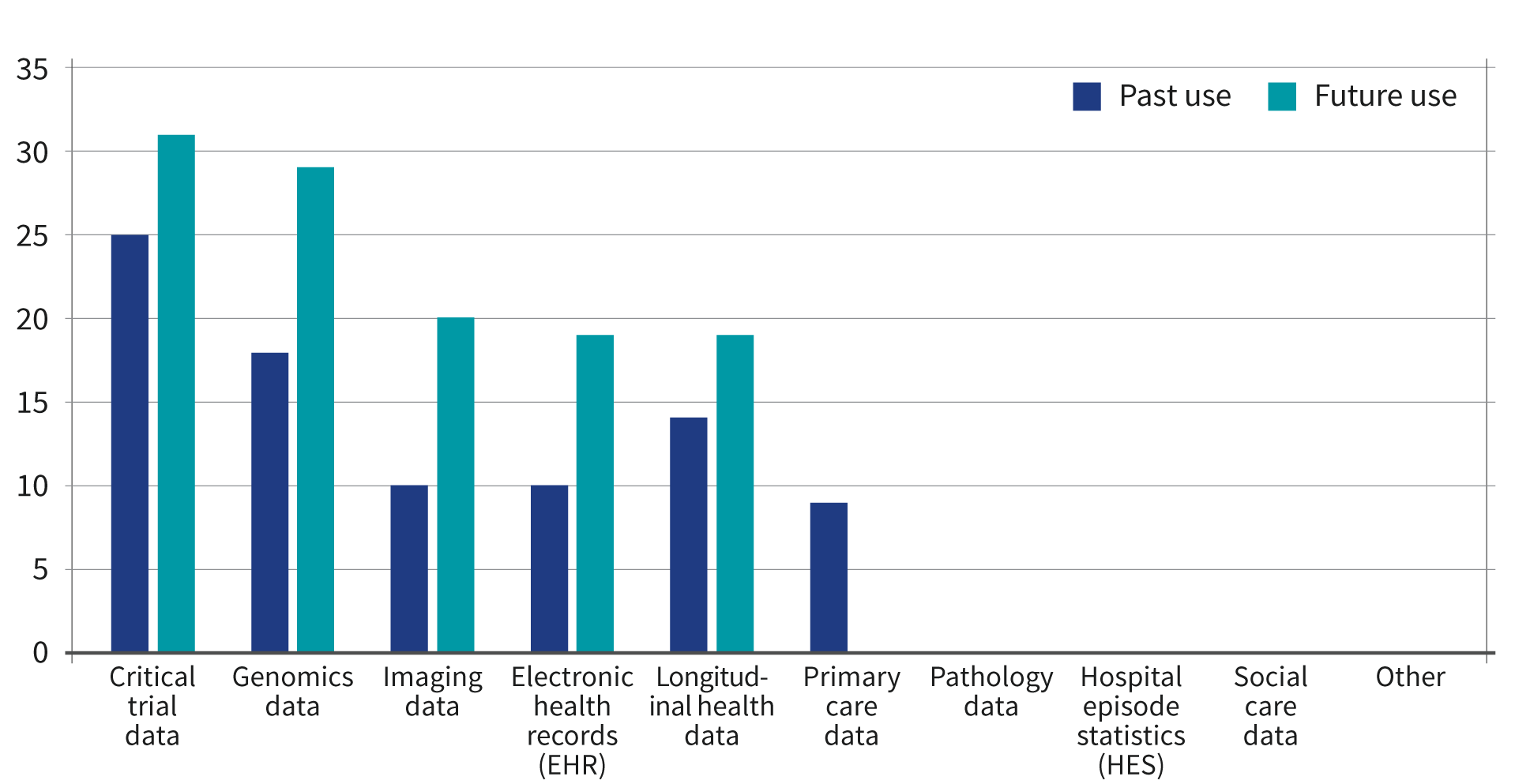
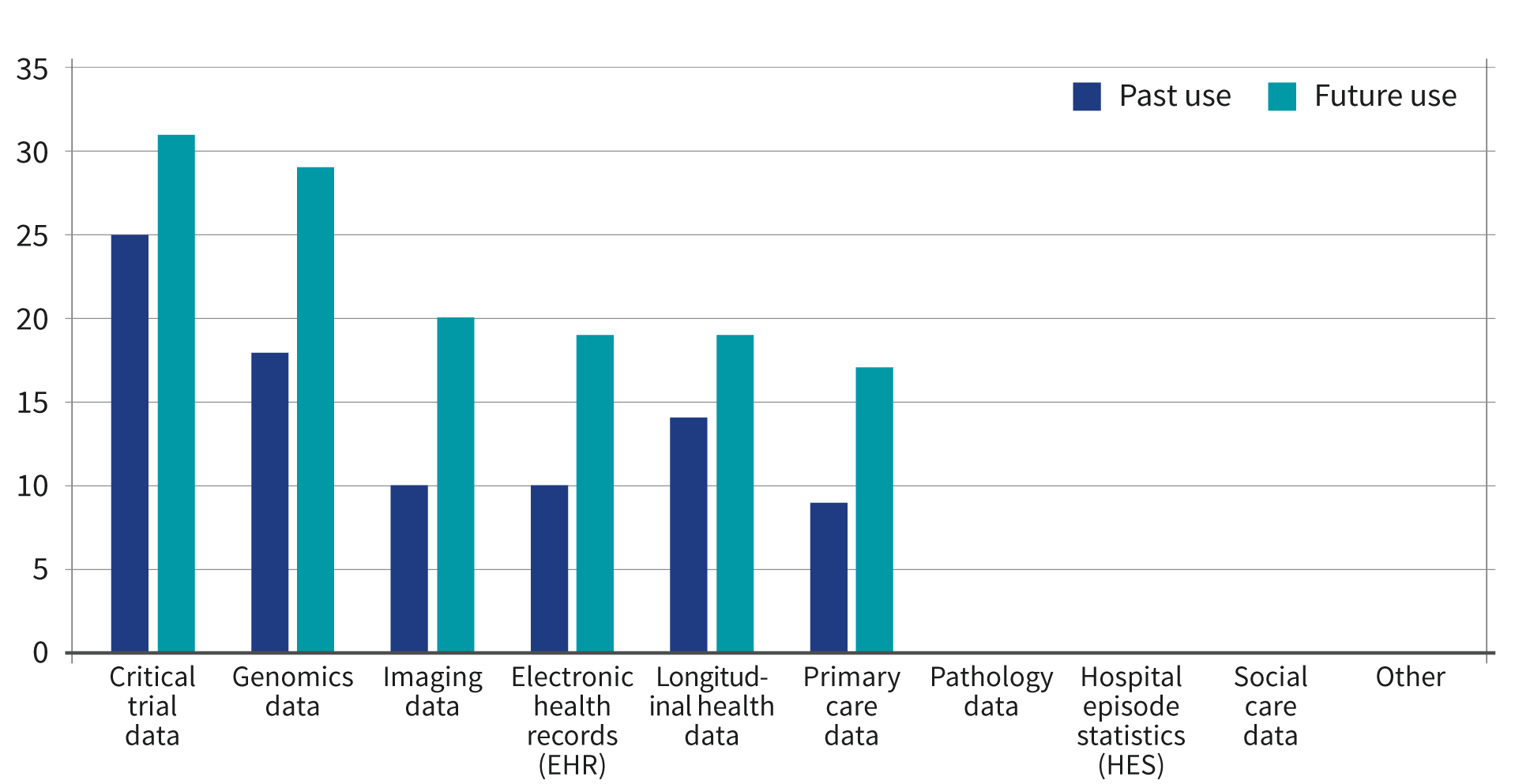
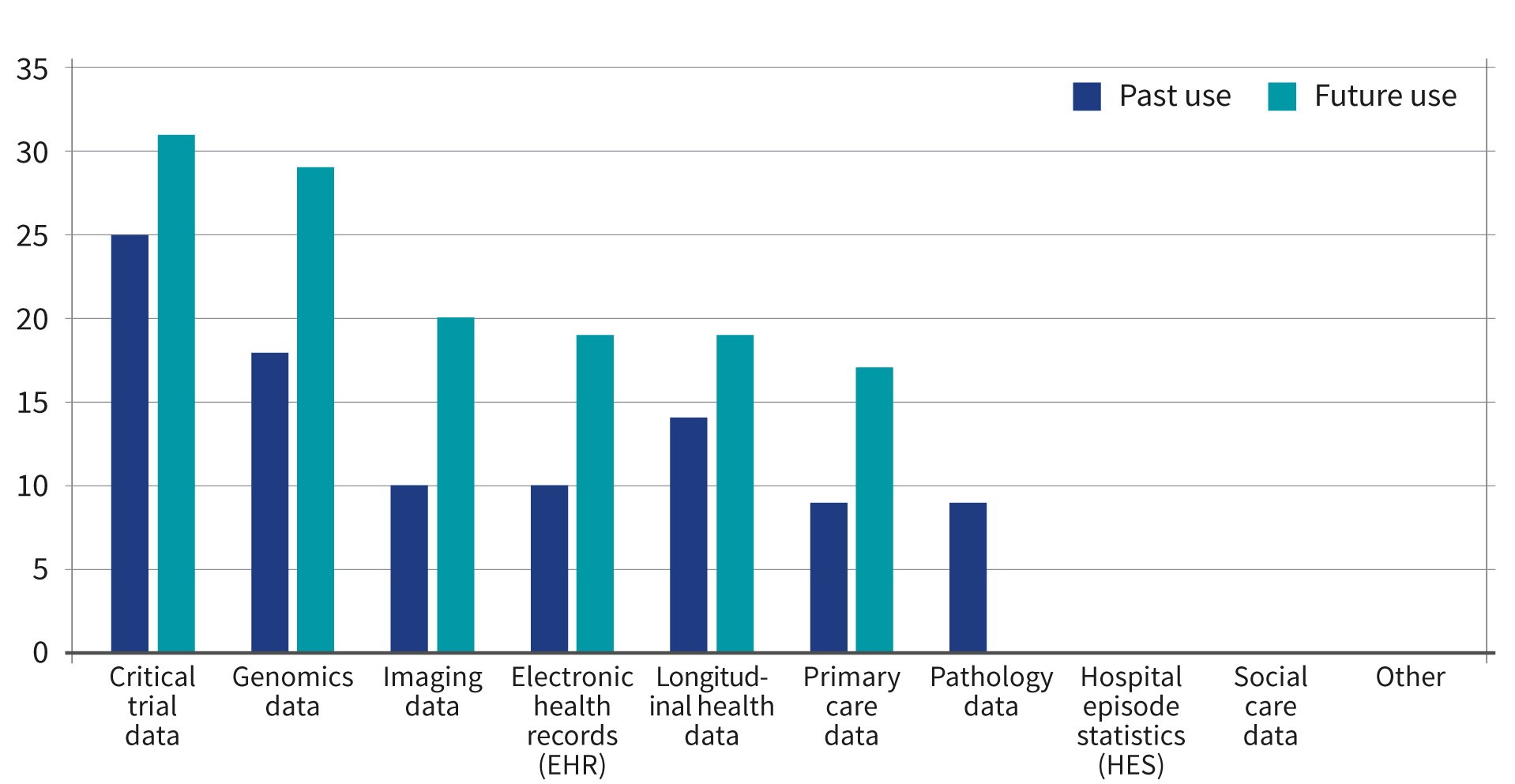
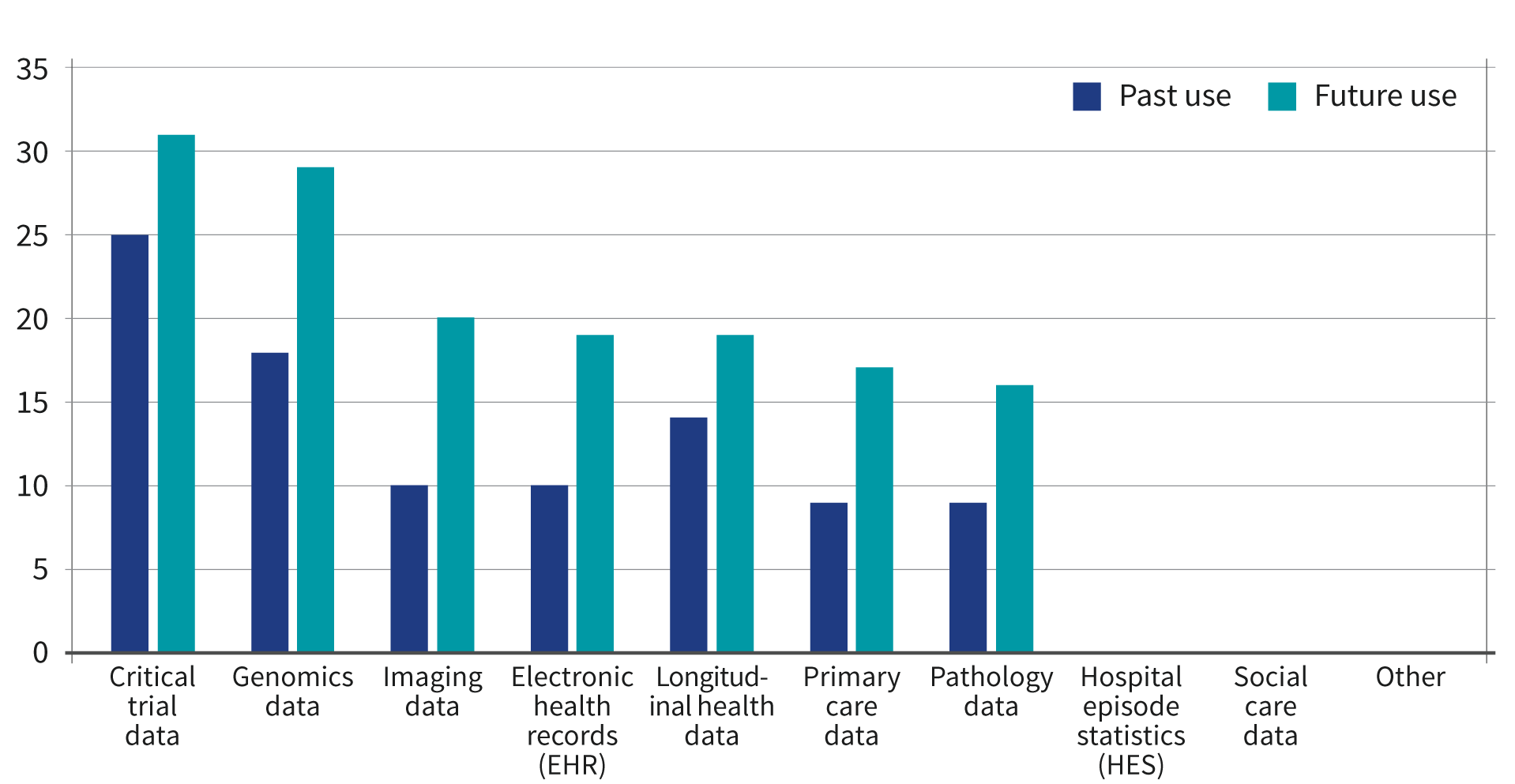
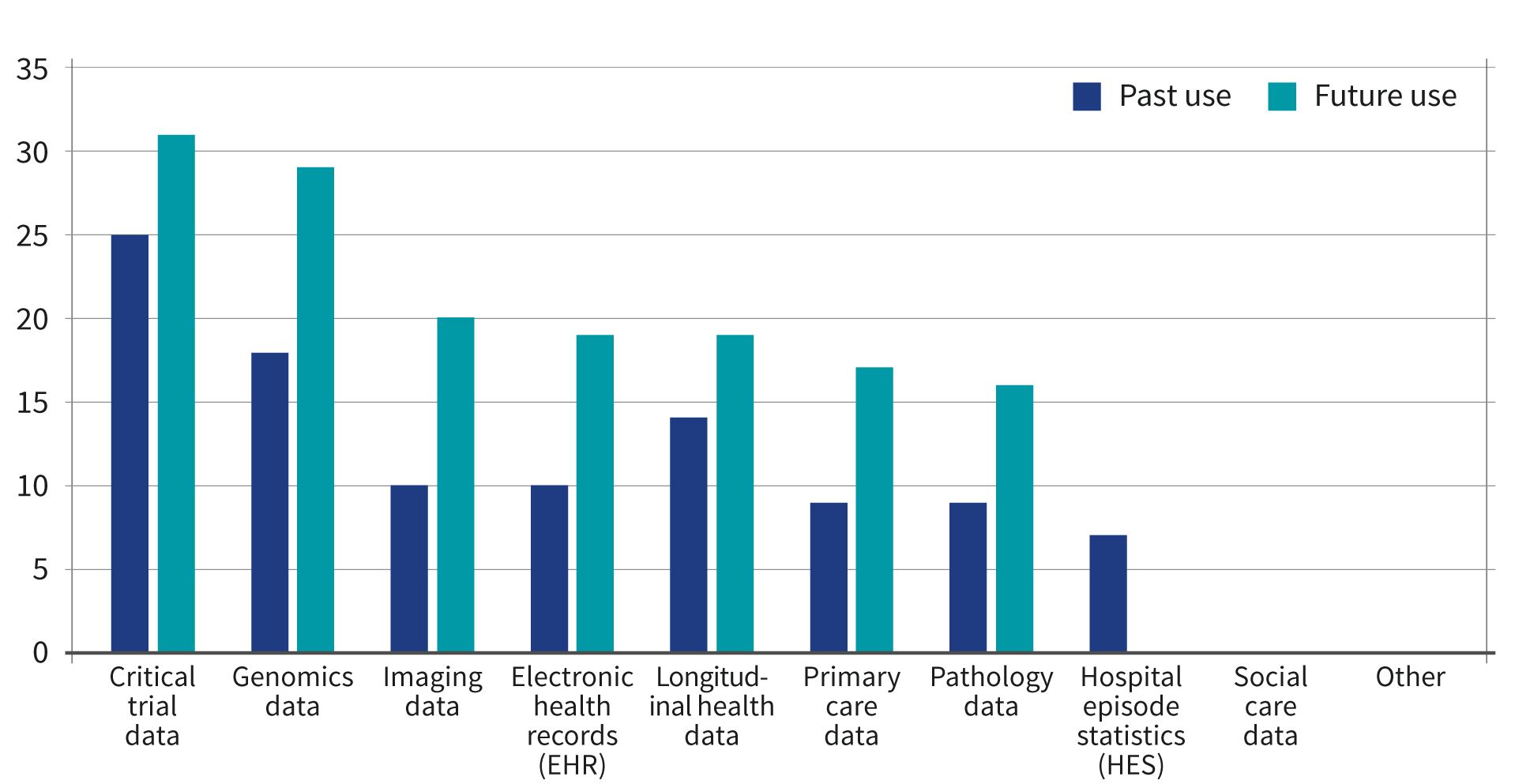
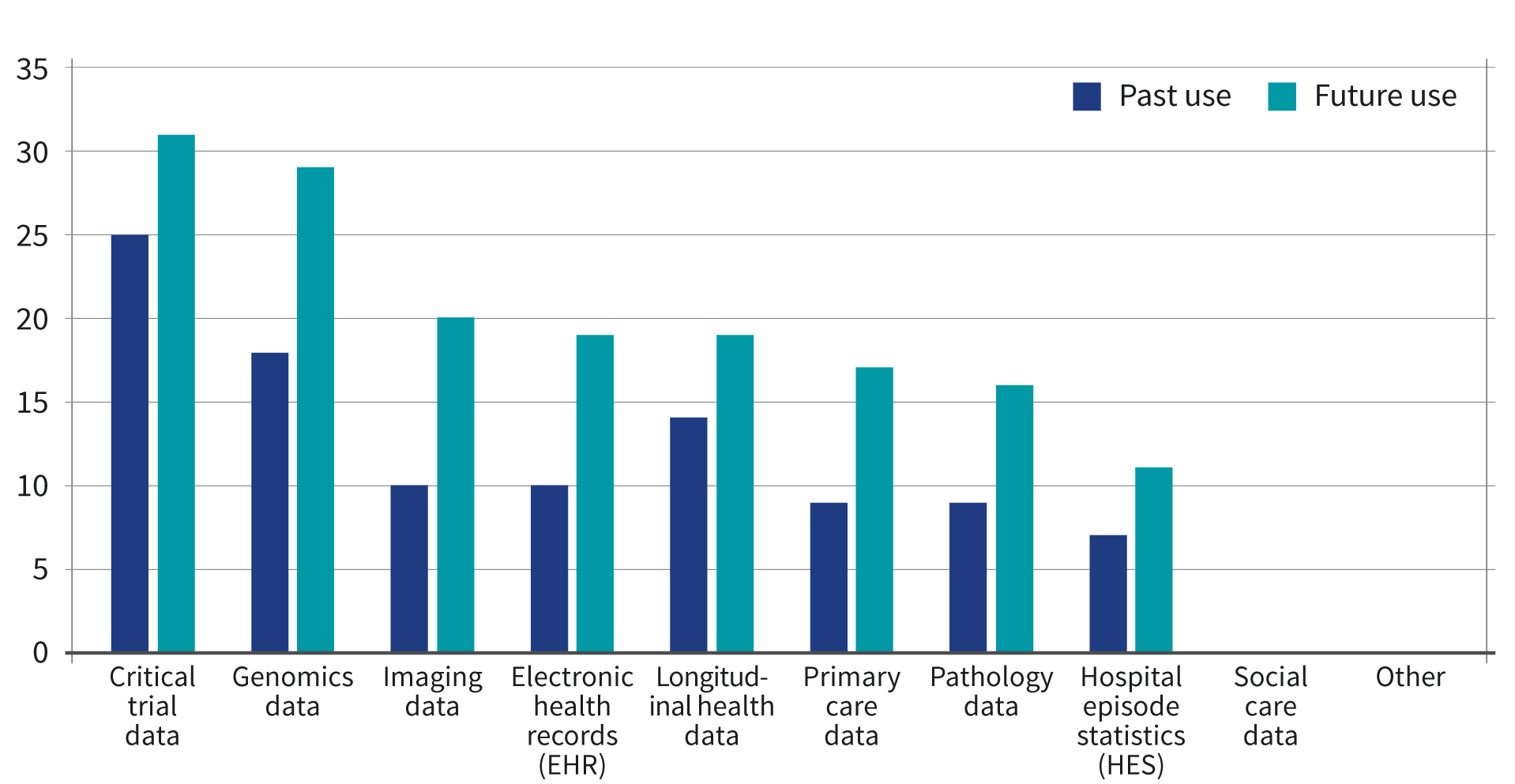
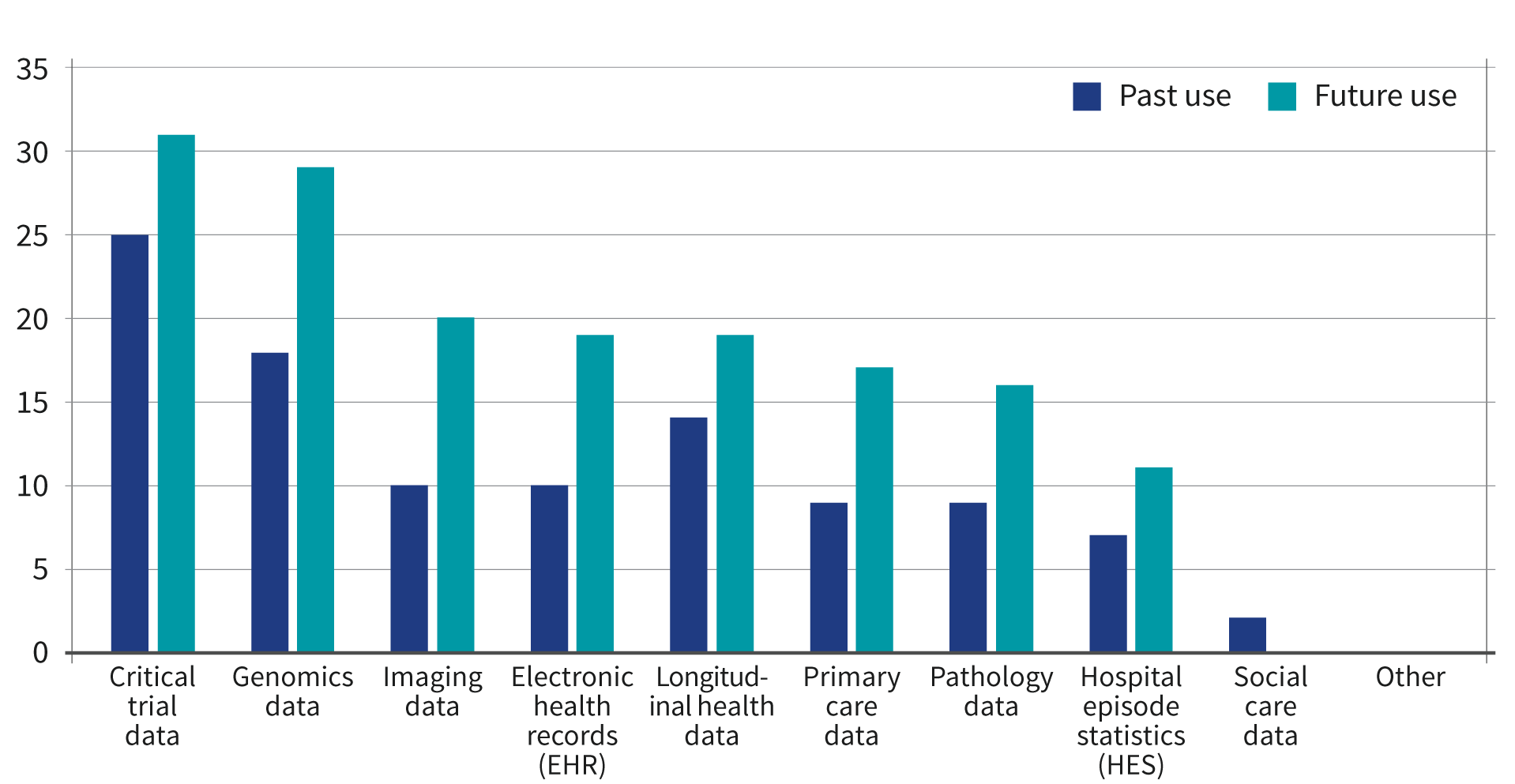
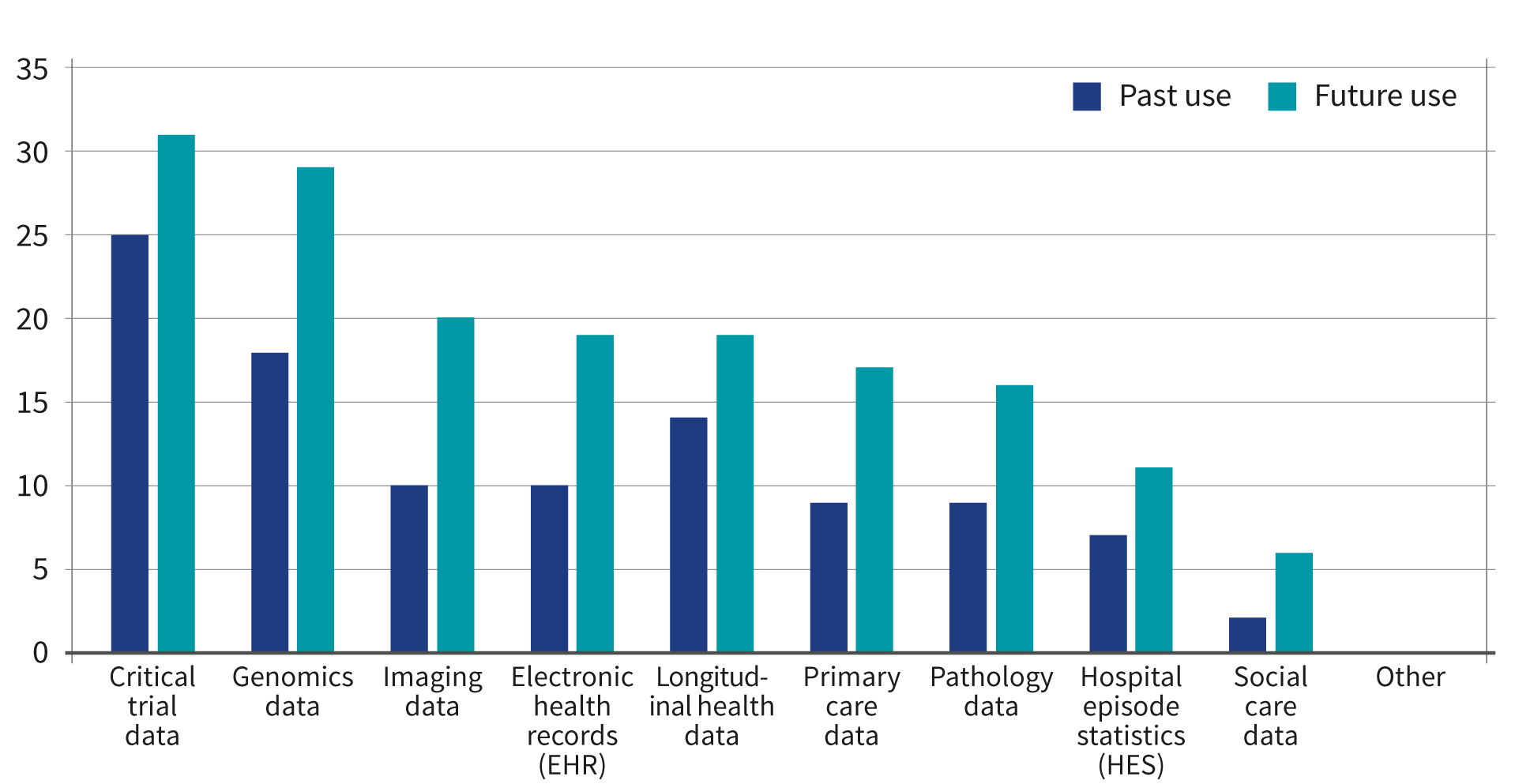
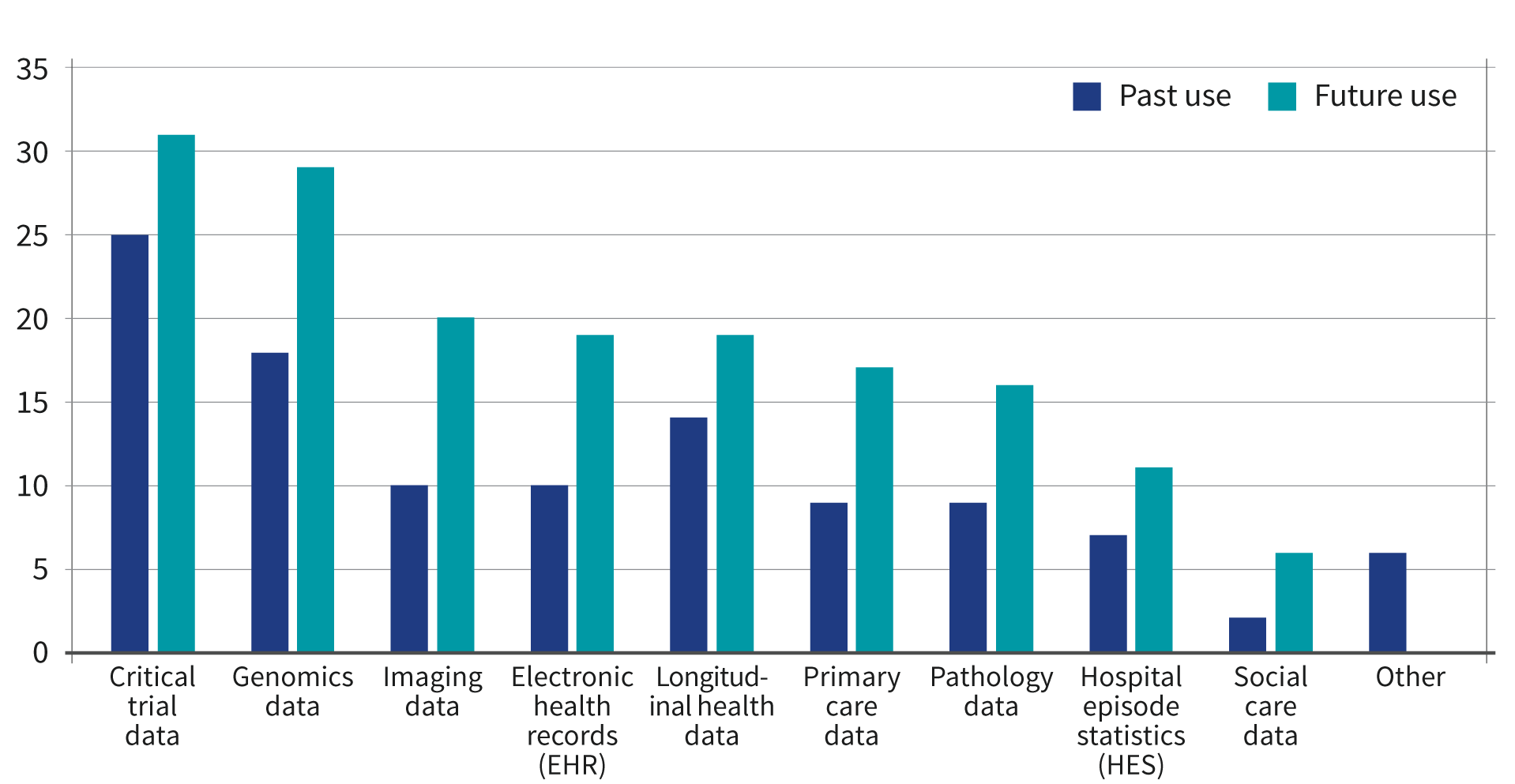
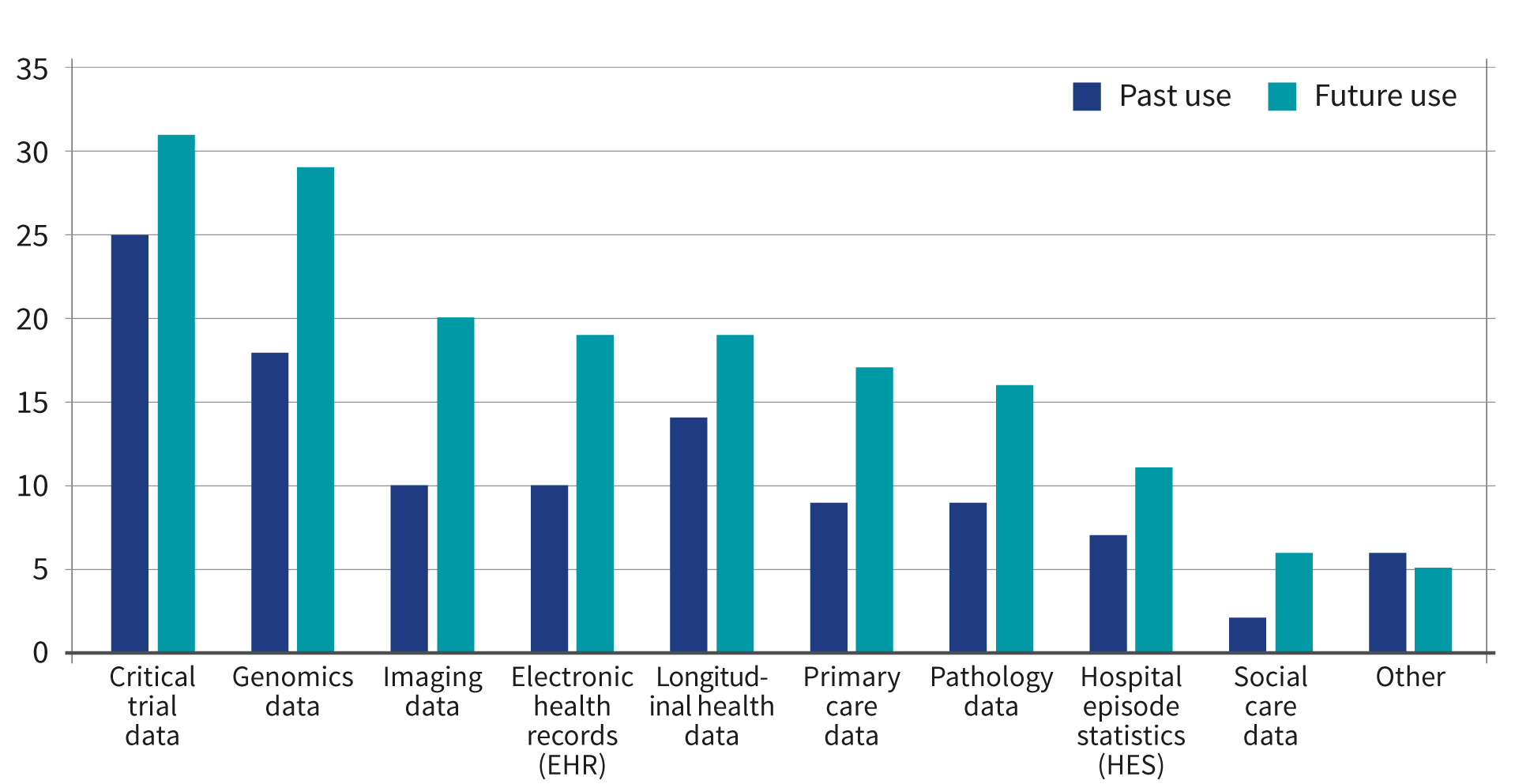
Firstly, we wanted to share what type of data companies use and what they do with it. Clinical trial data and genomics data were popular types of data accessed in the previous three years. However, both imaging data and electronic health records showed a two-fold increase in the number of respondents hoping to access in the future. In general, the trend was toward increased demand for data from all sources in the next five years, indicating that this will remain an important policy topic.
Types of health data used by life science SMEs
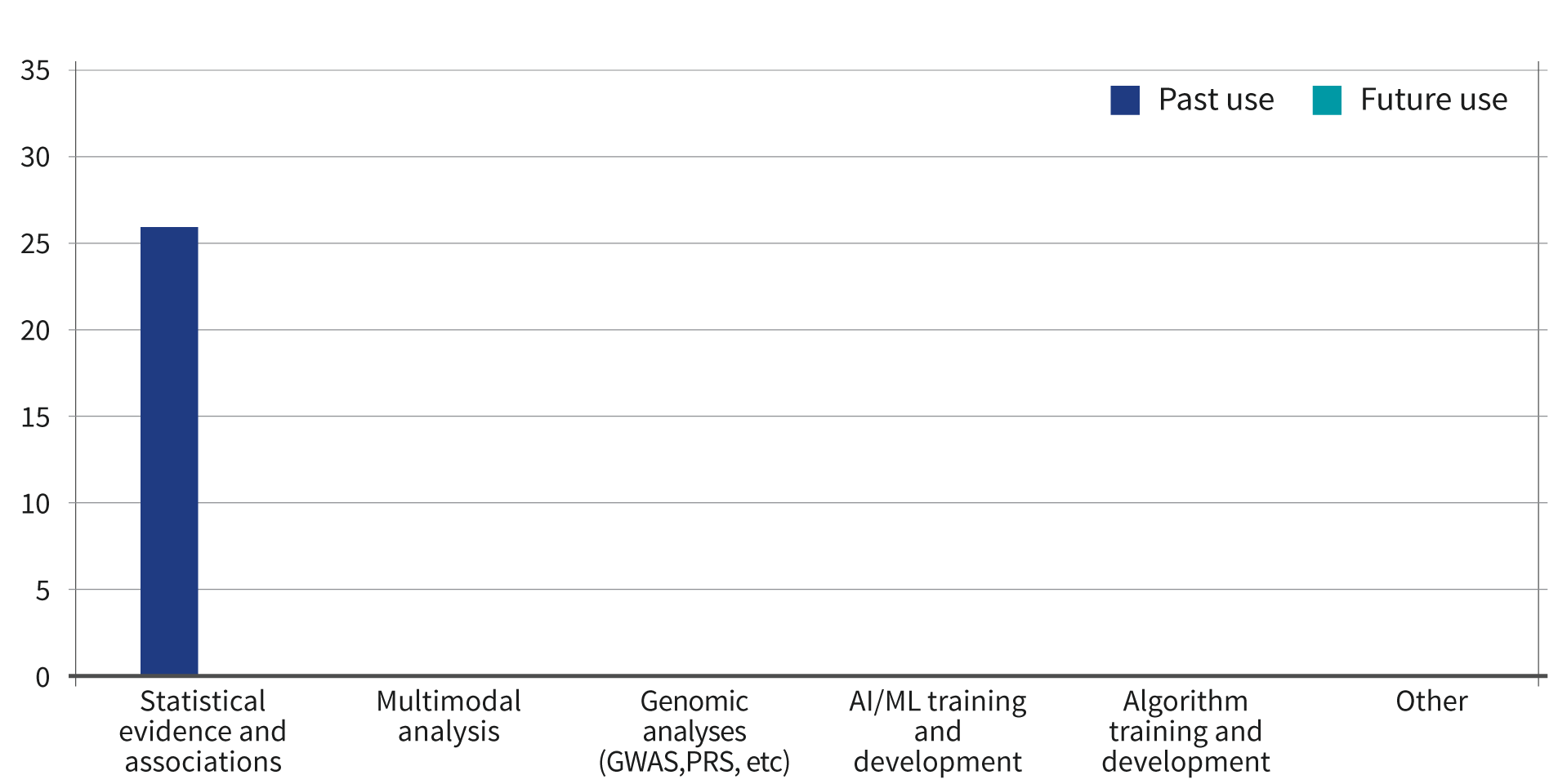
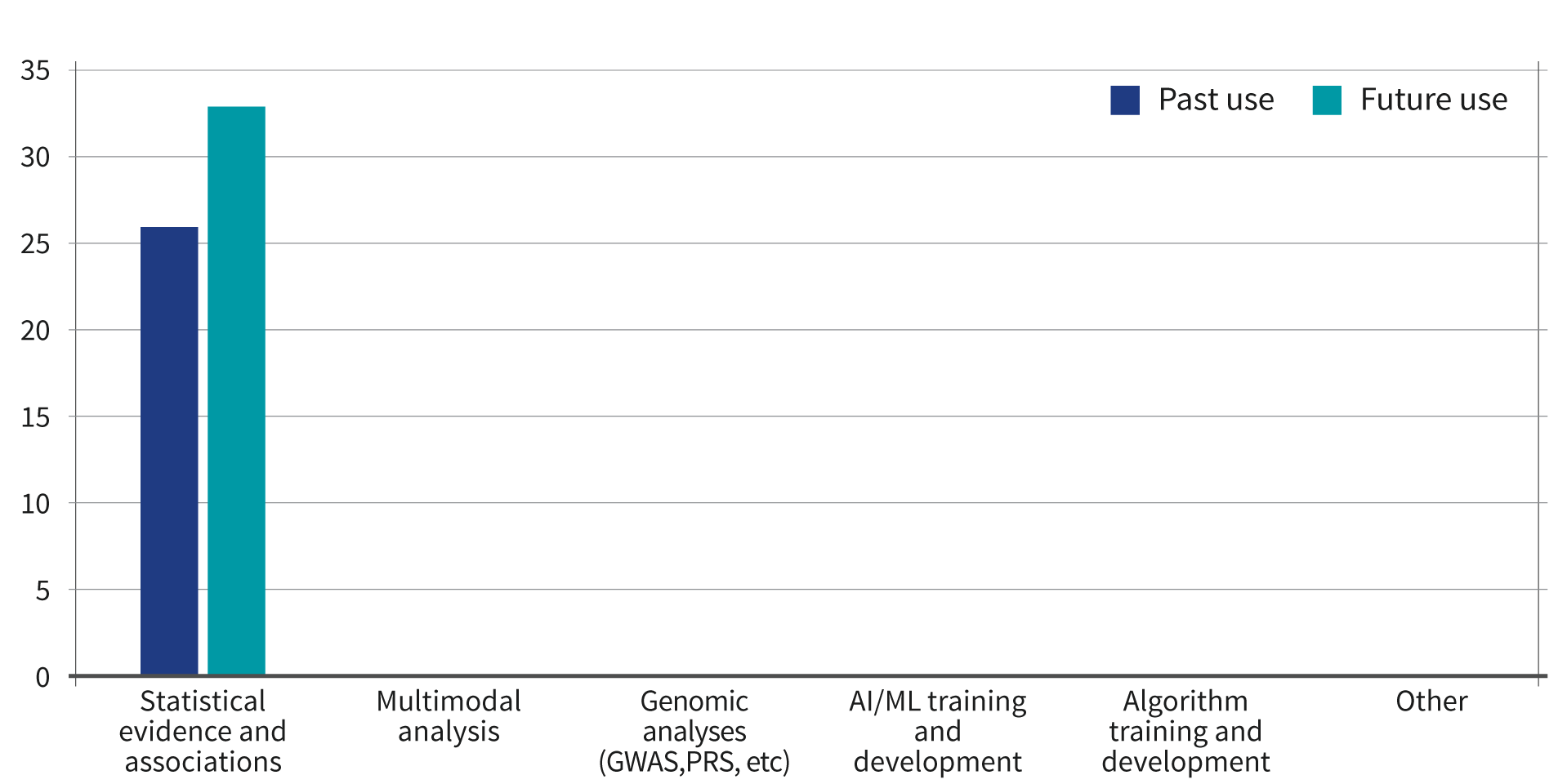
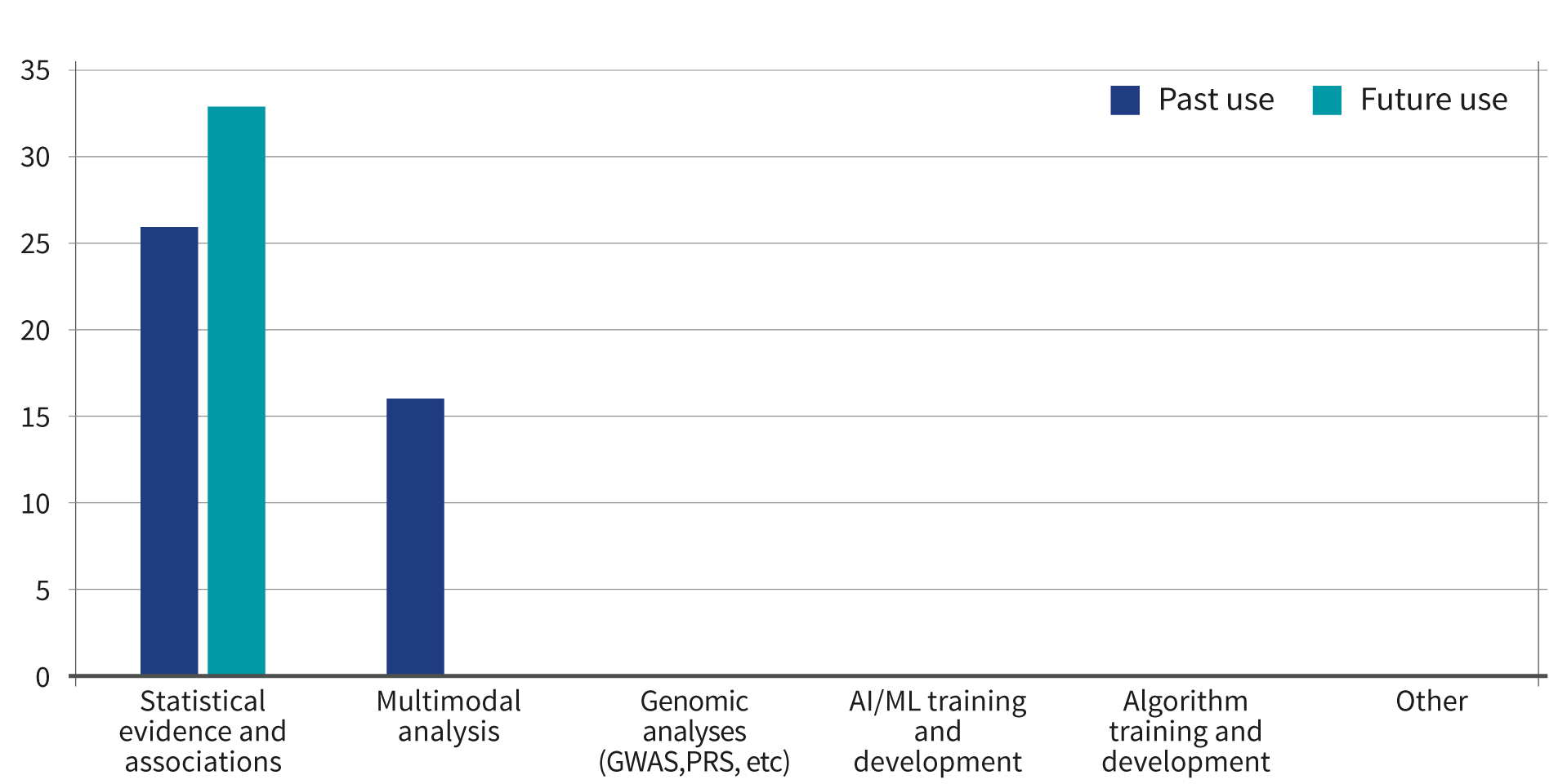
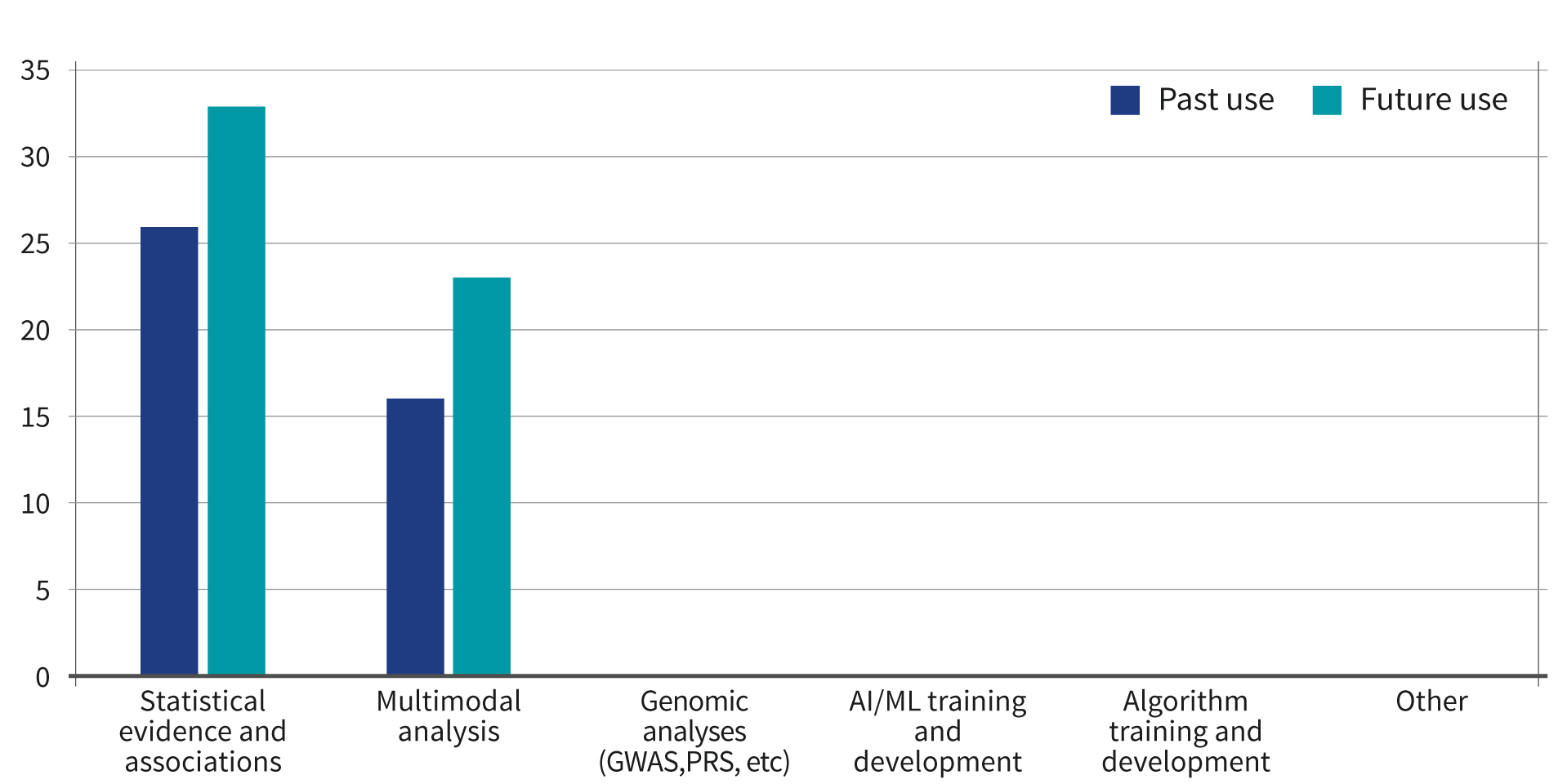
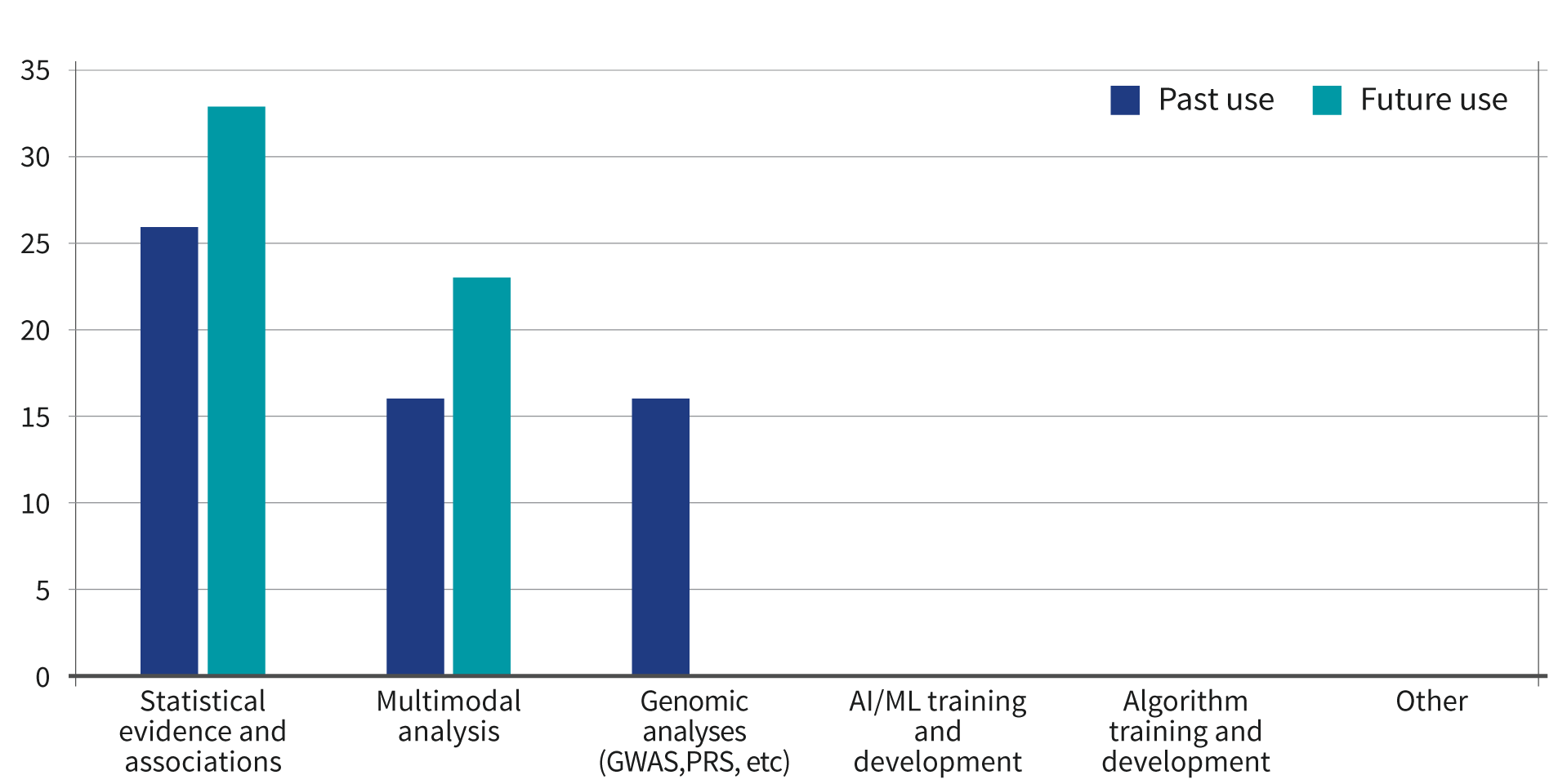
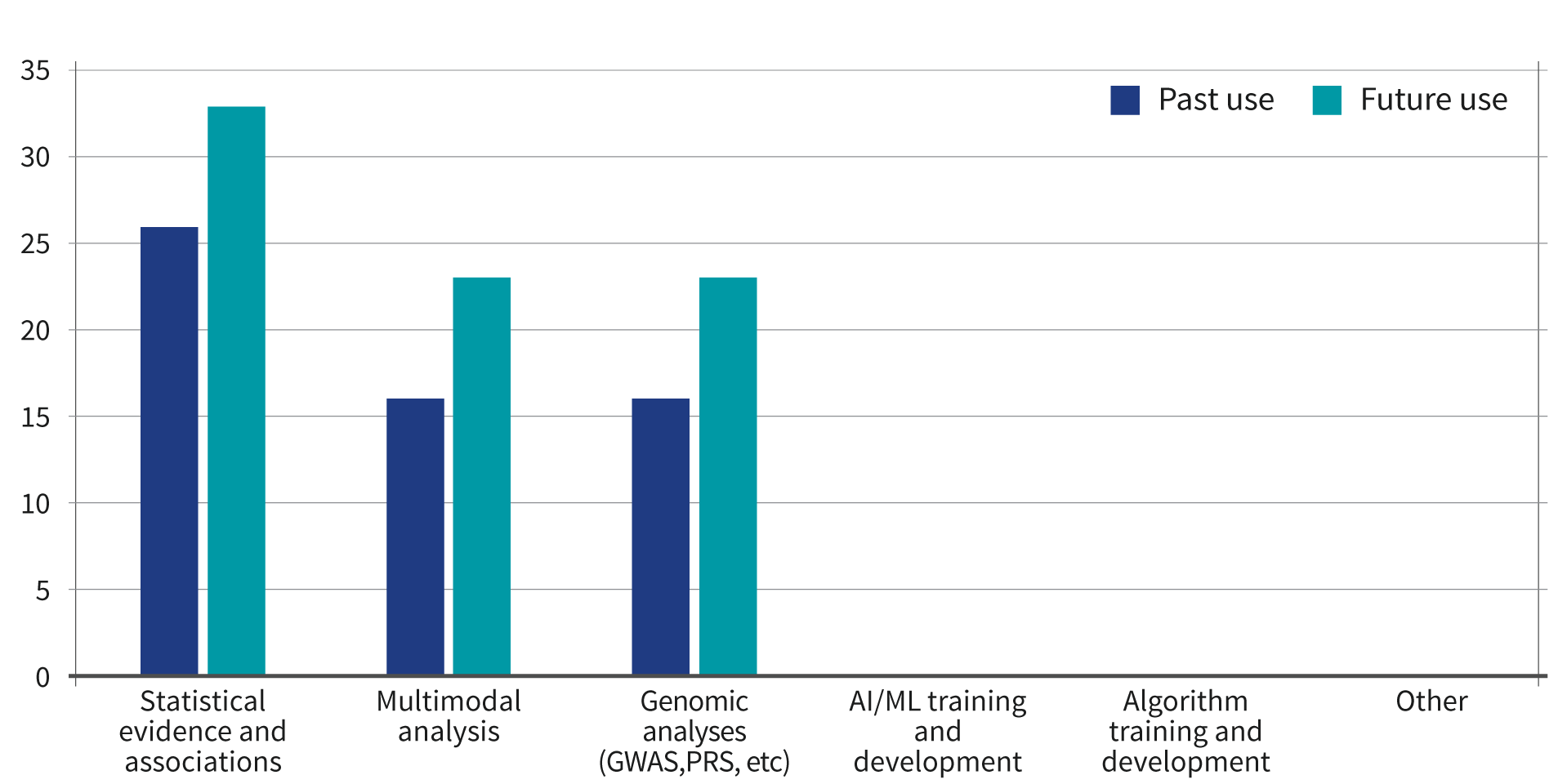
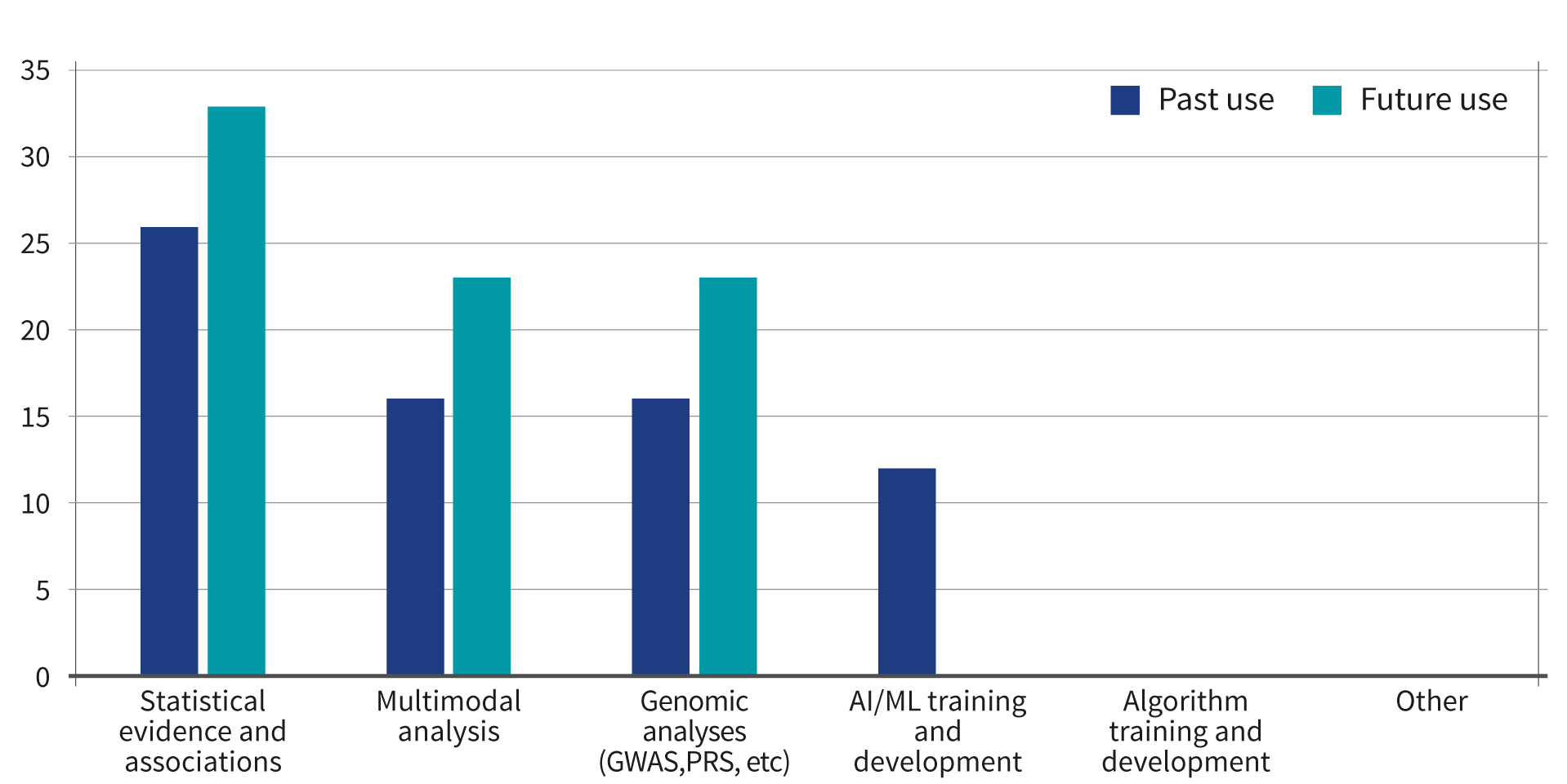
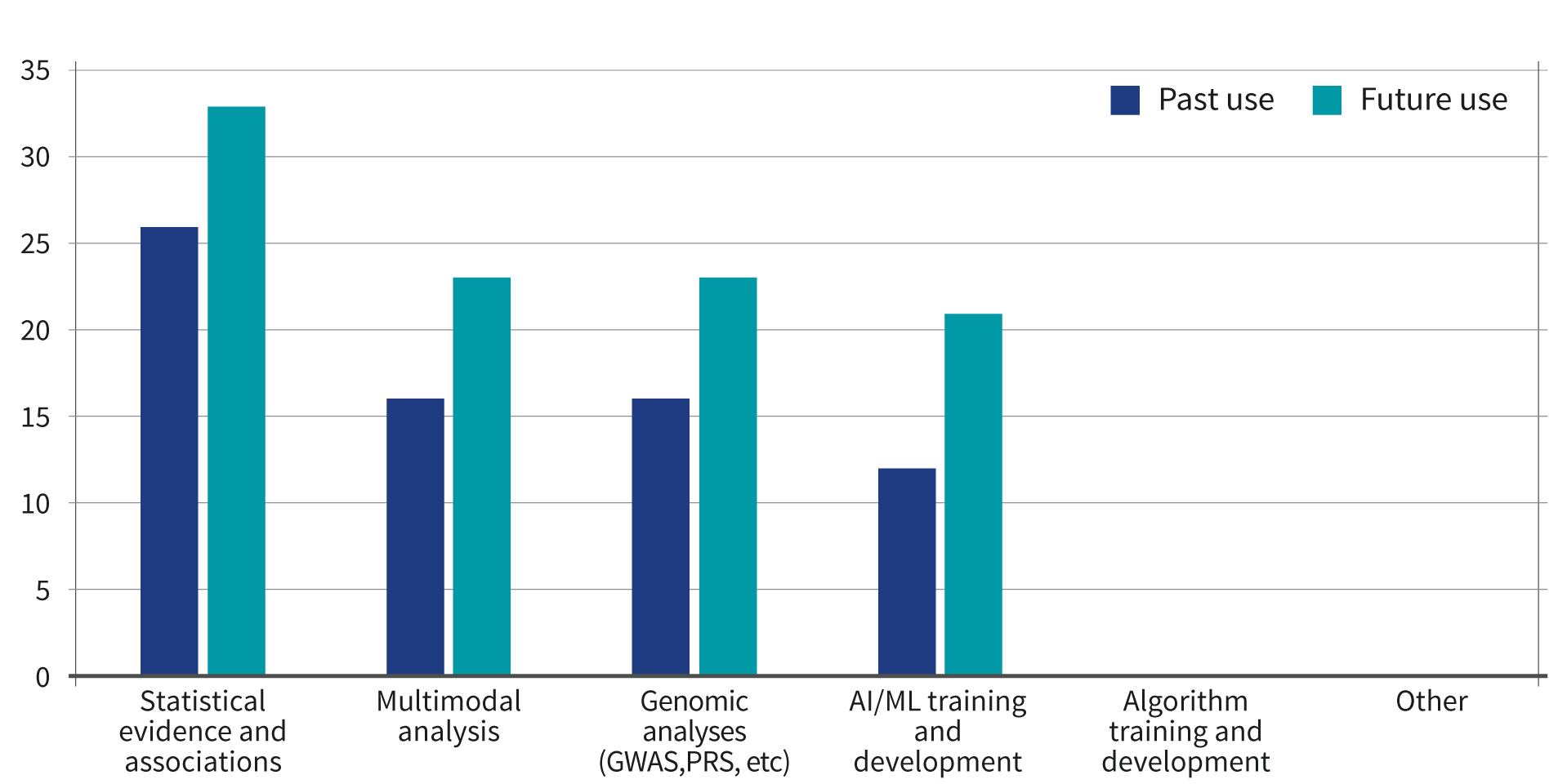
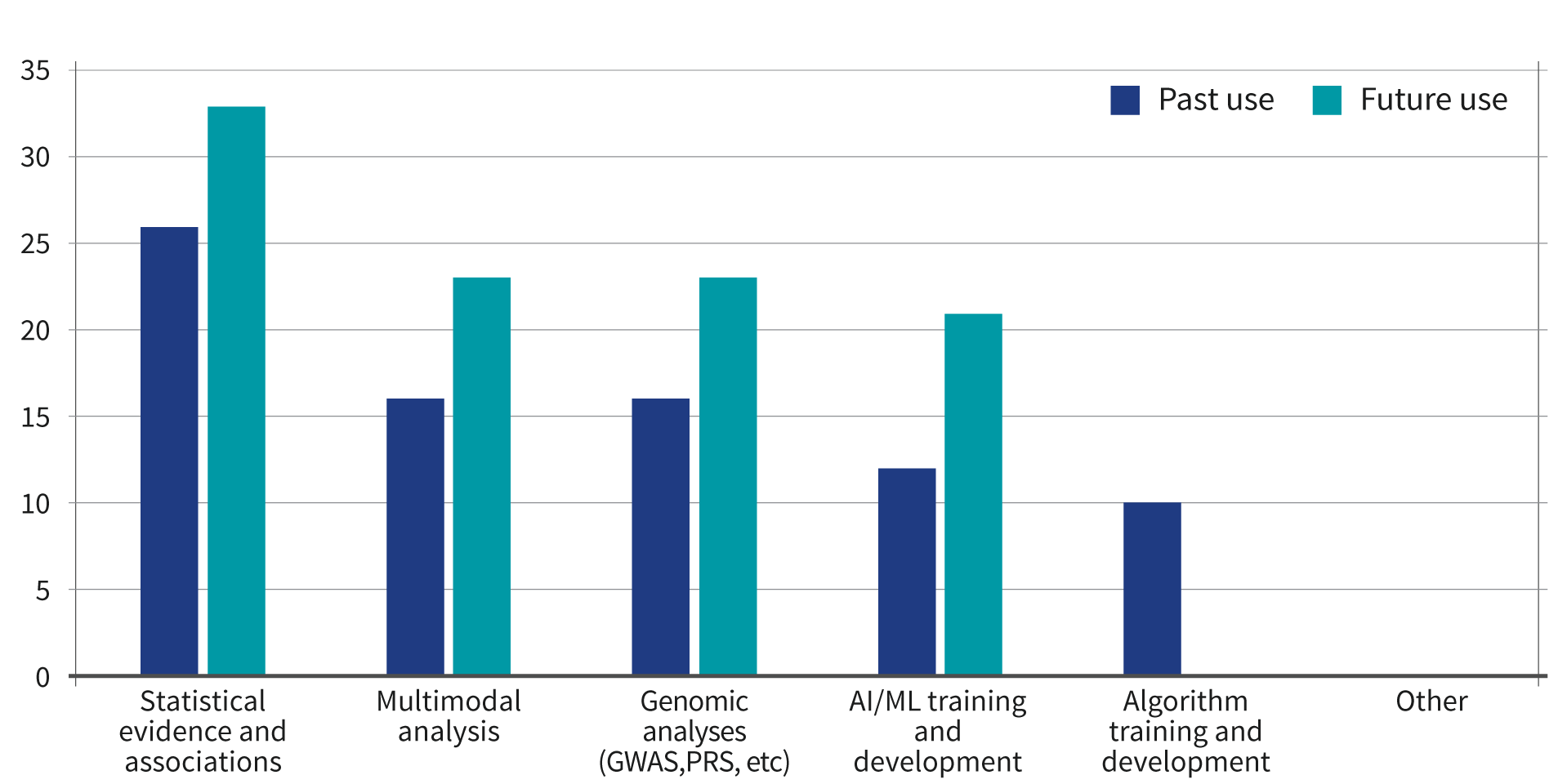
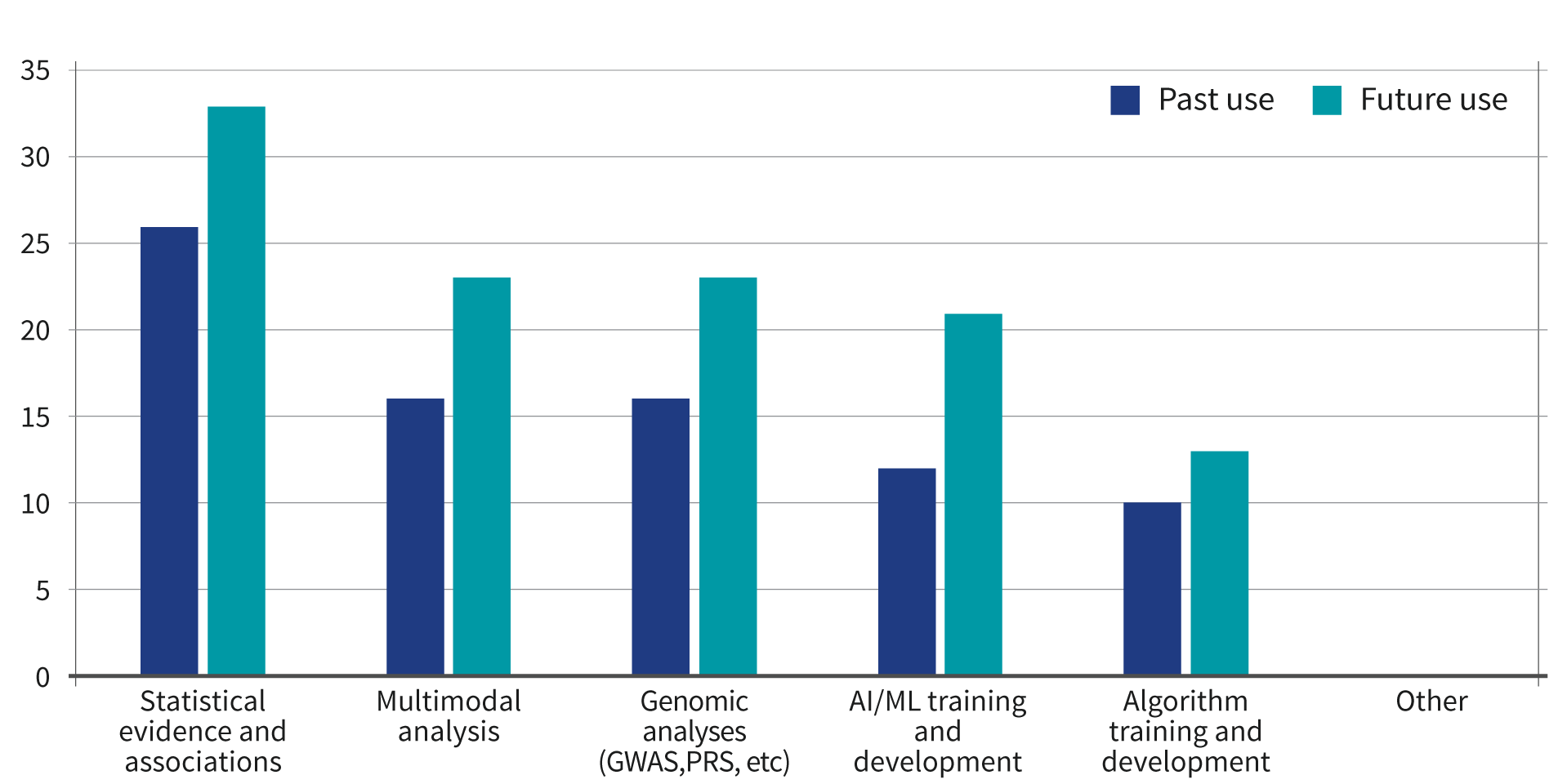
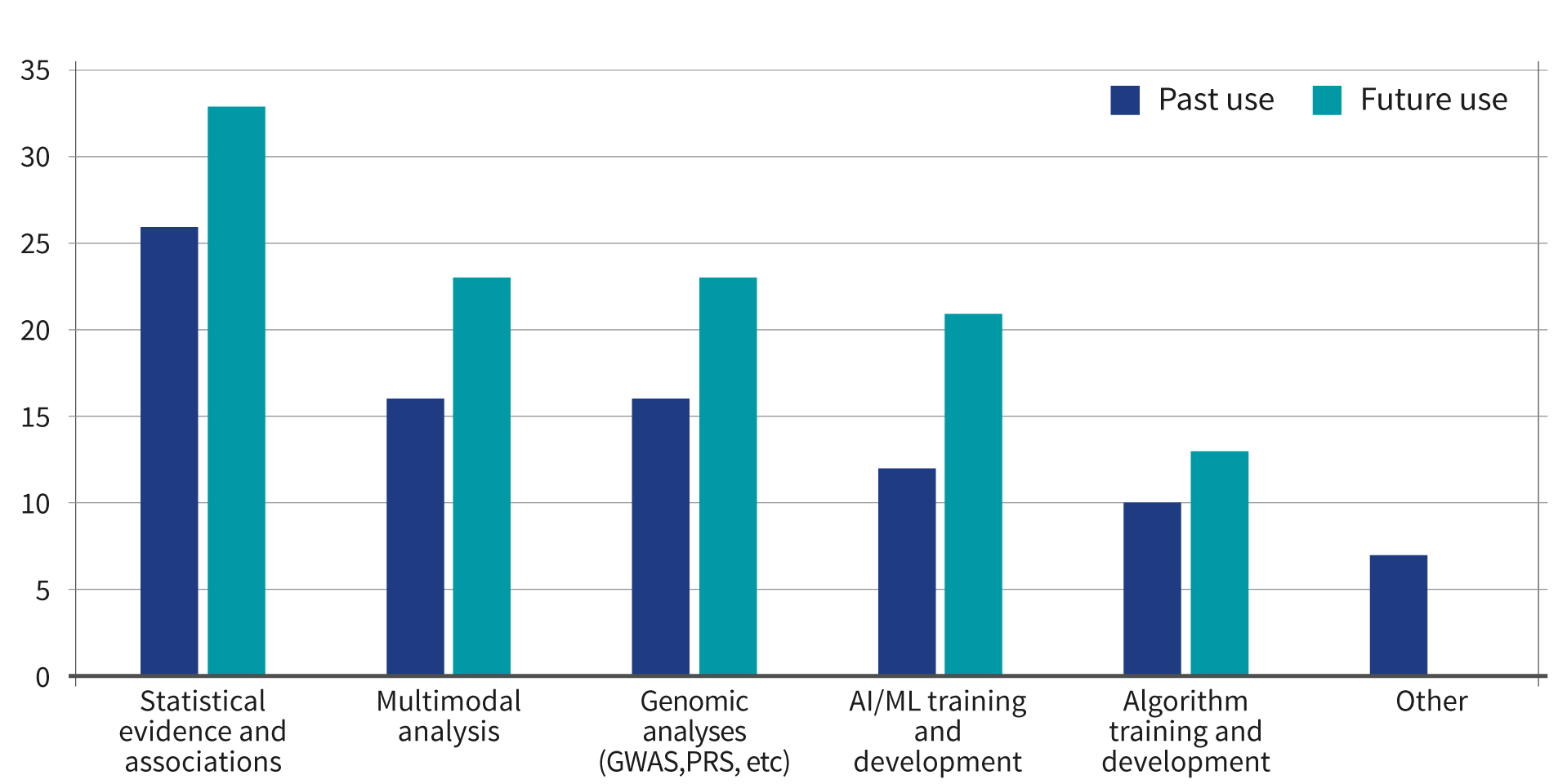
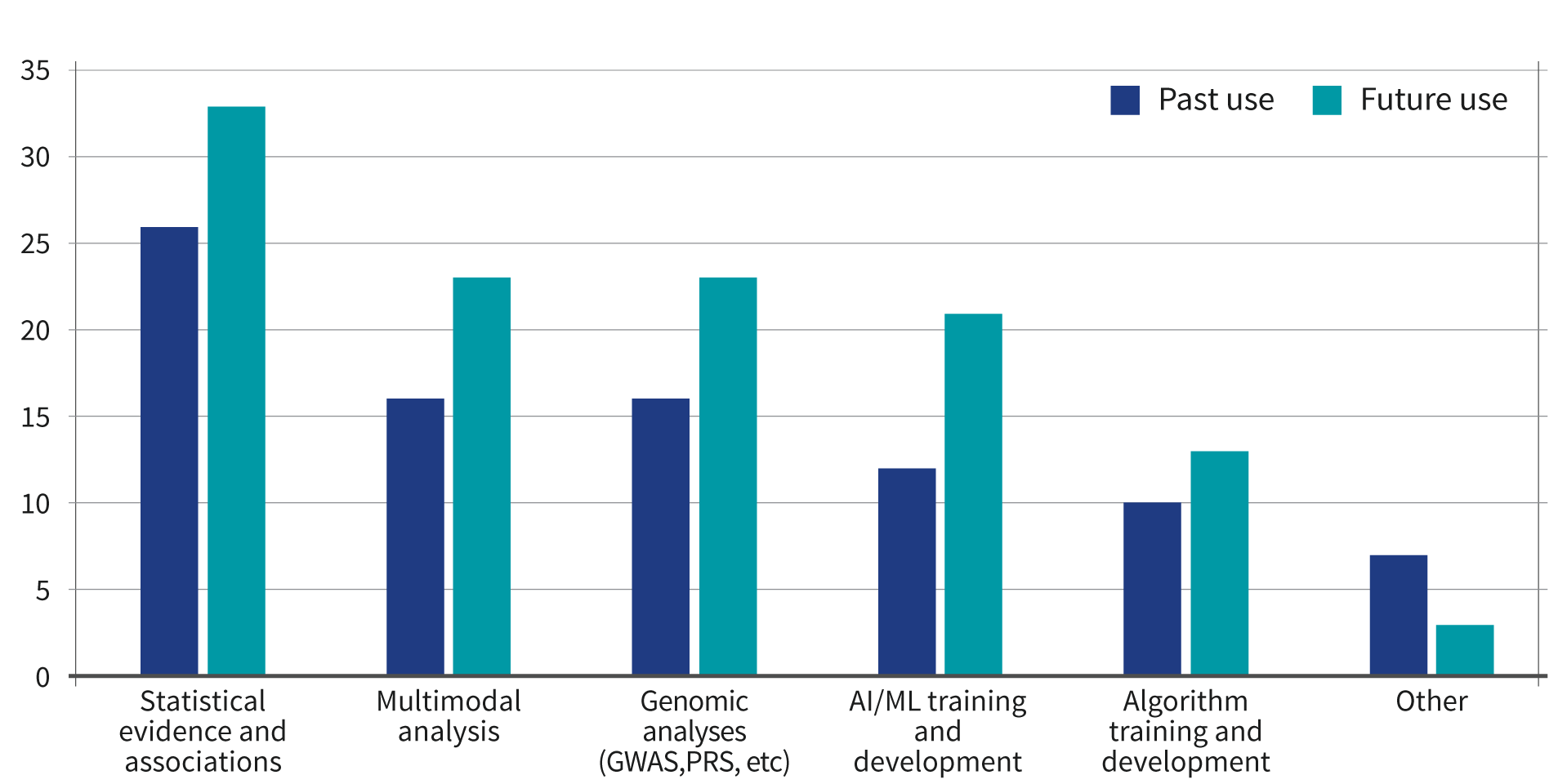
Respondents were also asked what sort of analysis they performed with the health data accessed or would like to access in the future. Statistical evidence and associations were the most common type of analysis performed and remained so for the future. Perhaps unsurprisingly, the biggest increase in type of analysis was in AI and machine learning.
Analysis performed with health data by life science SMEs
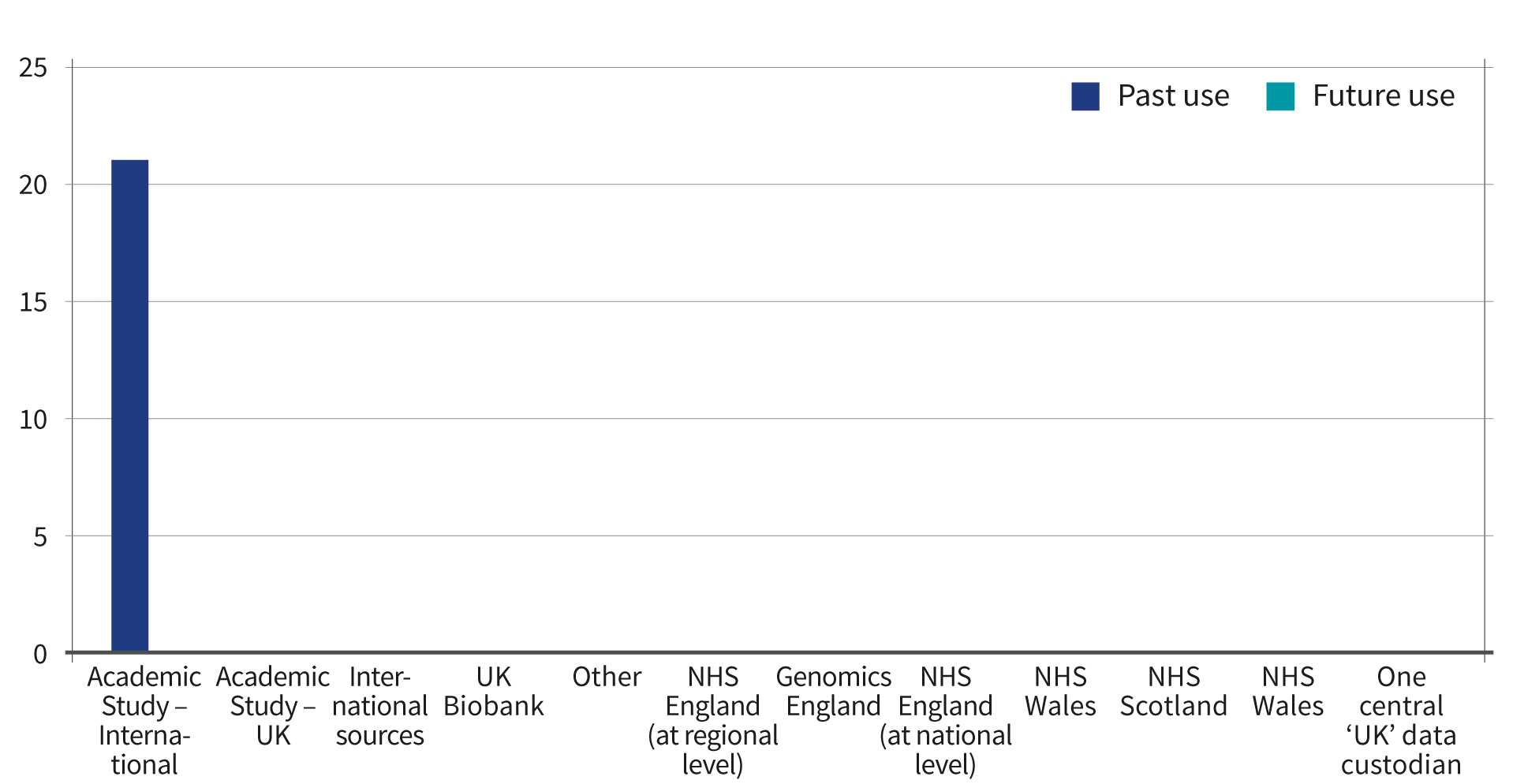
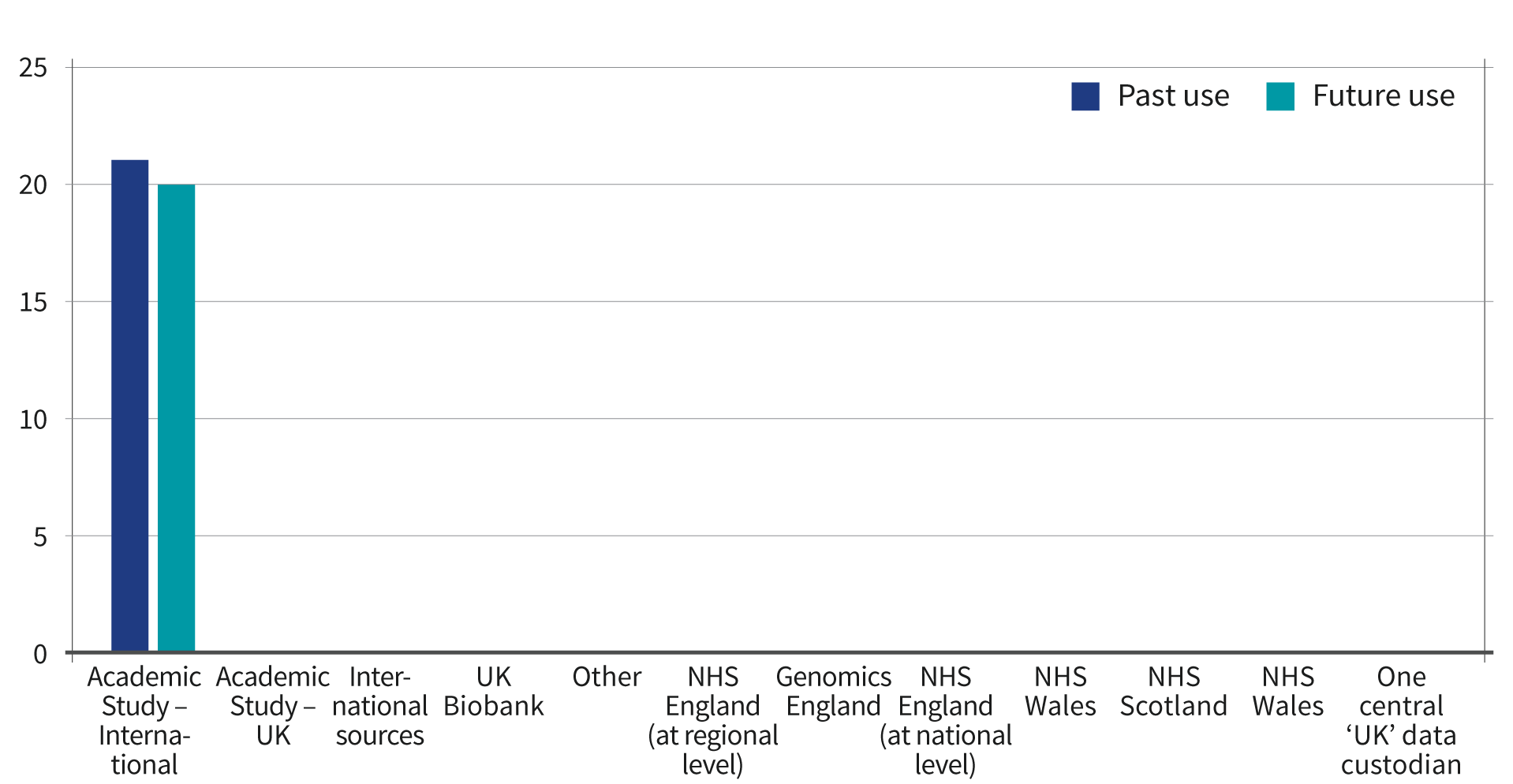
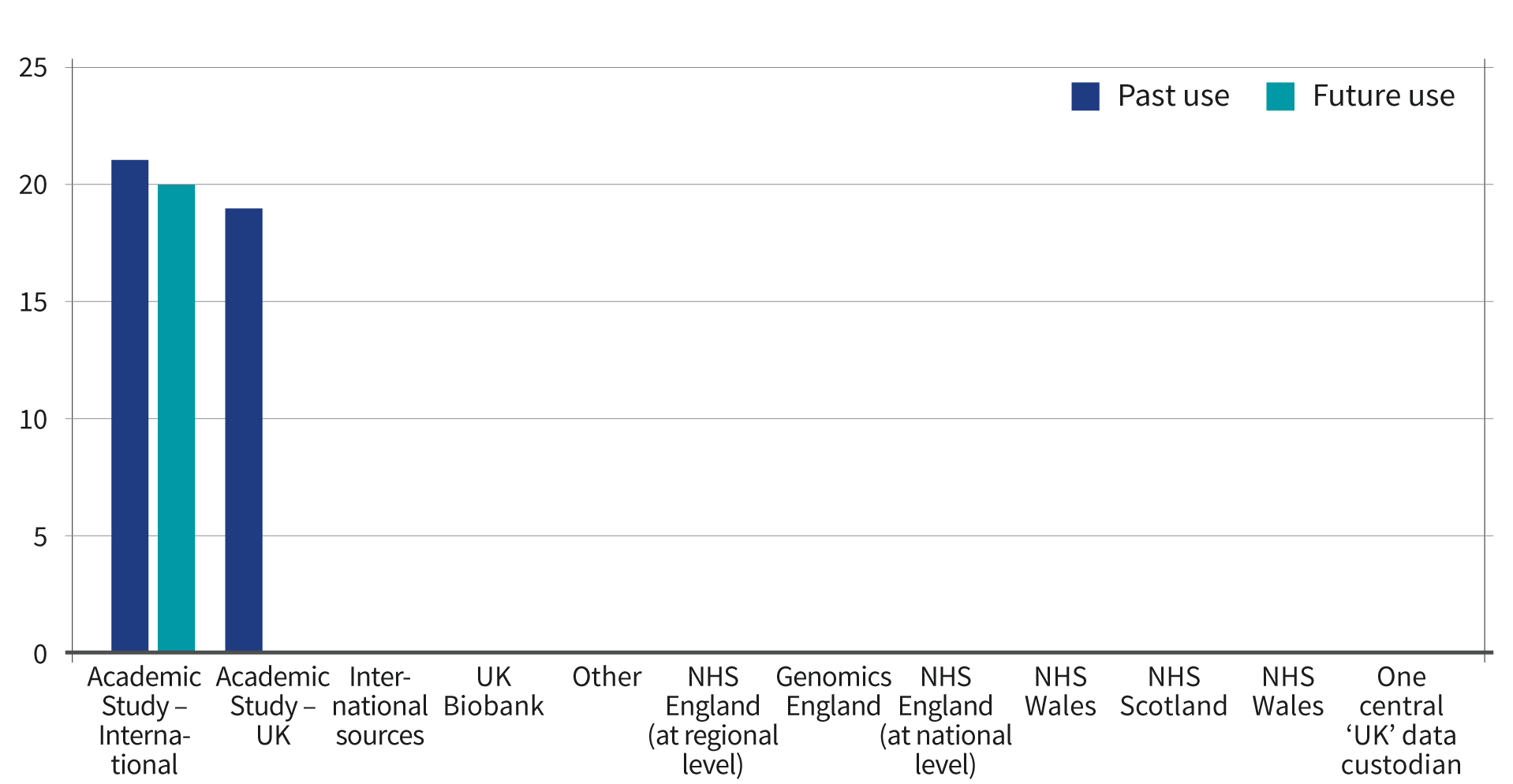
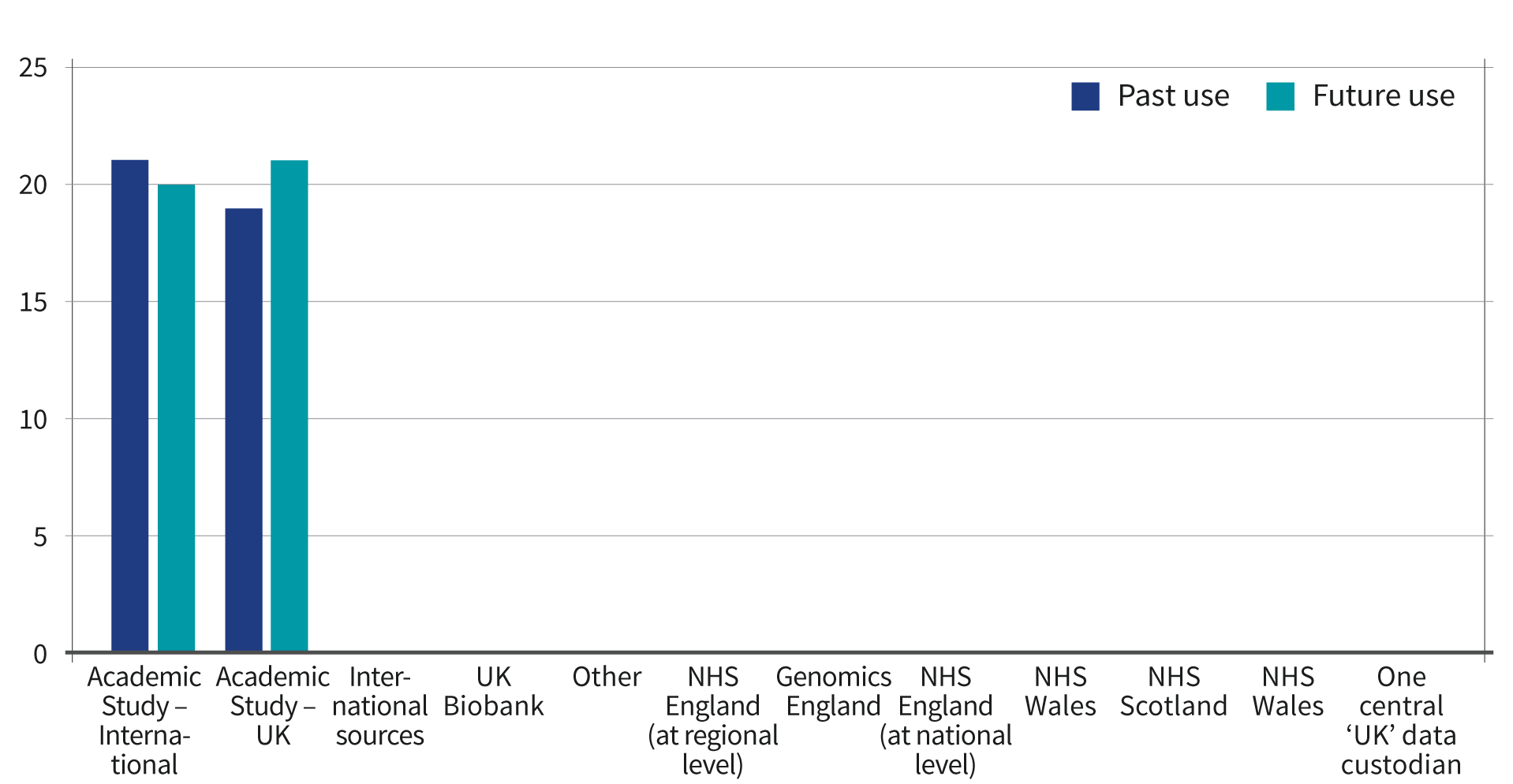
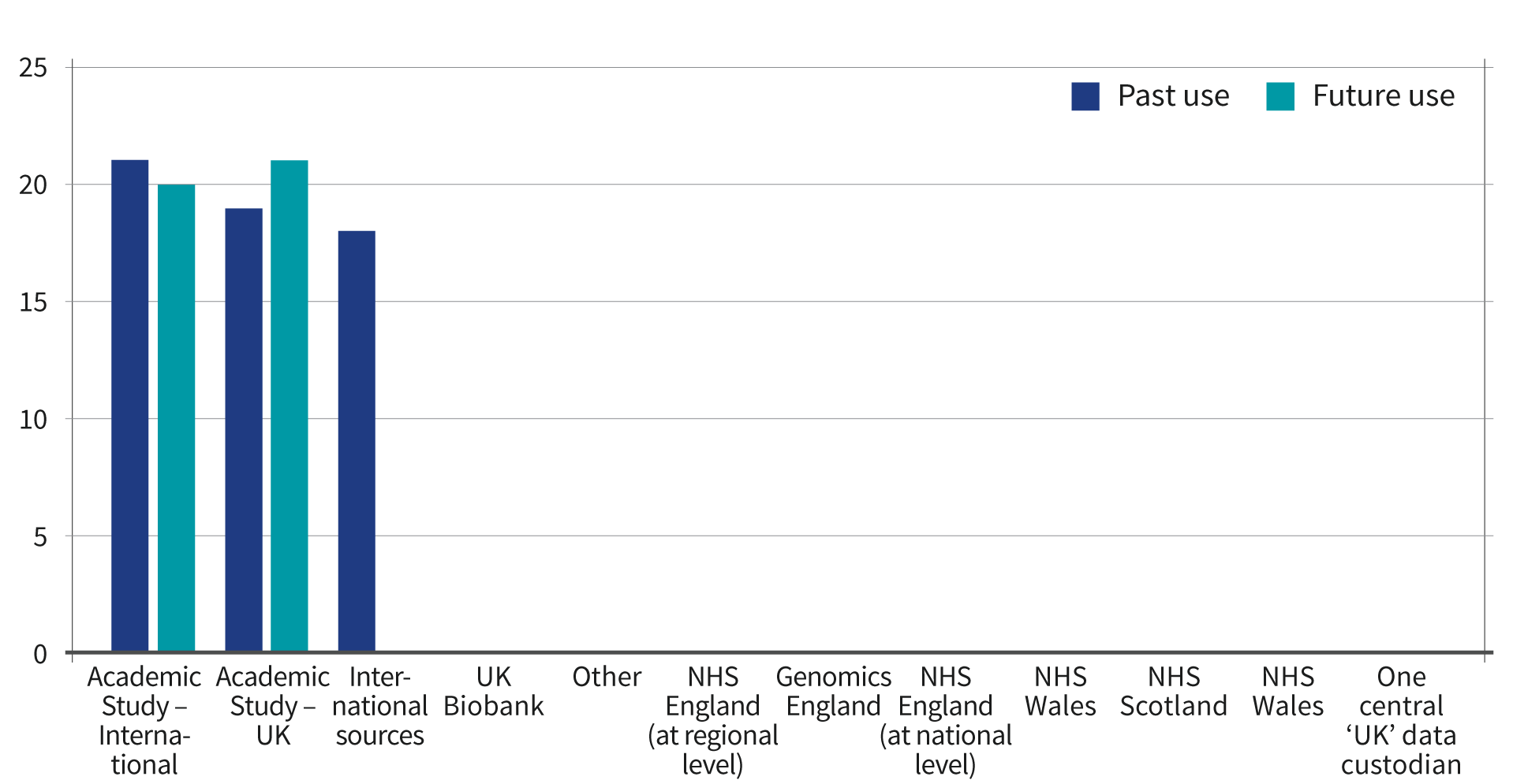
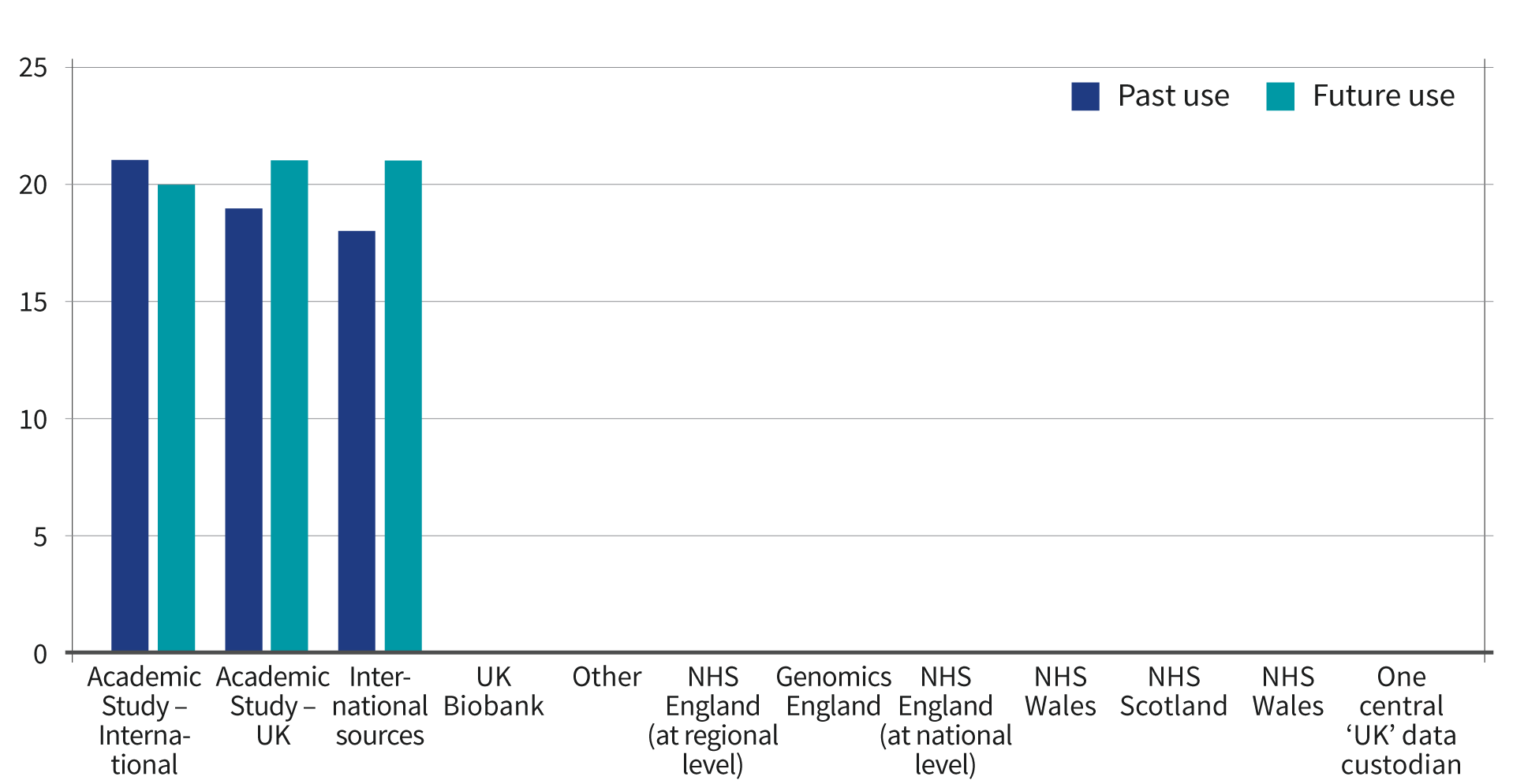
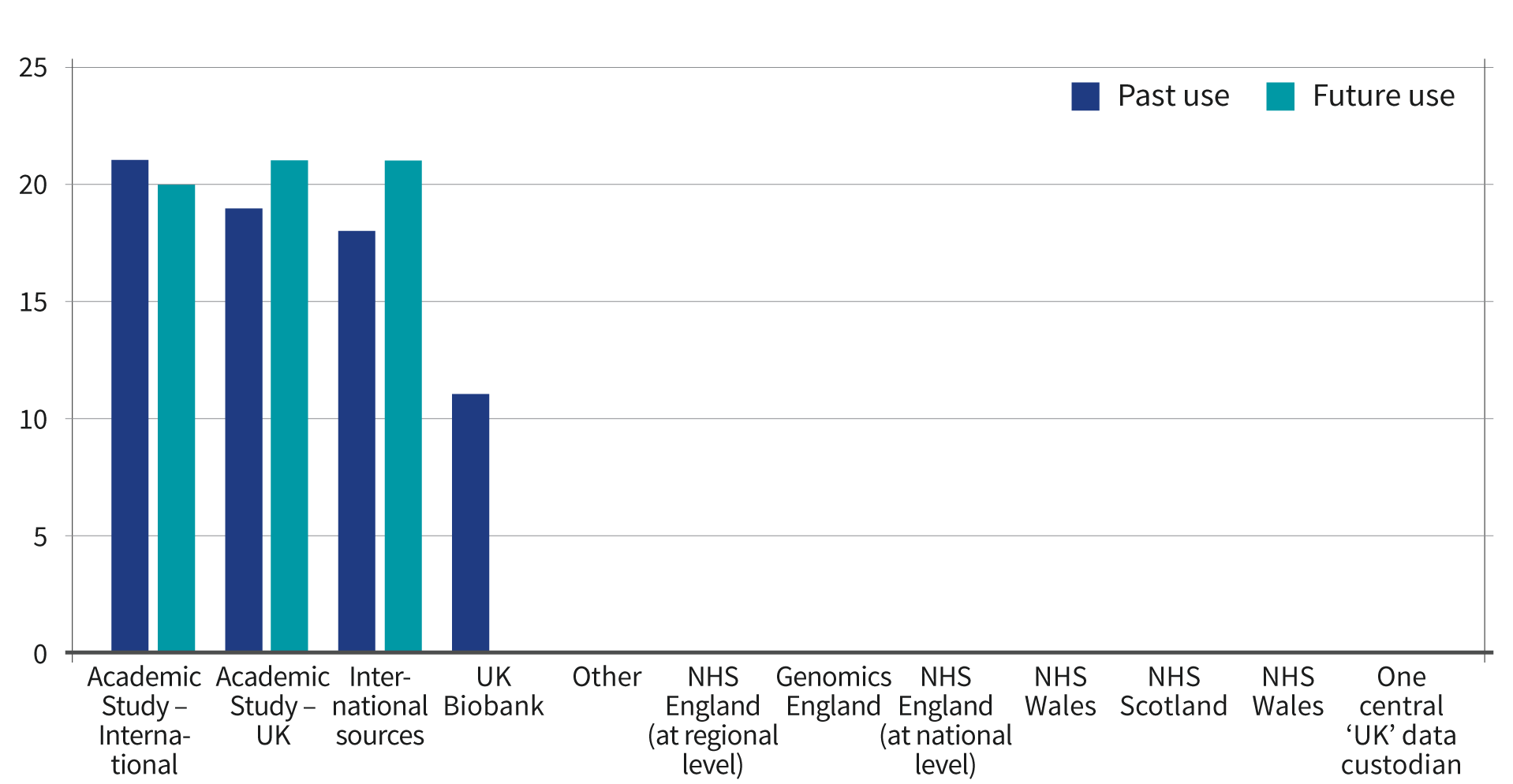
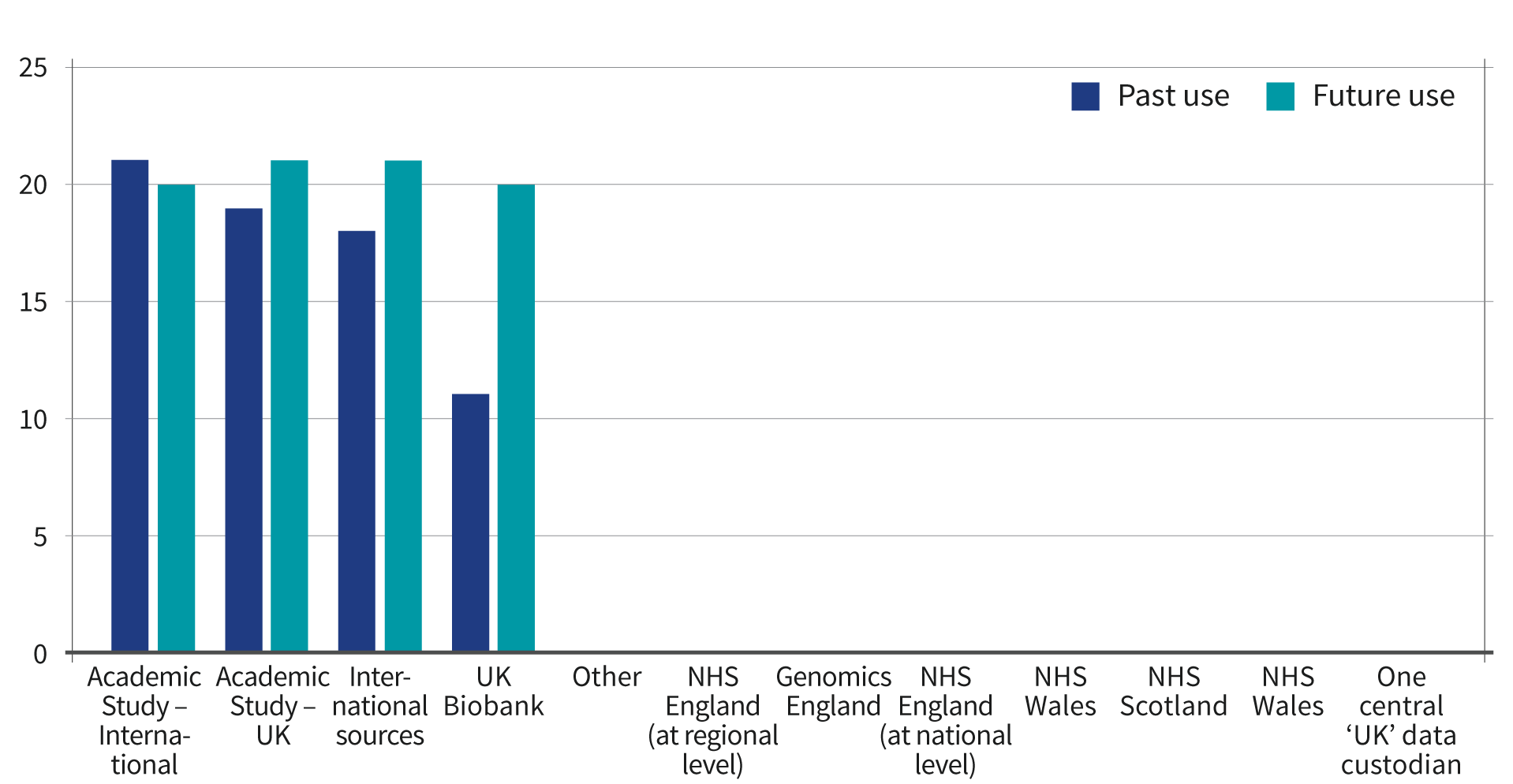
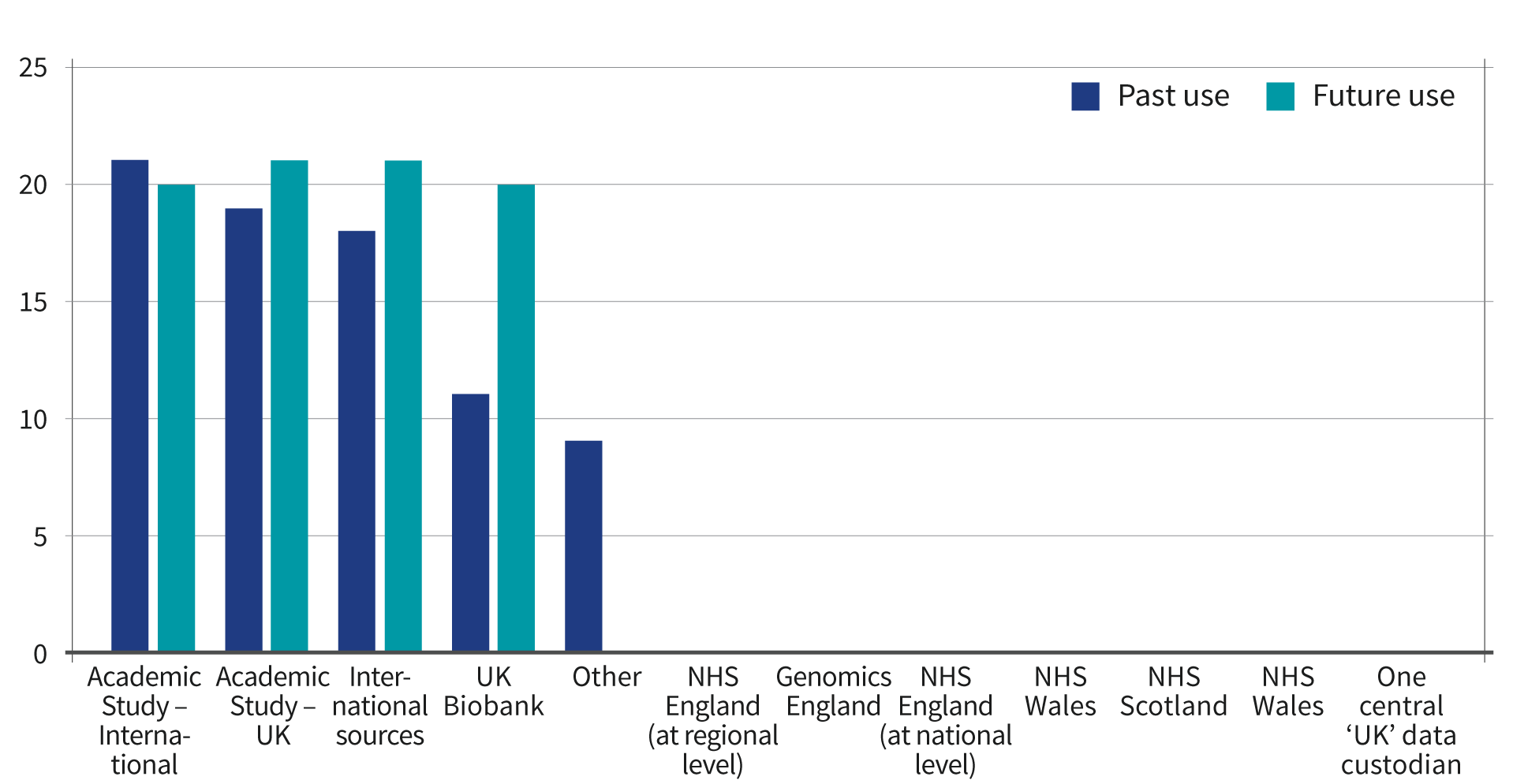
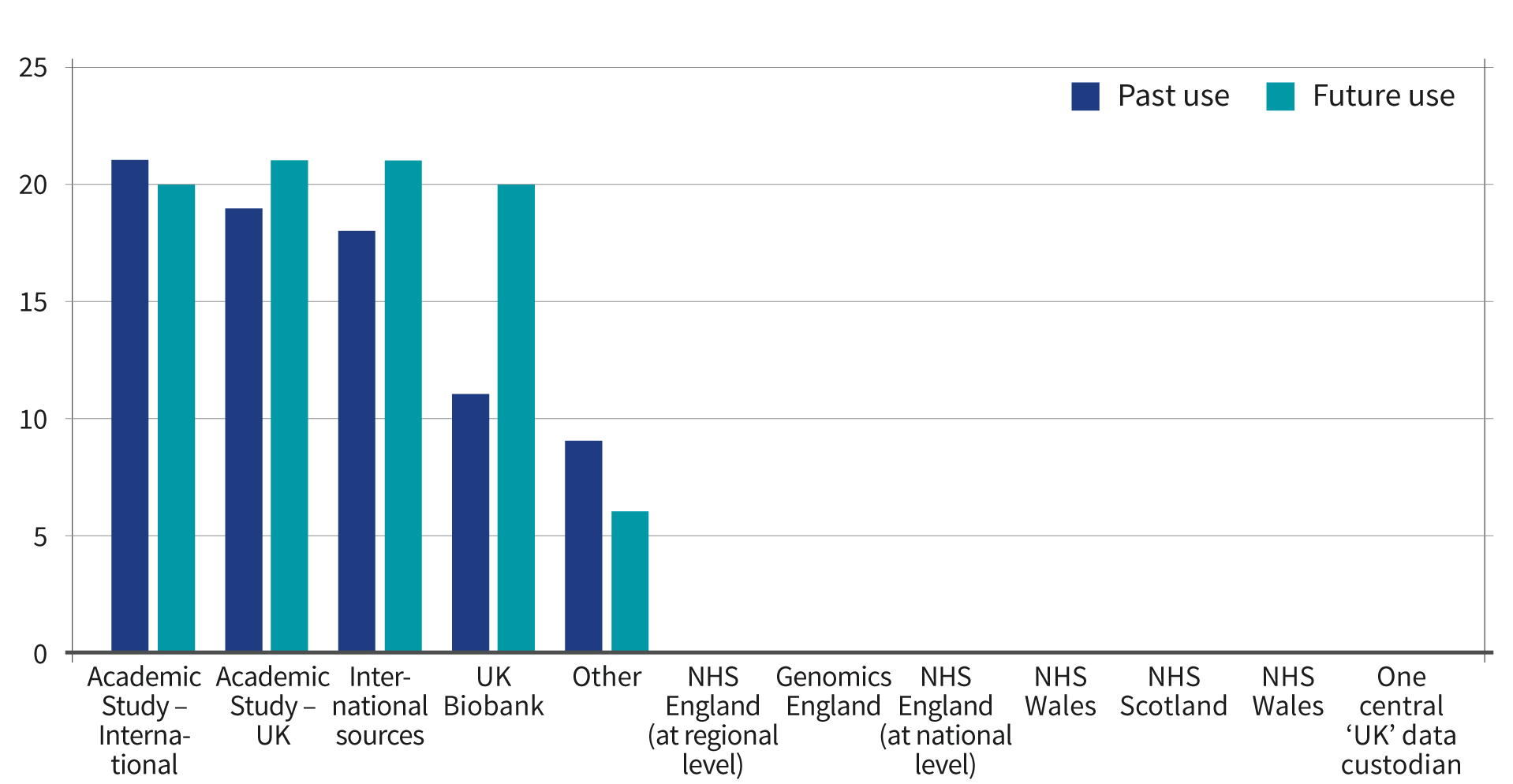
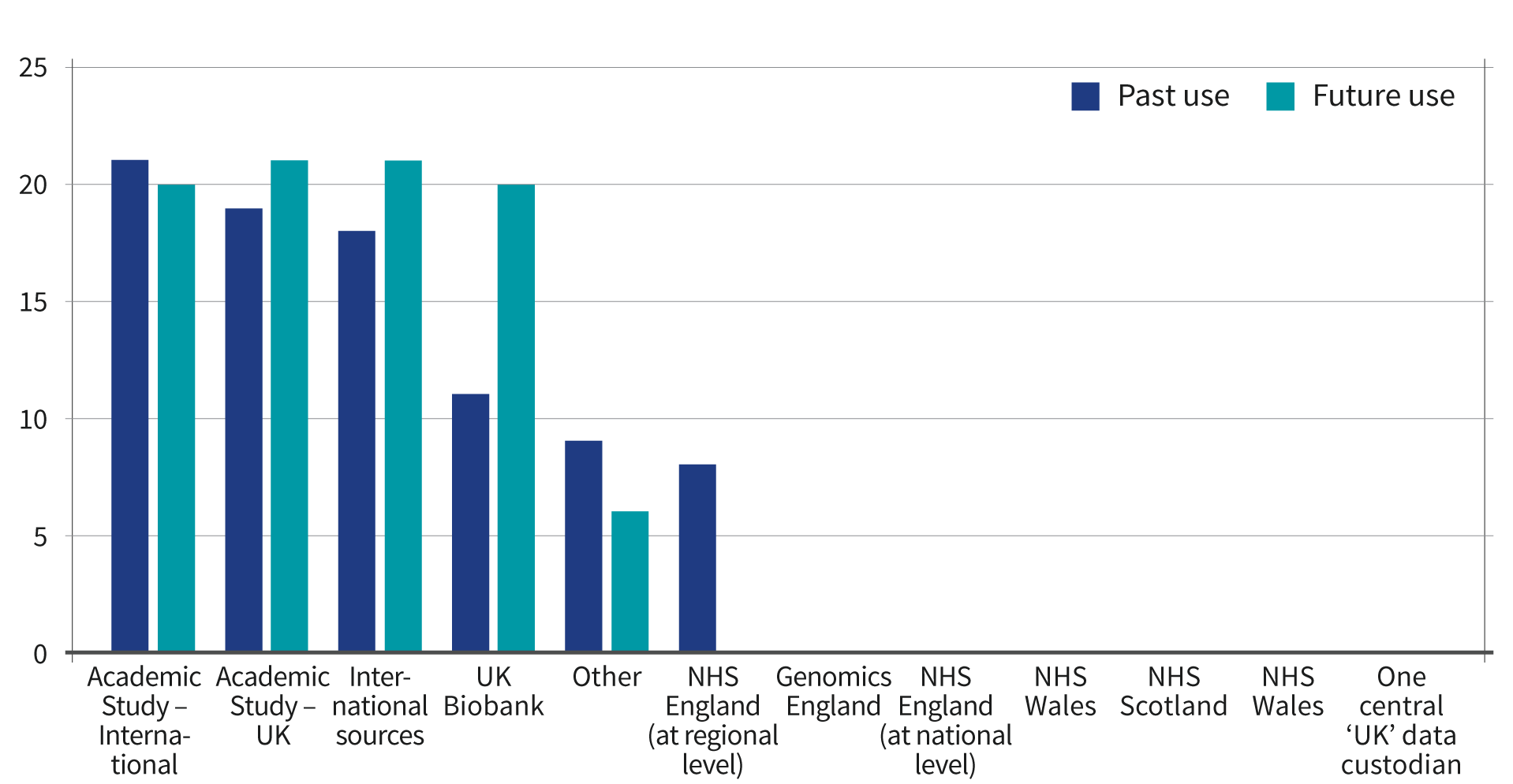
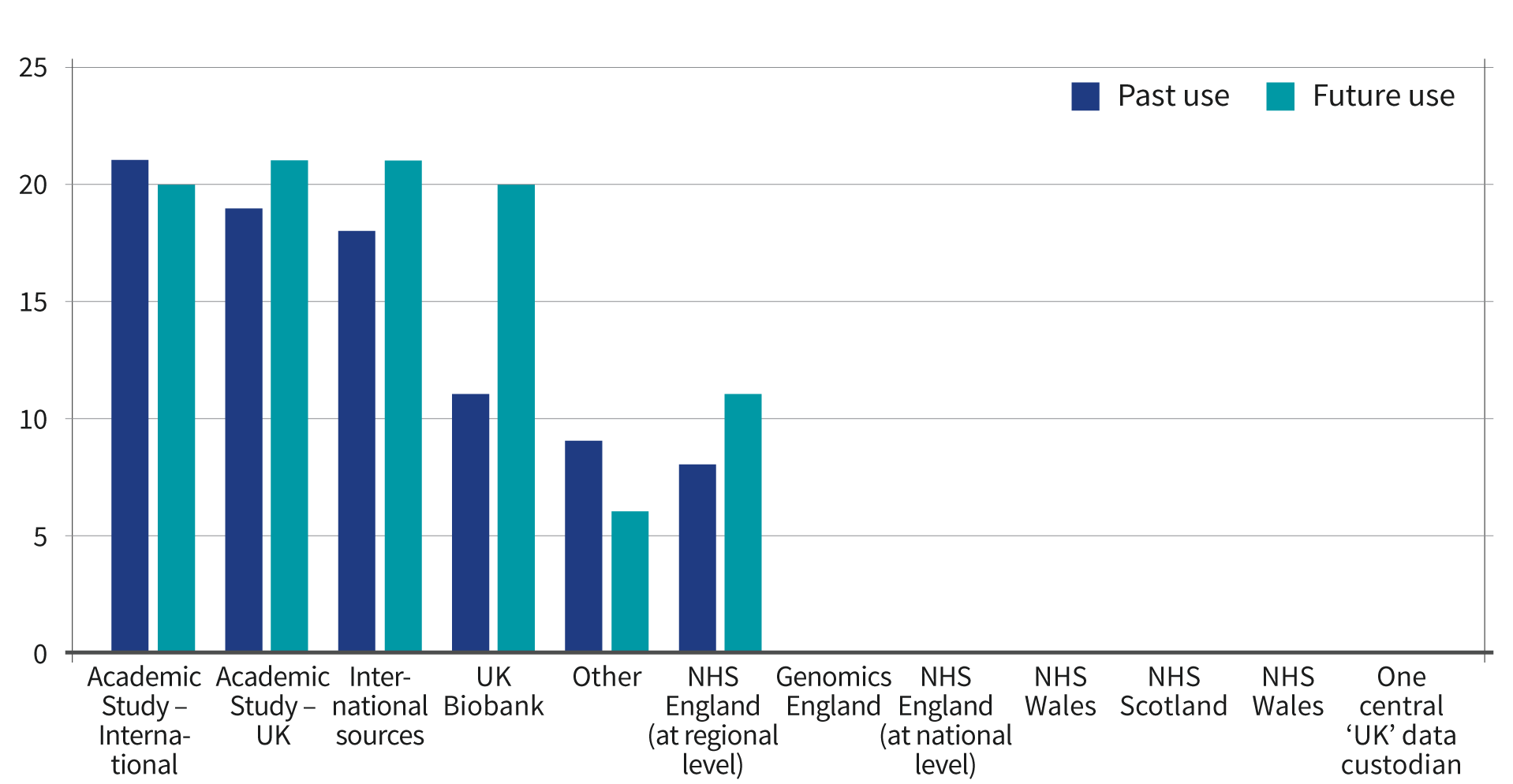
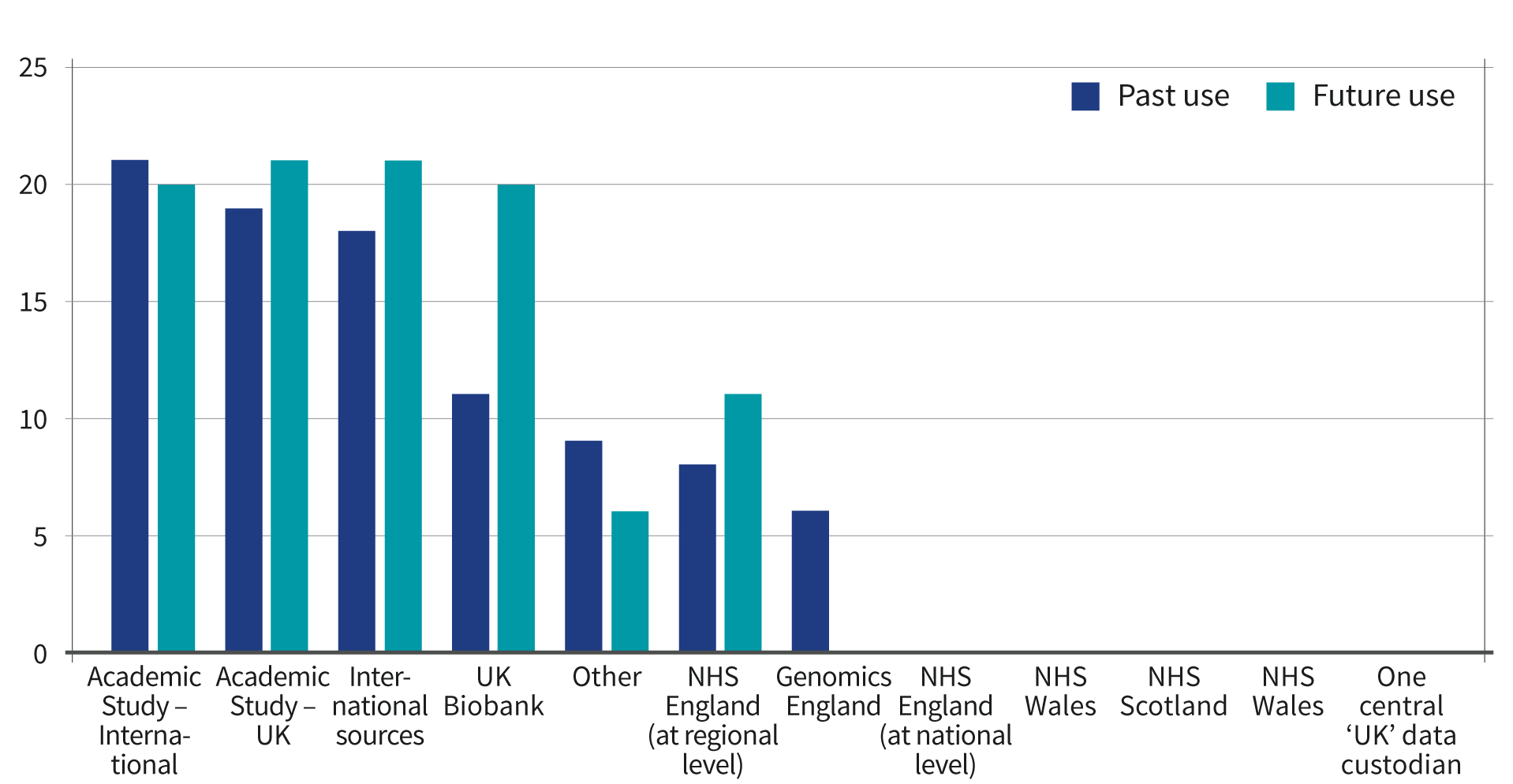
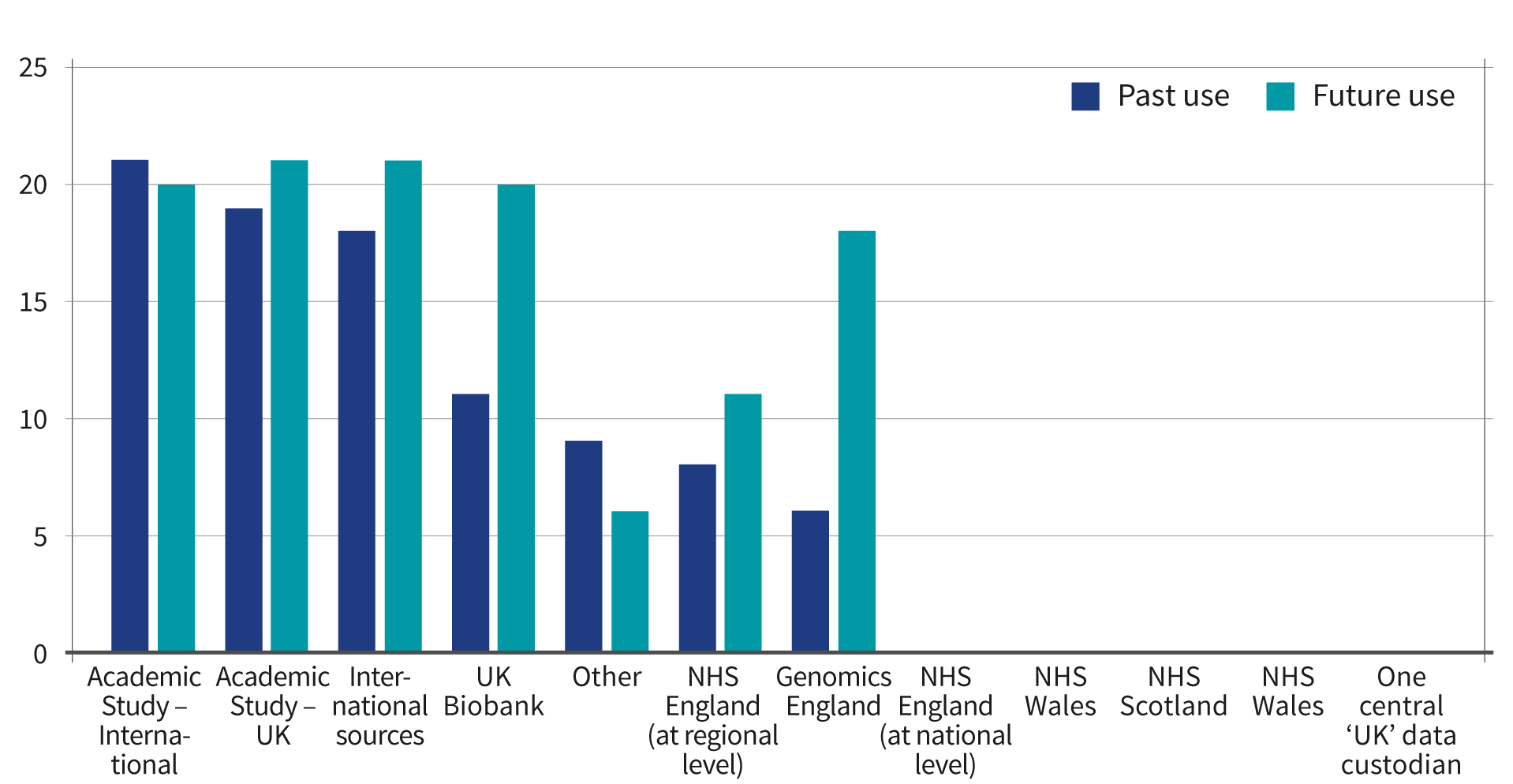
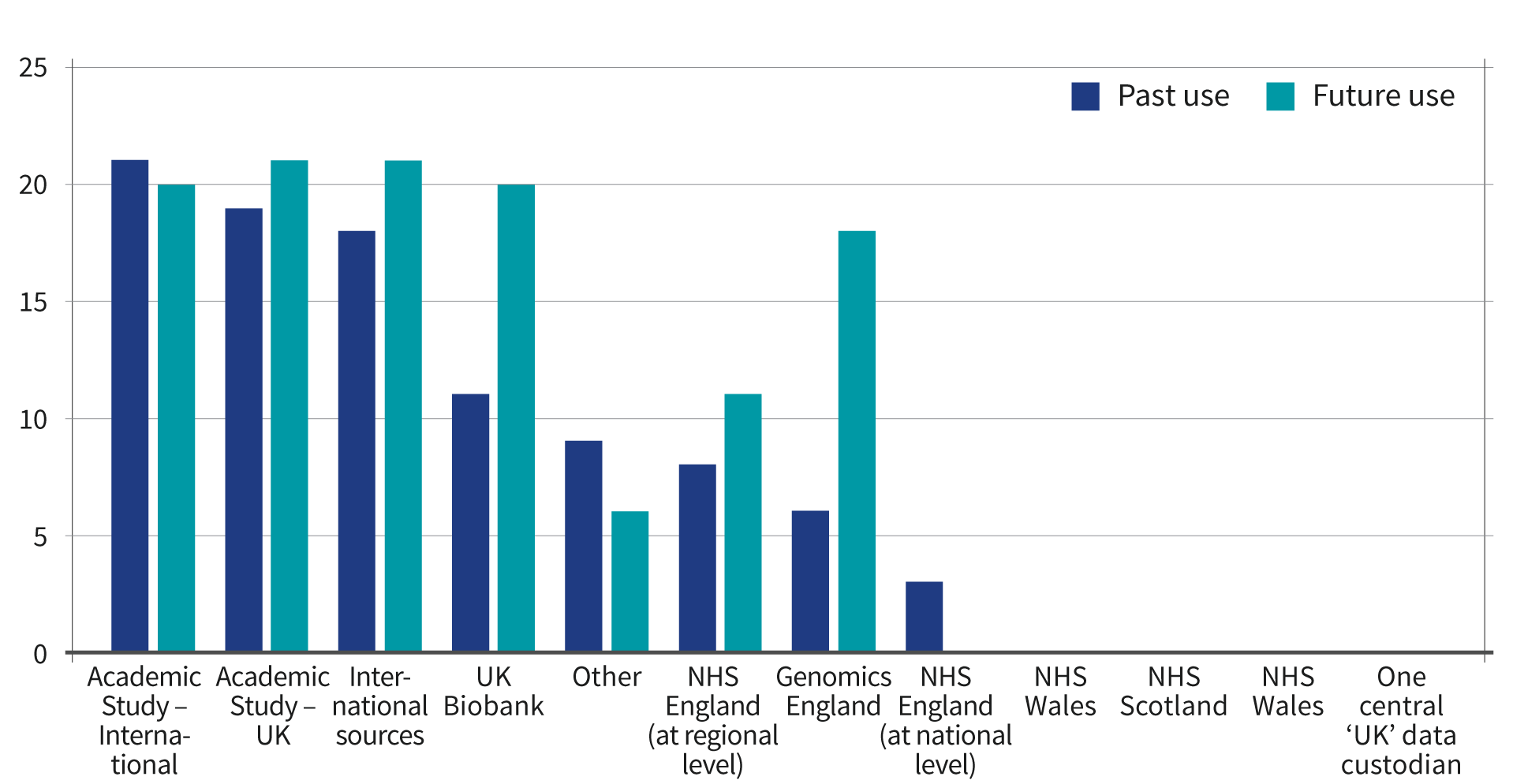
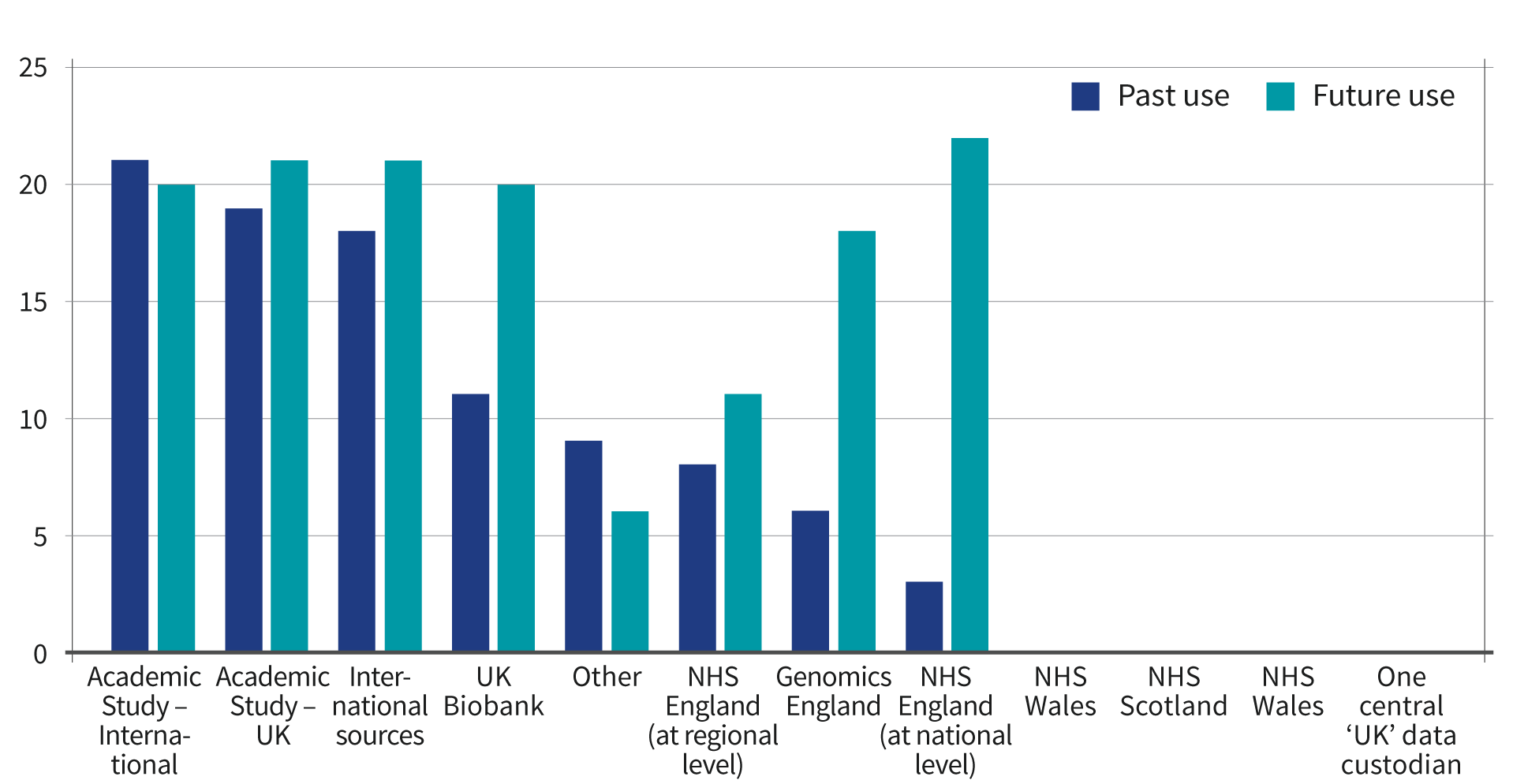
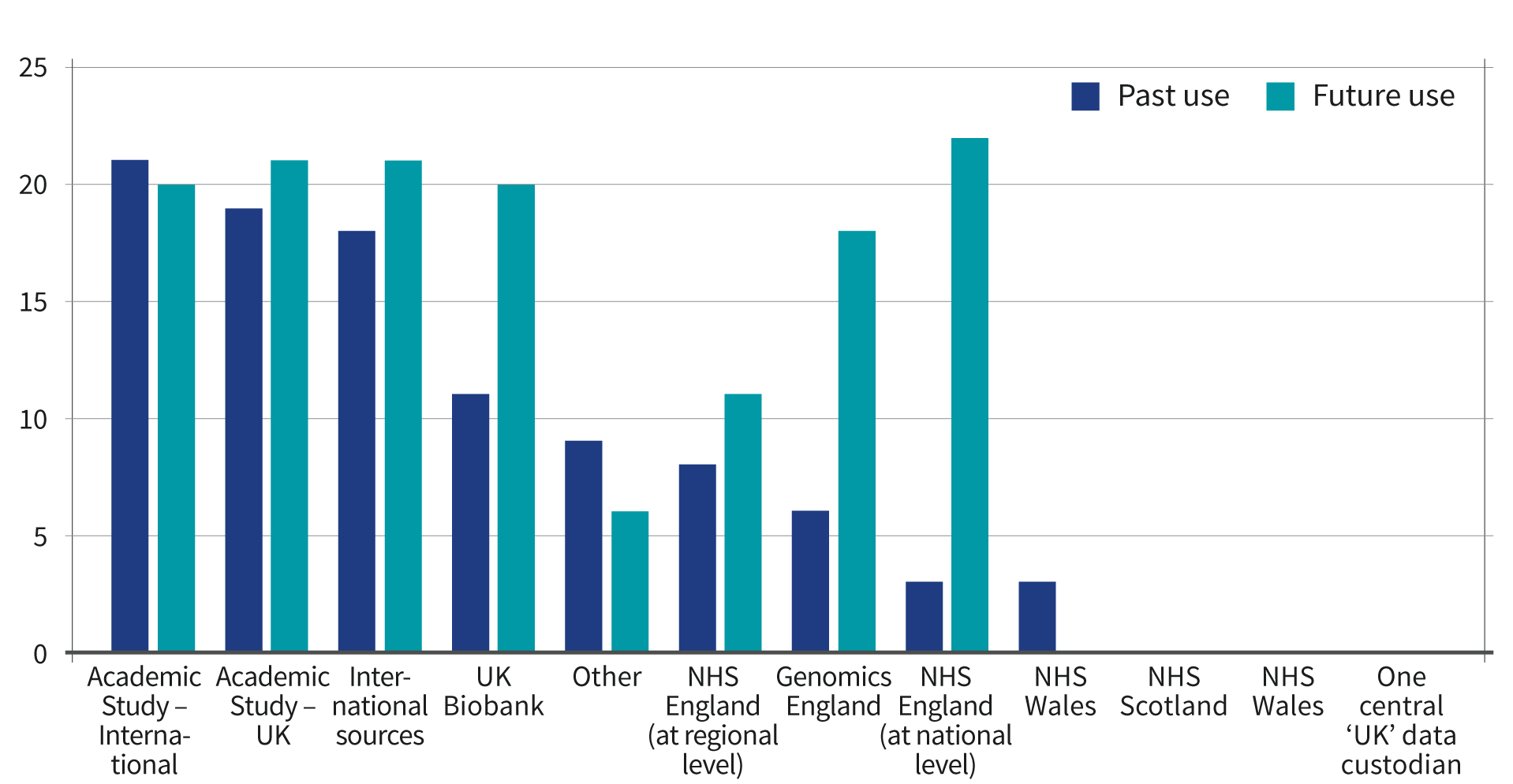
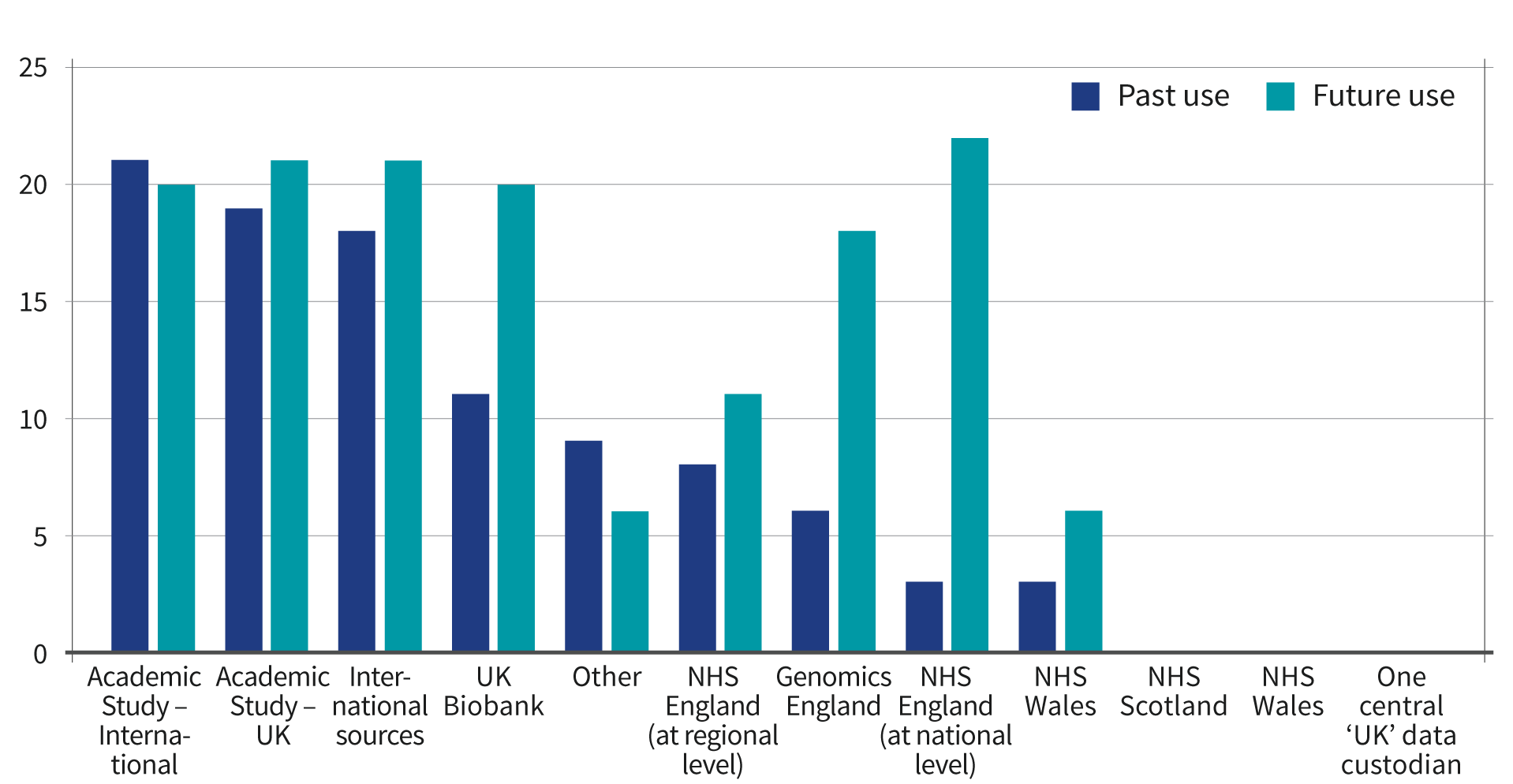
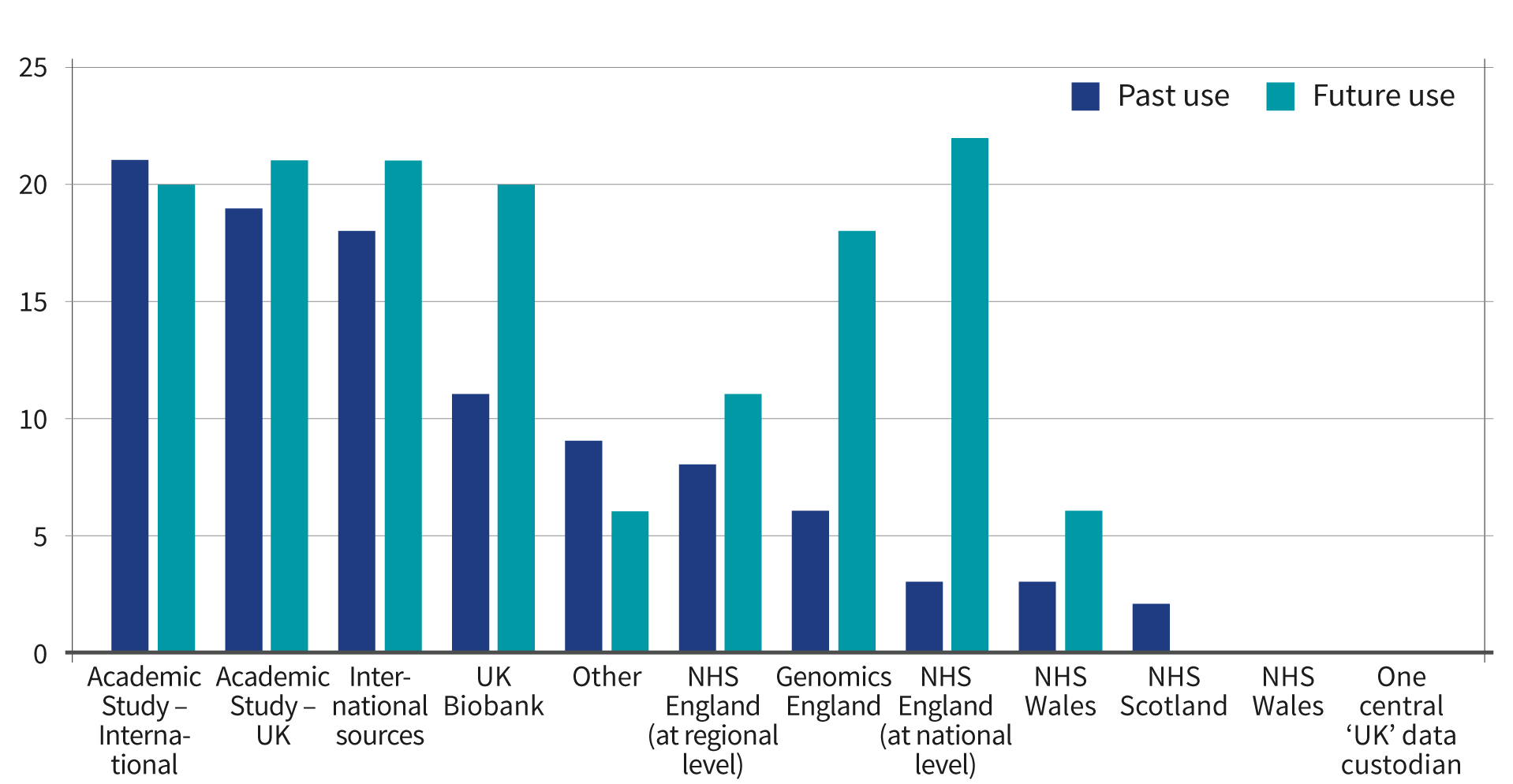
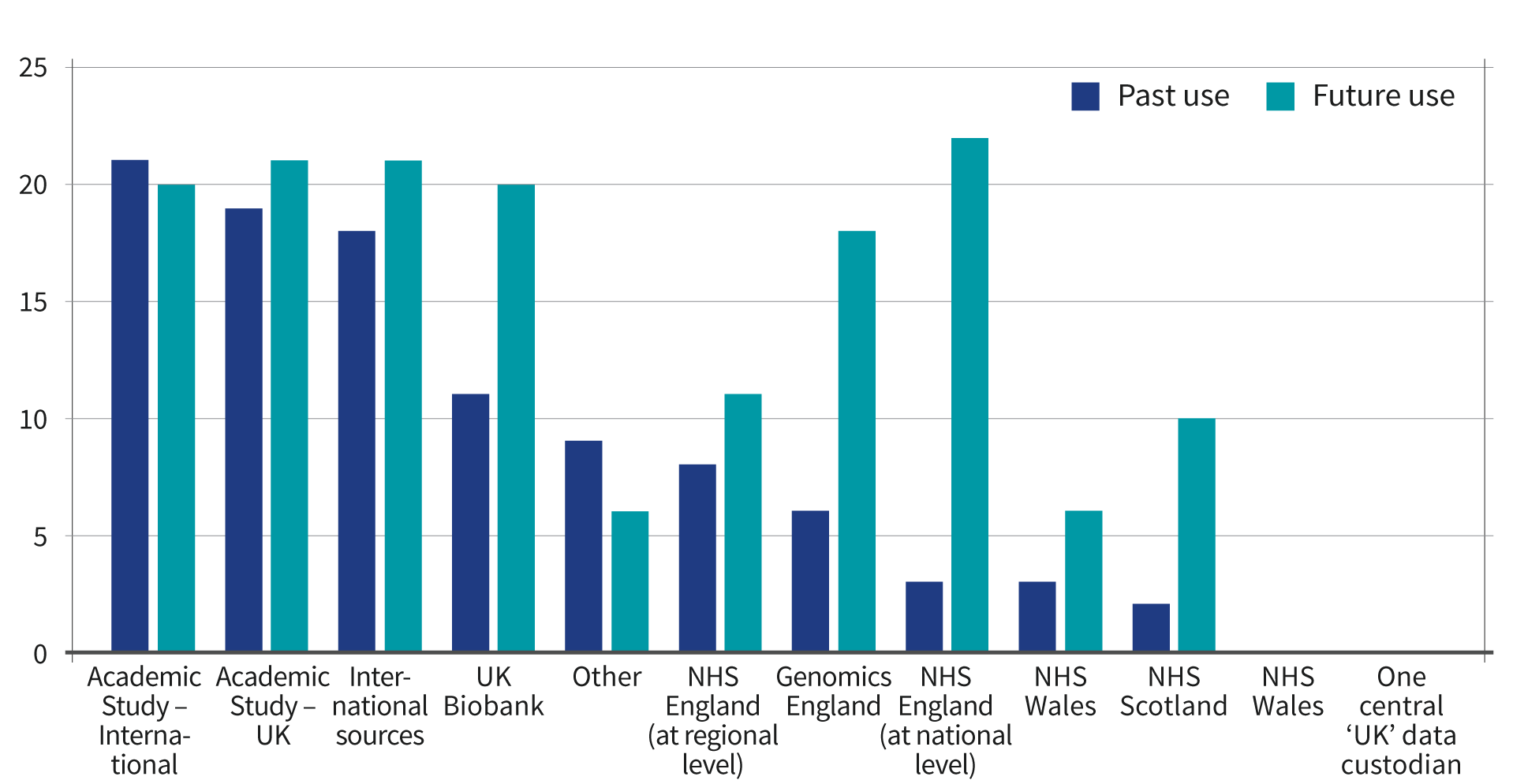
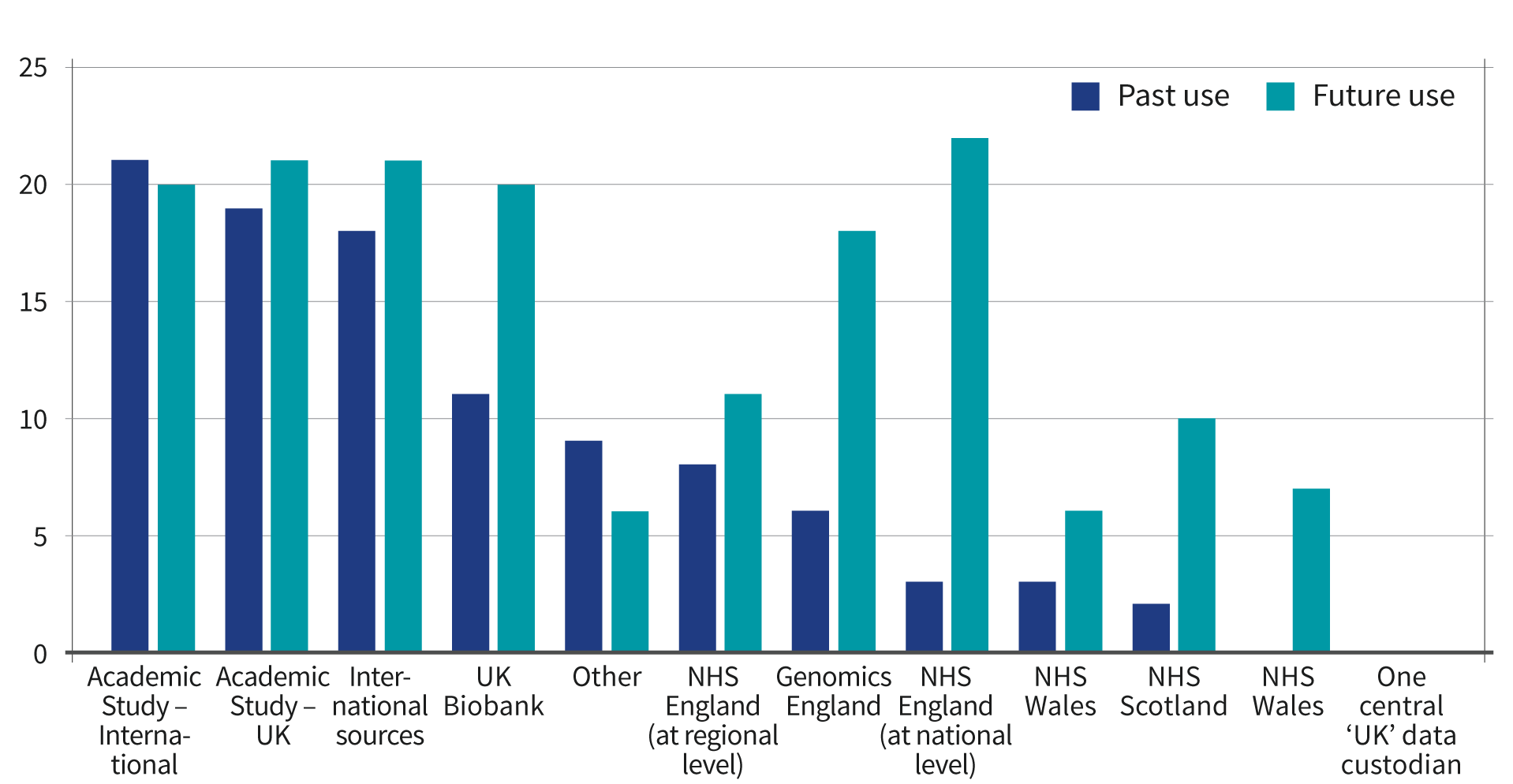
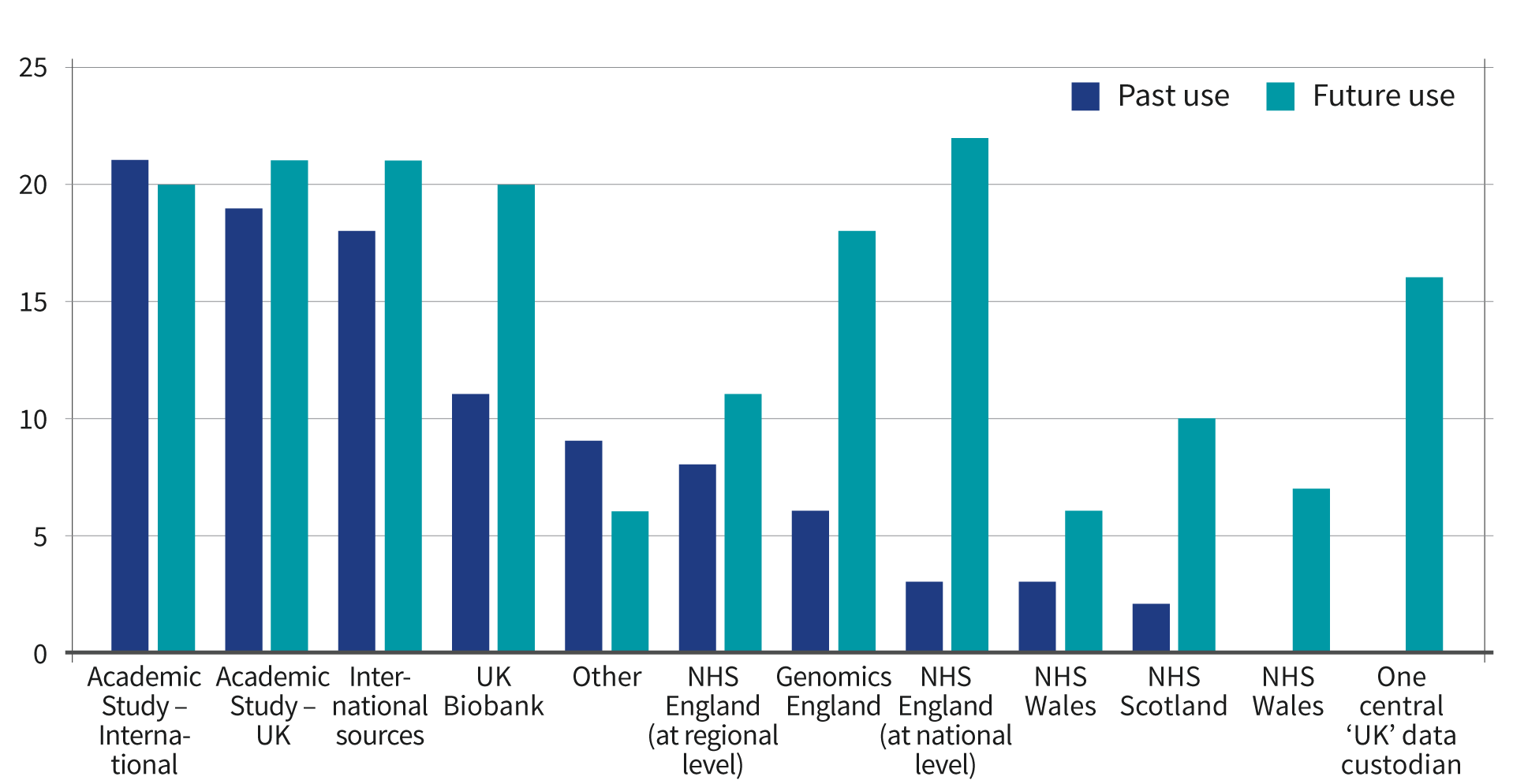
We asked SMEs where they have accessed health data from in the past and where they would like to go in the future. In the past three years academia was the most popular source, followed by international sources. There was not a large increase in the number of companies wanting to access these sources in the future, indicating that demand is being met.
Respondents indicated an increased interest in accessing Genomics England, the NHS and ‘one central UK custodian’ in the future. This shows that companies value the data held in these resources and hope to access these sources in the future. These results indicate that that research using genomics and clinical data will be key growth areas for the sector and an opportunity for the UK, which has unique capabilities in these areas. It also adds weight to the idea of centralising access processes so that the UK’s health data resources can be accessed via one central custodian.
Recent efforts to link cohort data with primary care data will support these efforts to improve data access and linkage.
Sources of health data accessed by life science SMEs
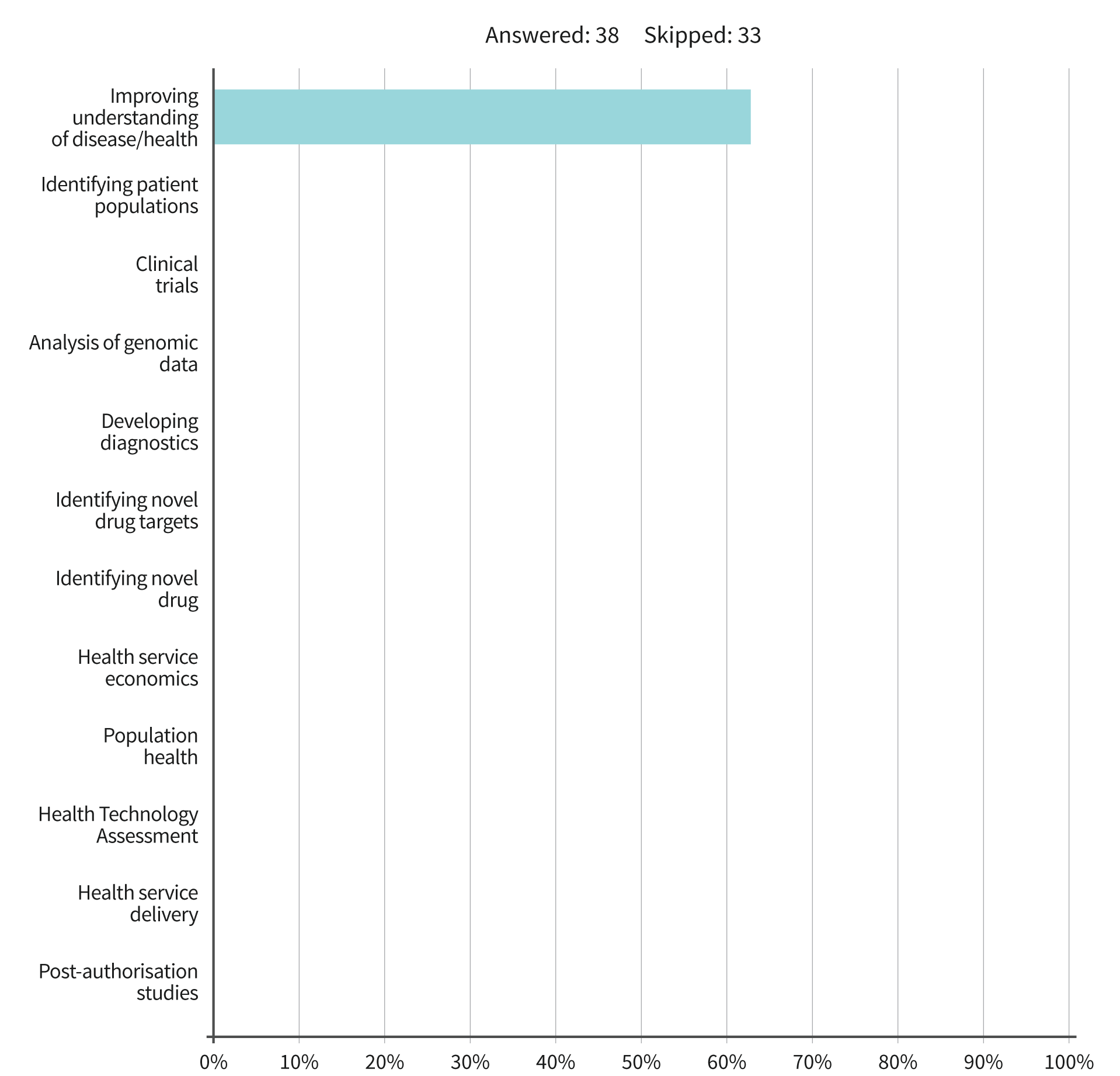
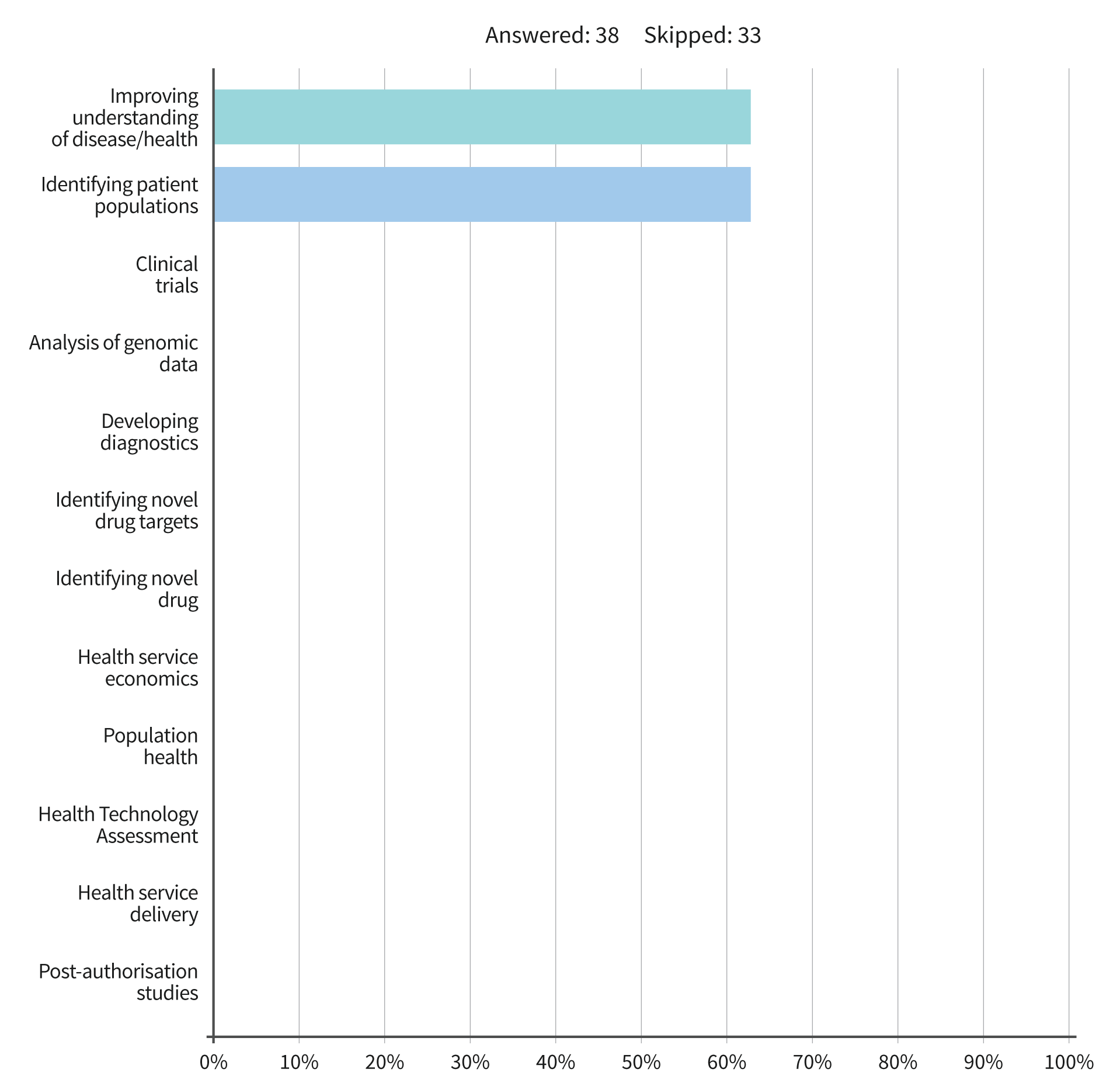
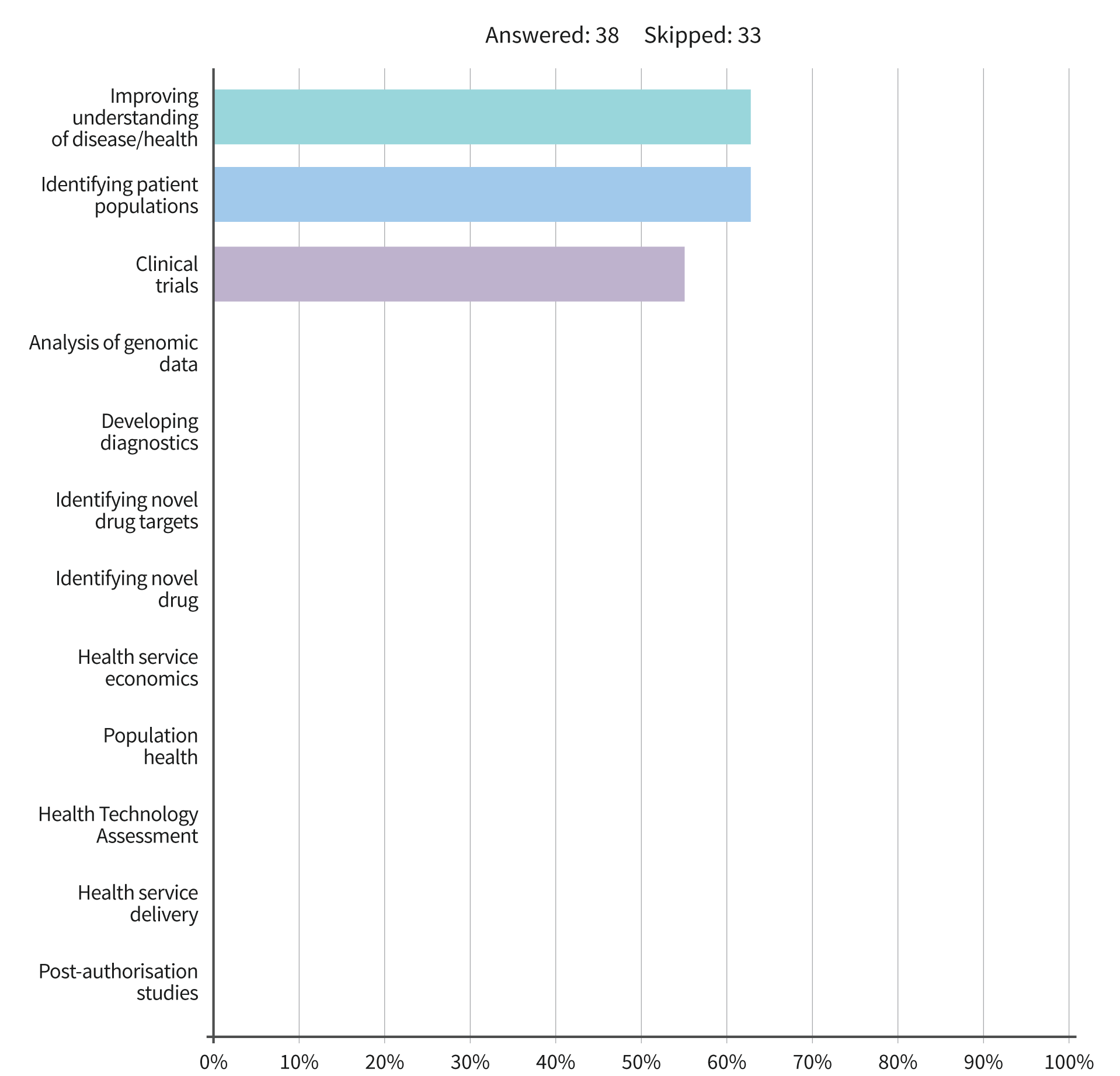
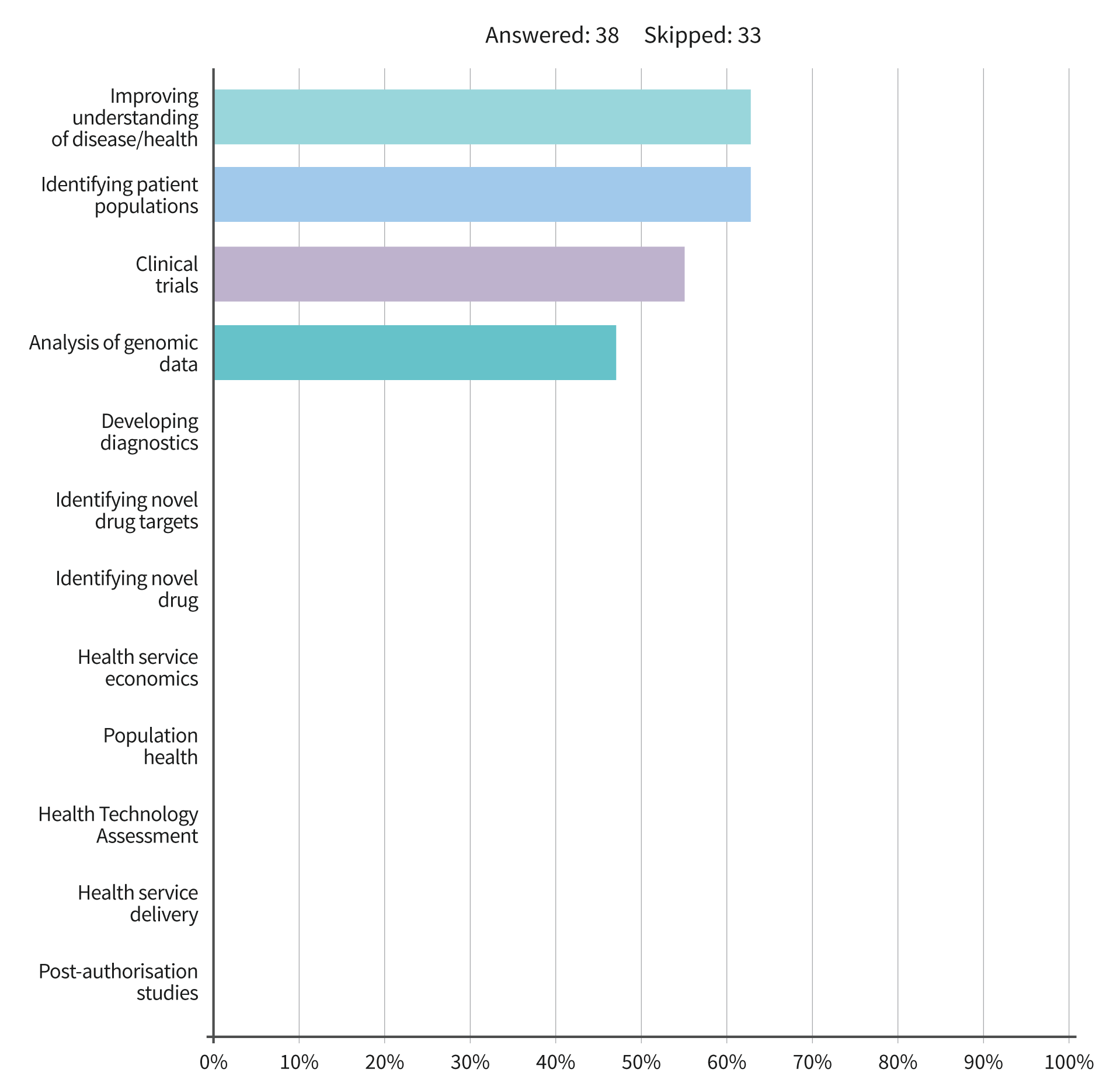
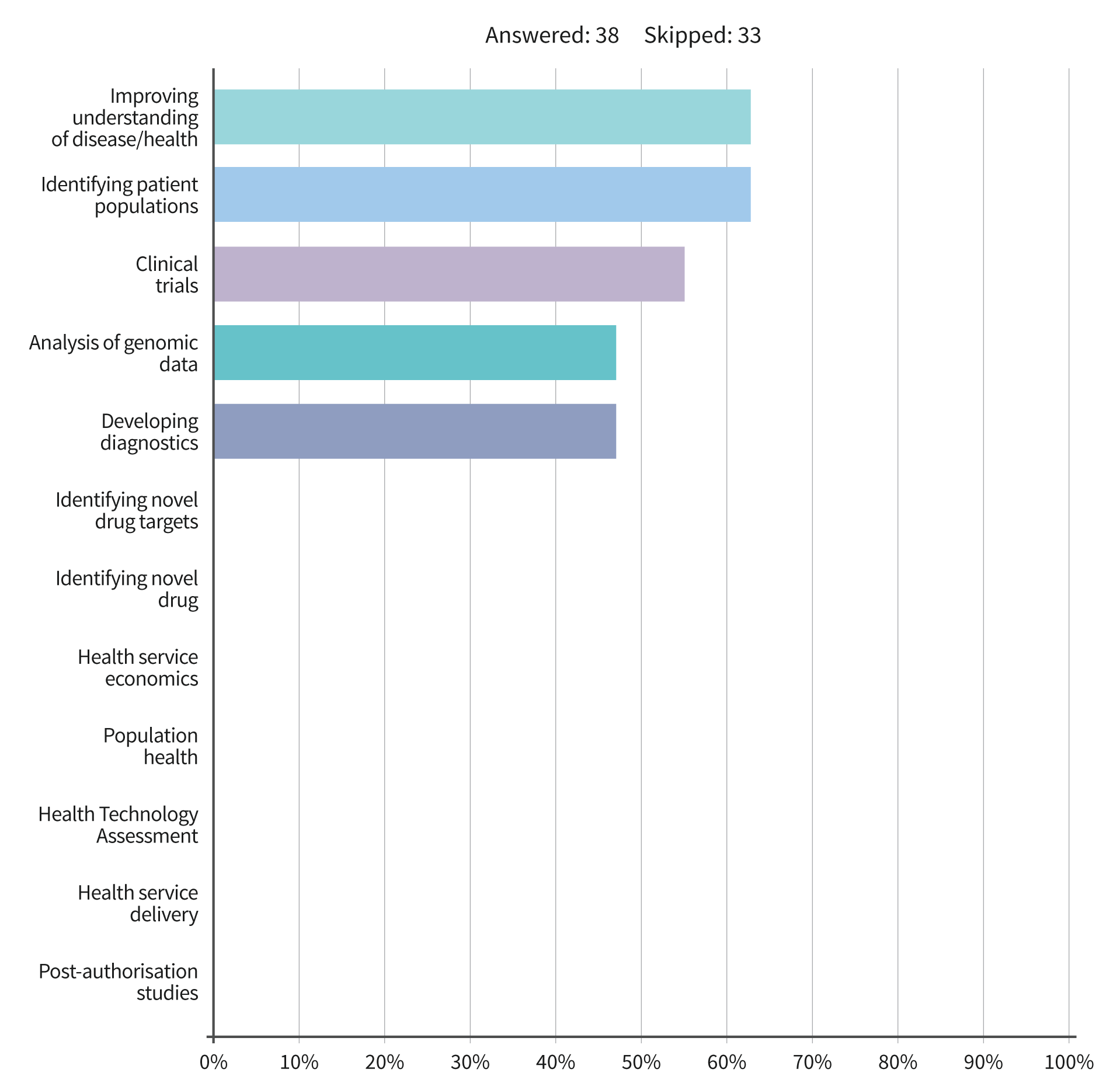
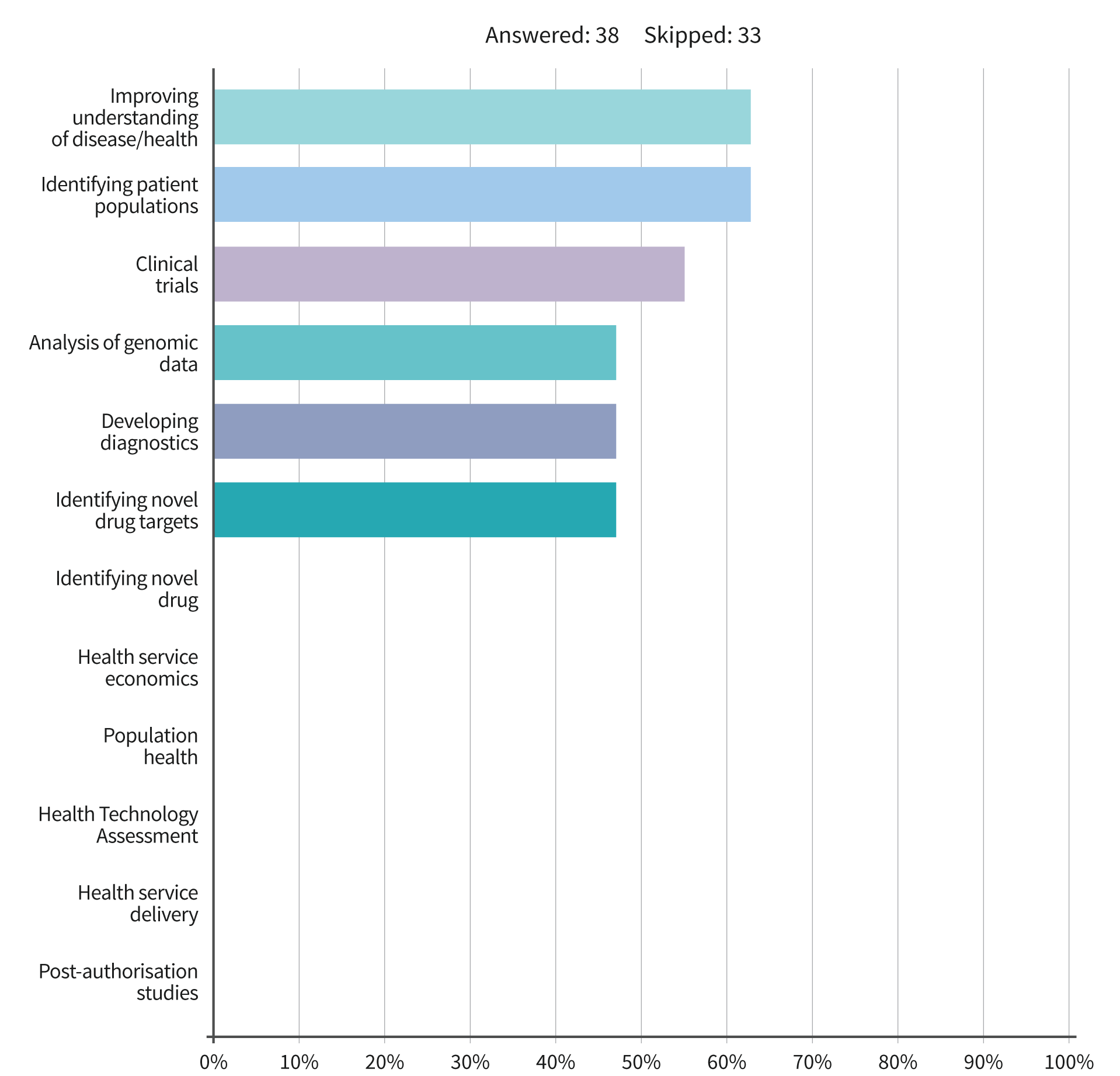
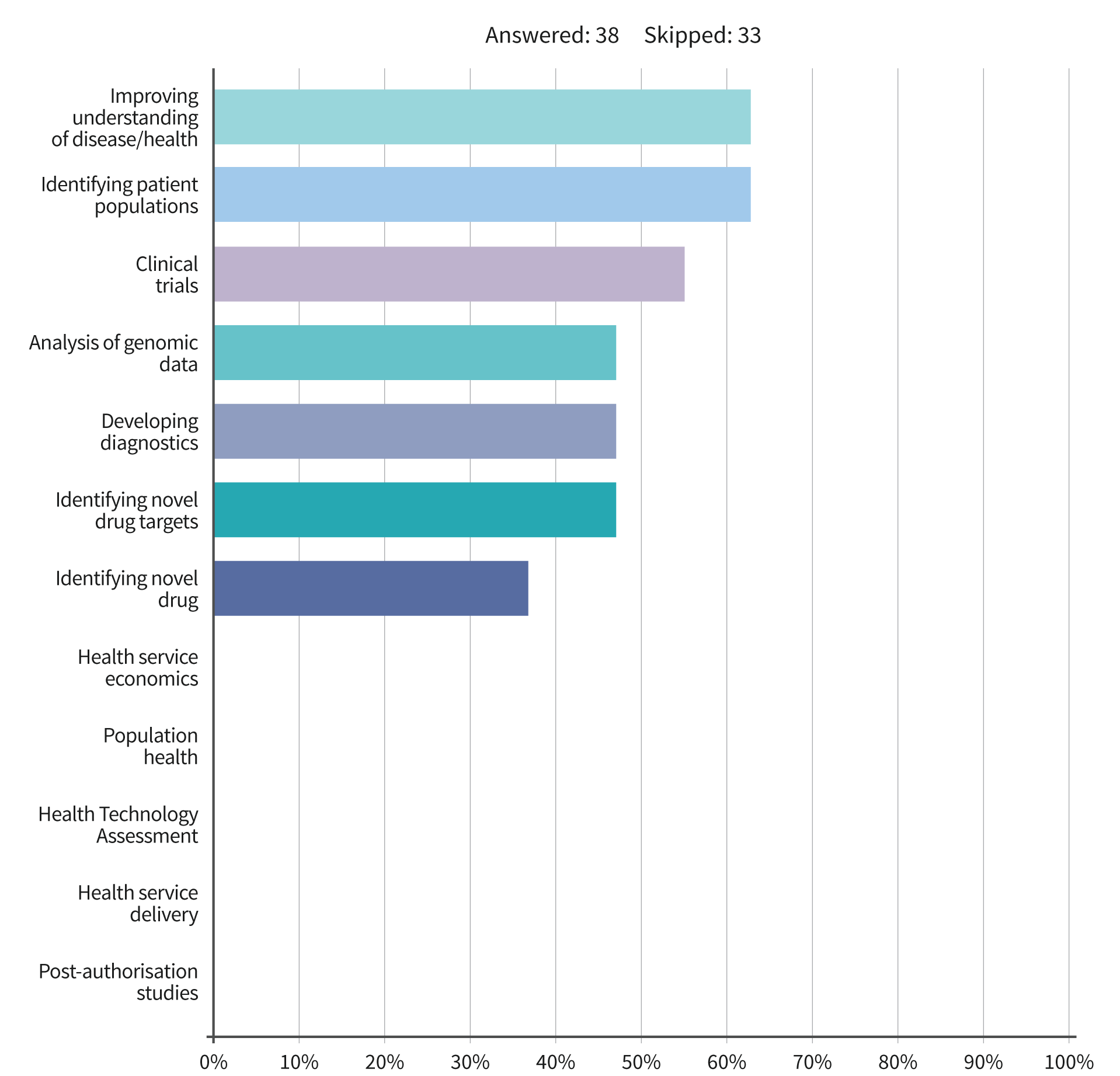
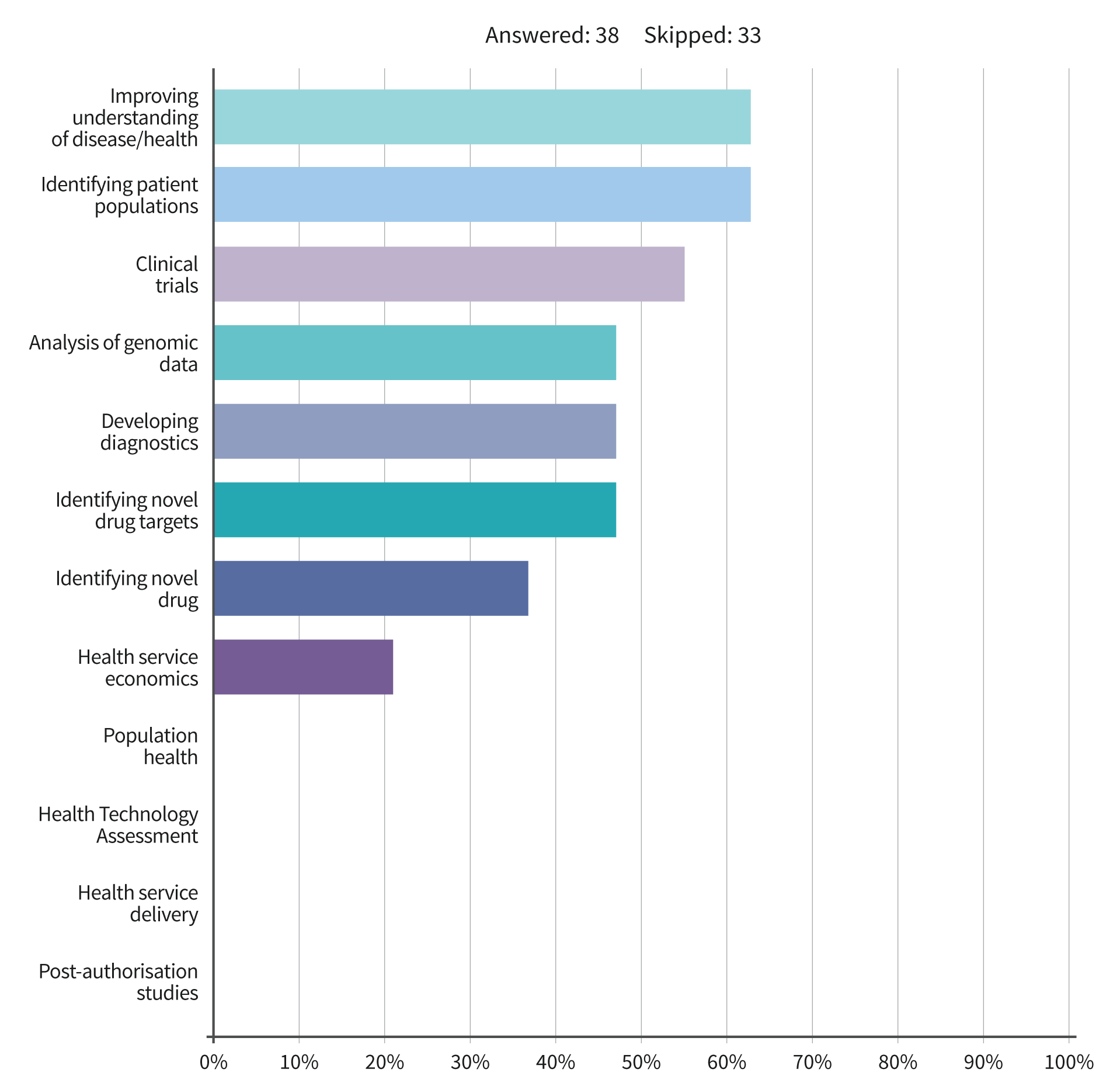
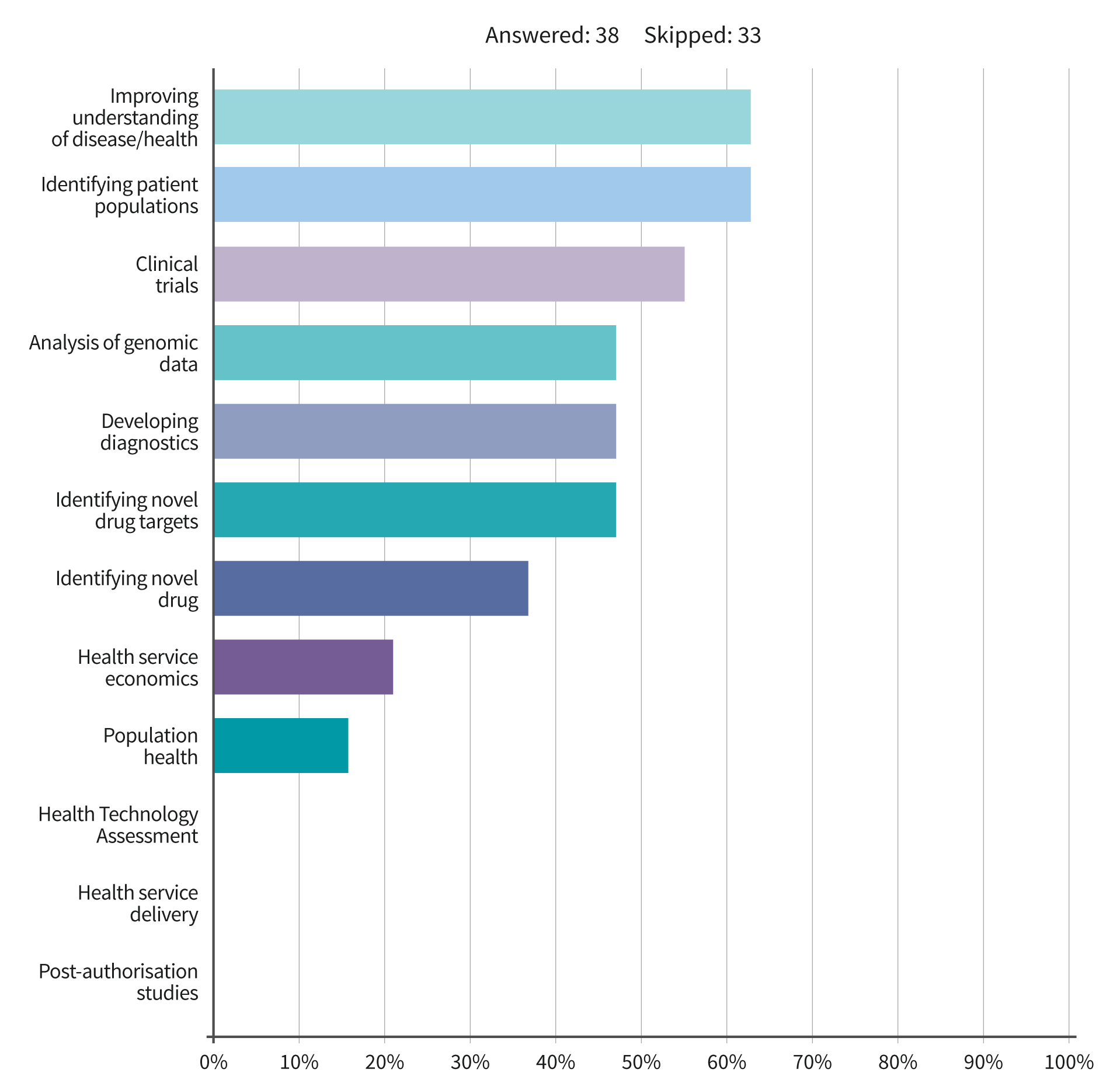
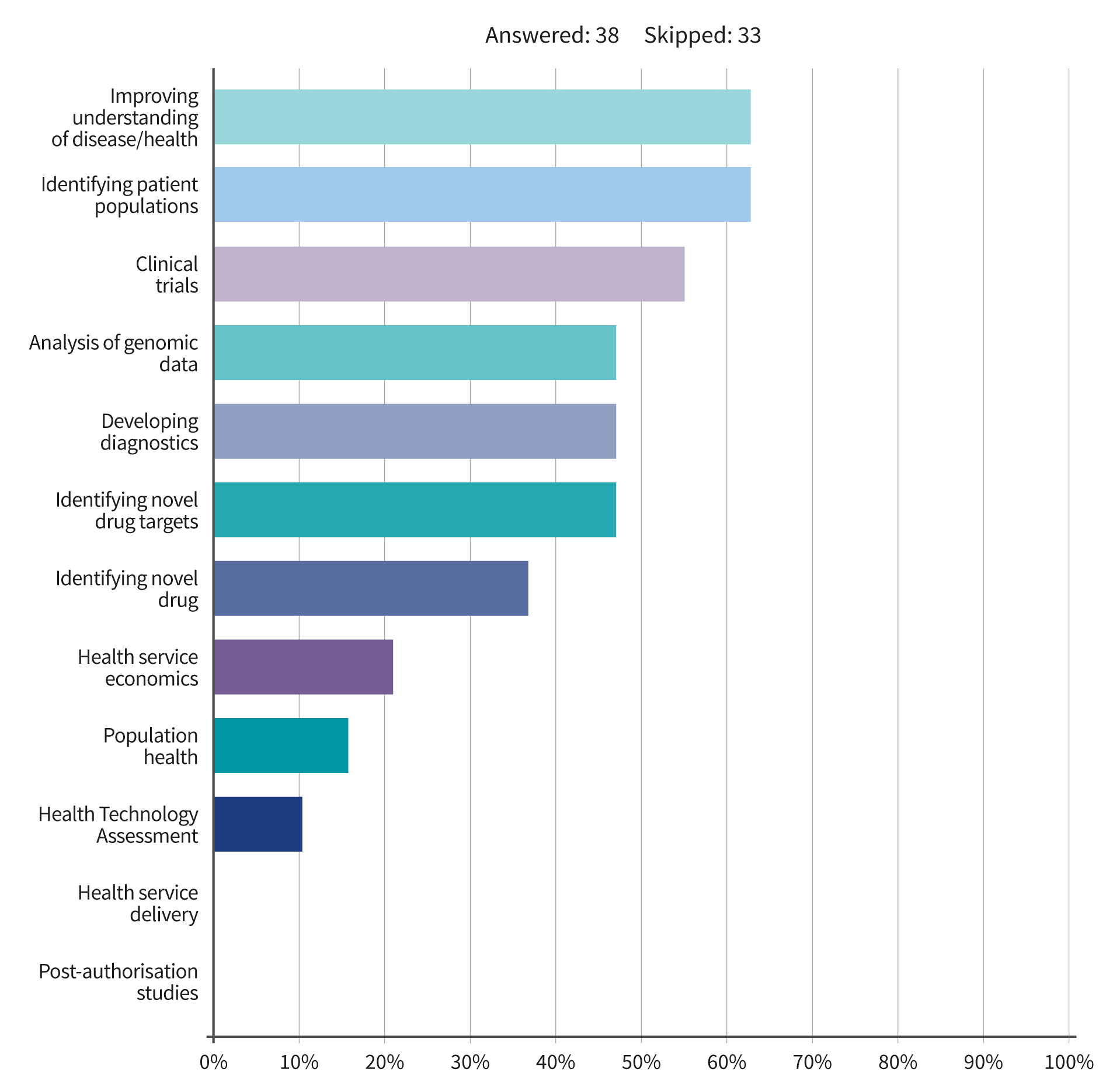
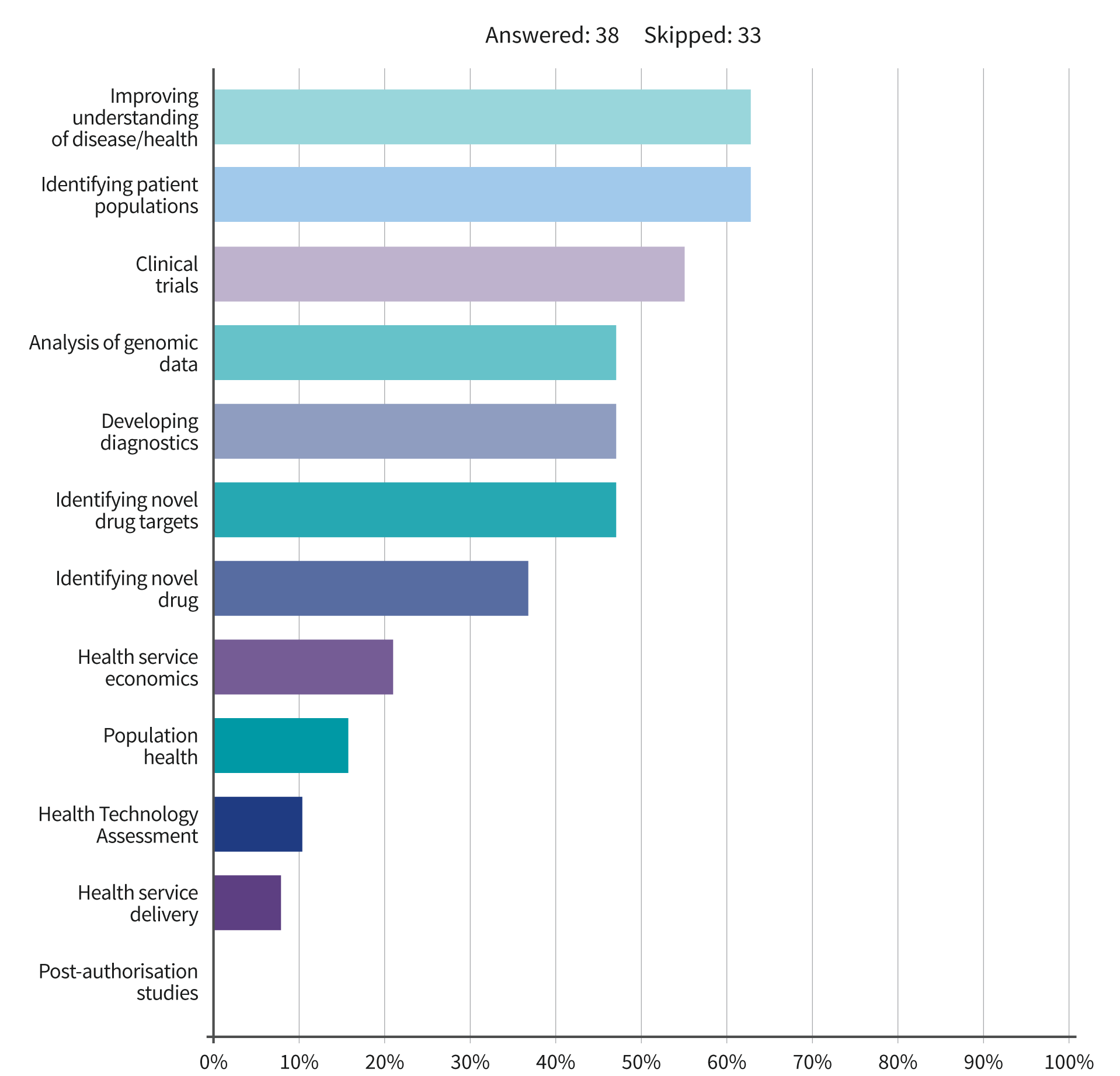
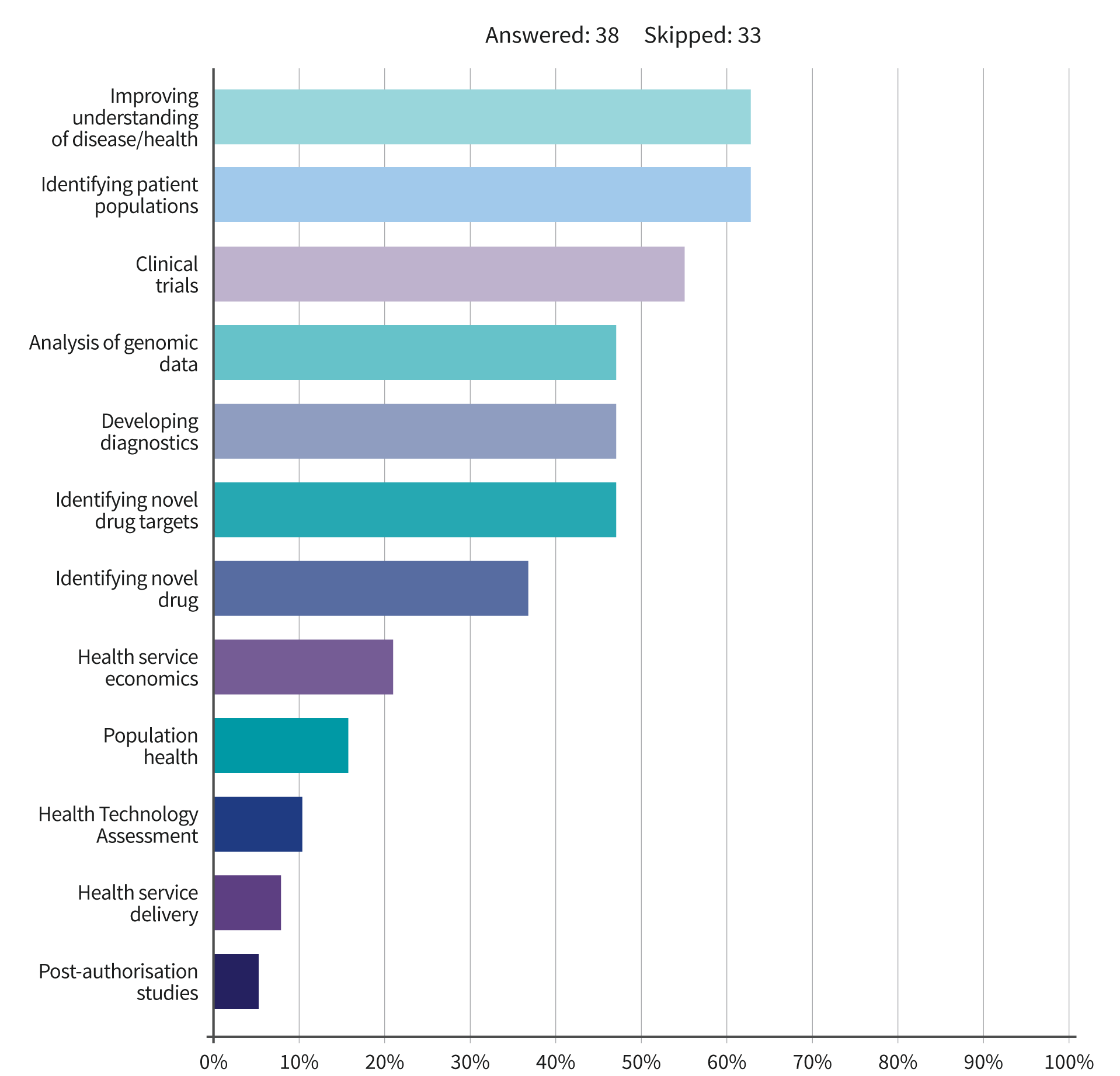
Finally, we asked what R&D companies performed with the health data they access. Our results demonstrate a real breath in use cases, ranging from clinical trials and identification of drug targets through to improving the understanding of disease and identifying patient populations.
Taken together these results show a real breadth of where, what and how life science SMEs interact with the UK’s rich health data assets. A real appetite for accessing NHS data or making use of a central UK custodian shows the potential of facilitating access to these datasets. The BIA have previously published a paper, outlining the industry’s asks for the secure data environments (SDEs) ecosystem. We have also recently launched a committee, which will partly focus on health data access. We look forward to continuing this conversation and working with the NHS and other UK data custodians to improve access to health data for SMEs.
Thinking about the last three years, what R&D has your organisation performed?
BIA comments on the launch of the new Regulatory Innovation Office
The launch of the Regulatory Innovation Office (RIO) marks a significant step forward in the UK’s efforts to foster innovation and accelerate the adoption of new technologies. Artificial intelligence and digital in healthcare will be a key focus of the RIO which will support the safe deployment of these innovations in the NHS. As highlighted by Steve Bates OBE, CEO of the BIA, “Regulation when done right can be an enabler of innovation, not a hindrance.” The RIO’s focus on reducing red tape and streamlining approval processes will create a more favourable environment for businesses to bring innovative products and services to market, ultimately benefiting both the economy and the public.
Methodology:
This study is based on the analysis of data collected from 59 respondents who participated in the BIA Data Access Survey. The survey aimed to assess the accessibility, challenges, and trends in data usage across different company types within the biotech sector.
348 small to medium enterprises in the BIA membership were invited to complete this survey. The data above is representative of the 38* companies who responded and completed the sections on data access. The majority of companies identified themselves as biotech or pharmaceutical companies, but there were a number of companies who identified as TechBio, digital health, diagnostics and medical device companies.
 BIA and TechBio
BIA impact: Championing TechBio innovation in the UK
The BIA is committed to fostering a thriving TechBio ecosystem in the UK. A significant step towards this goal was the launch of our inaugural Data, AI and Genomics Advisory Committee in September 2024.
This committee brings together leading figures from academia, industry, and government to address critical issues impacting TechBio development. By amplifying the voice of cutting-edge technologies in the life sciences, the committee will play a pivotal role in shaping policy and driving innovation.
Key focus areas:
- Data access: The committee will advocate for policies that improve access to high-quality health data, a vital resource for AI-powered drug discovery and personalised medicine advancements.
- Artificial Intelligence: The committee will advocate for responsible regulation of AI that fosters innovation in the life sciences.
- Multi-omics: The committee will champion functional genomics, which is the integration of data from multiple biological analyses (genomics, transcriptomics, proteomics, etc.) to unlock a deeper understanding of disease and accelerate development of targeted therapies.
- Precision medicine: The committee will champion advancements in precision medicine, which tailors medical treatments to individual patient profiles.
This initiative builds upon the BIA’s ongoing efforts to:
- Showcase the transformative potential of genomics within healthcare.
- Advocate for improved data access policies that empower TechBio companies.
- NHS (HDR)
- Support innovation in AI for life sciences applications.
The committee’s collaborative approach will foster knowledge sharing and collaboration between stakeholders, ultimately propelling the UK’s position as a global leader in TechBio innovation.
Welcoming new members
The inaugural meeting welcomed representatives from leading TechBio companies such as Jiva.ai, CardiaTec, and Isomorphic Labs. Their expertise will be instrumental in guiding the committee’s future endeavours.
Looking ahead
The Data, AI and Genomics Advisory Committee represents a significant step forward for the BIA’s commitment to TechBio development. The committee’s programme of work will be developed over the coming year, and we look forward to sharing their progress in future reports. Contact Dr Emma Lawrence to find out more.
Closing the skills gap: #BIGIMPACT campaign update
The BIA’s TechBio community continues to witness a surging demand for professionals with expertise in Artificial Intelligence/Machine Learning (AI/ML) and data analytics applied to life sciences. To address this critical need, the #BIGIMPACT campaign continues to gain momentum, successfully attracting talent with these skillsets to the biotech industry.
BIGIMPACT’s ongoing impact
- Inspiring new careers: The campaign website, www.bigimpact.org.uk, remains a valuable resource for graduates and professionals seeking careers in biotech. It provides comprehensive information on diverse career paths, including AI engineers, bioinformaticians, and data analysts.
- Showcasing impactful roles: Employee spotlights offer real-life perspectives on career journeys within the industry, highlighting the potential for meaningful contributions through AI/ML and data analytics expertise.
- Engaging a wider audience: The campaign has expanded its reach through new social media channels like Instagram and TikTok. Collaborations with influencers are attracting talent who may not have previously considered applying their skills to the biotech sector.
- Gaining traction: #BIGIMPACT has garnered significant interest from media outlets and policymakers, further amplifying its reach and impact.
- Going beyond: Building on the #BIGIMPACT campaign, the Digital Industrial Placement pilot programme provided students pursuing degrees in data science, computer science, informatics, mathematics and programming with the opportunity to gain work experience at a biotech company during the summer of 2024. These placements offered students firsthand insight into working in life sciences discovery and innovation, with durations ranging from a few months to a full year. If you would like to get involved, please contact Netty England.
Looking ahead
The BIA is committed to the continued success of the #BIGIMPACT campaign, as part of our mission to drive innovation and be a catalyst for the industry’s growth. Through continued outreach and engagement efforts, we aim to bridge the talent gap within the TechBio sector and empower individuals to leverage their skills to contribute to breakthrough innovations in healthcare.
Join the #BIGIMPACT Campaign
Whether you represent a university, the media, or the biotech industry, or are simply looking to learn more, discover how your organisation can contribute to shaping the future of biotech innovation. Explore our media pack for assets to share across your social media channels and website to promote the #BIGIMPACT campaign within your network.
By working together, we can inspire, educate, and create opportunities for the next generation of digital talent in the biotech sector.
TechBio Boost: A catalyst for growth
The TechBio Boost programme, a collaborative initiative between the BIA and KQ Labs, aims to foster the growth of London-based TechBio seed and pre-series A companies. Supported by the Mayor of London and funded by the UK Government and London & Partners, this 12-week programme offers tailored mentoring, networking opportunities, and practical business skills development.
Key highlights of TechBio Boost
- Networking opportunities: The programme brings together TechBio entrepreneurs to connect, share experiences, and explore potential collaborations.
- Expert mentorship: Participants benefit from guidance from experienced mentors in the TechBio industry, providing invaluable insights and advice.
- Practical business skills development: The programme covers essential topics such as fundraising, business strategy, international commercialisation and building a Board.
- Tailored support: TechBio Boost is specifically designed to address the unique needs of scaling TechBio companies.
- Demo Day: Opportunity for companies to pitch to investors, pharma partnering execs and other collaborators.
Inaugural programme
The inaugural TechBio Boost cohort kicked off in September 2024, bringing together over 30 scaling UK TechBio companies for a 12-week programme.
Looking ahead
TechBio Boost continues to be a valuable resource for scaling TechBio companies in London. The programme’s focus on mentorship, networking, and sector-leading expertise positions it as a catalyst for future growth and community development in the UK’s thriving TechBio ecosystem.
 Join the BIA TechBio network
BIA’s TechBio UK and TechBioX events bring the community together — from start-ups and investors to established TechBio companies, big pharma, policymakers, and relevant supporting organisations.
If you’re a TechBio company looking for your tribe, or a biotech, pharma or investor looking to tap into the potential, come along to our events, join the BIA TechBio LinkedIn Group, and get in touch about becoming a member.
 Previous reports
TechBio 2023: UK driving the AI revolution
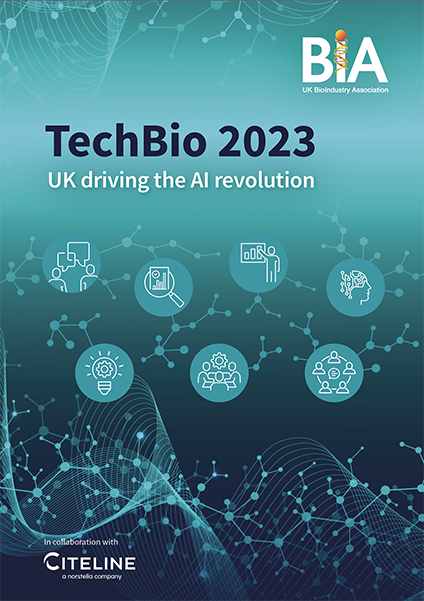 The TechBio report offers key insights into how the UK is leading the charge in integrating AI and biotechnology to revolutionise healthcare, drug discovery, and life sciences innovation. This report provides a deep dive into the current trends, opportunities, and challenges facing the TechBio sector, highlighting groundbreaking companies, like Brainomix, CardiaTec, and Serna Bio; emerging technologies, and the UK’s unique ecosystem fostering this growth.
The report also details the BIA’s efforts to address critical challenges such as access to health data for SMEs, nurturing digital talent, securing sustainable investment for scaling companies, and advocating for proportionate regulatory frameworks.
Explore the latest advancements in data sharing, inspiring case studies, and the future of TechBio. Read the TechBio 2023 report.
TechBio 2.0: Unlocking Data, Transforming Biology
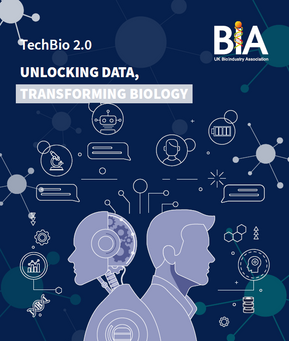 Showcasing the next generation of data-driven life science companies that use cutting-edge technologies to transform drug discovery and patient care.
TechBio companies combine cutting-edge techniques from both sectors to draw insights from a wealth of data, including data concerning patients, drug molecules, healthcare infrastructure and research and development. This data is not only being used to inform and transform drug discovery and patient care but, also addressing challenges faced by industry and agriculture, such as creating cleaner and greener chemicals and materials.
Read the TechBio 2.0 report for developments in data sharing, inspiring case studies and the future of techbio!
TechBio: How data-driven life sciences companies are transforming drug discovery and patient care
 This explainer booklet gives an introduction to the exciting BIA member companies that are working at the interface of biotechnology and technology, and shows how they are already making an impact on drug discovery and patient care. Data-driven life sciences technology or tech bio is an area where the BIA is rapidly building its expertise and we will be working hard to bring together all elements of the biotechnology landscape to ensure that these companies have the right policy framework and the investment that they need to grow and succeed.
Please download the full TechBio report for case studies of incredible companies working at the interface of biotechnology and technology.